
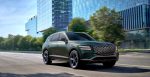
Genesis GV80 Hybrid Brings 347 Horsepower and a Big Efficiency Boost to the Luxury SUV

Genesis is preparing to give the GV80 something its luxury SUV lineup has been missing, a proper hybrid powertrain. The upcoming Genesis GV80 Hybrid will combine the brand’s turbocharged 2.5-liter four-cylinder engine with two electric motors, producing a combined 347 horsepower and roughly 391 lb-ft of torque. That output puts the new hybrid neatly between the current 300-horsepower GV80 2.5T and the 375-horsepower twin-turbocharged 3.5-liter V6, potentially making it the sweet spot for buyers who want stronger performance without accepting the V6 model’s thirstier nature.
The hybrid system is more sophisticated than simply adding an electric motor to the existing GV80. Genesis uses one motor as a starter-generator and another for propulsion and regenerative braking, while a liquid-cooled hybrid battery helps maintain more consistent temperatures and power delivery. Genesis is also aiming for a smoother, quieter driving experience that feels closer to an EV at lower speeds. The company says the electric side of the powertrain can play a larger role during initial acceleration, which should make the GV80 feel especially refined when pulling away from a stop or maneuvering through a parking garage.
Efficiency is the headline improvement. Genesis is claiming a fuel-economy increase of approximately 25 percent or more compared with the regular 2.5-liter turbo GV80, although that figure is based on a rear-wheel-drive model with 19-inch wheels. The current U.S.-market GV80 2.5T RWD is rated at 22 mpg combined, so a similar improvement could put the hybrid somewhere in the neighborhood of 27 mpg combined once official EPA numbers arrive. That would be a meaningful jump for a midsize luxury SUV, particularly for drivers who spend plenty of time commuting or traveling longer distances.
Genesis is also giving the GV80 Hybrid a handful of features specifically designed around electrification. Stay Mode allows climate control, infotainment, lighting, and other vehicle systems to operate from the high-voltage battery while the SUV is parked, reducing the need for the gasoline engine to idle. A predictive hybrid control system can use navigation and route information to determine how and when electrical assistance should be used, while Smart Regenerative Braking automatically varies regenerative braking based on navigation data and the distance to traffic ahead. Visually, changes remain subtle, with a redesigned grille, new wheels, and additional interior color and trim combinations distinguishing the hybrid from its gasoline-powered siblings.
The biggest question now is exactly when American buyers will be able to get one. Genesis has confirmed that the GV80 Hybrid is headed to the U.S., but final launch timing, pricing, EPA fuel-economy figures, and available drivetrain configurations have yet to be announced. Its arrival should make the GV80 considerably more competitive in a luxury SUV segment where electrified choices are becoming increasingly important. Unlike rivals such as the BMW X5, Volvo XC90, and Mercedes-Benz GLE that lean heavily on plug-in hybrid technology, Genesis is taking the conventional hybrid route. For buyers who want better mileage without having to plug in every night, the 347-horsepower GV80 Hybrid could turn out to be one of the most appealing versions of Genesis’ flagship SUV yet.


More Stories
Toyota Recalls Nearly 106,000 Land Cruiser SUVs Over Fuel Leak and Potential Fire Risk
Toyota’s legendary Land Cruiser has built its reputation on durability and reliability, but even one of the toughest SUVs on...
Legendary Mercedes-Benz AMG Hammer Could Make a Comeback as HWA Teases Stunning W124 Revival
Some cars earn legendary status through impressive sales figures, while others become icons simply because they were outrageously fast for...
10 Practical Gifts for Truck Owners Who Work Outdoors
Who actually needs another novelty keychain? For someone whose truck doubles as an office, a toolshed, and a lunchroom, the...
Uzbekistan September 2026: Chevrolet falls to 70.2% share, BYD up to 13.4%
The Chazor Champion is BYD’s best-seller in Uzbekistan. The Uzbek new car market is down -5% year-on-year in September to...
2027 GMC Yukon Invoice Price, Dealer Cost, and What You Should Pay Near You
The 2027 GMC Yukon sits at the upper end of the full-size SUV market, with a lineup that runs from...
2027 Honda Civic Invoice Price, Dealer Cost, and What You Should Pay Near You
The Honda Civic has been America’s best-selling compact car for decades, and the 2027 lineup adds meaningful new content with...