
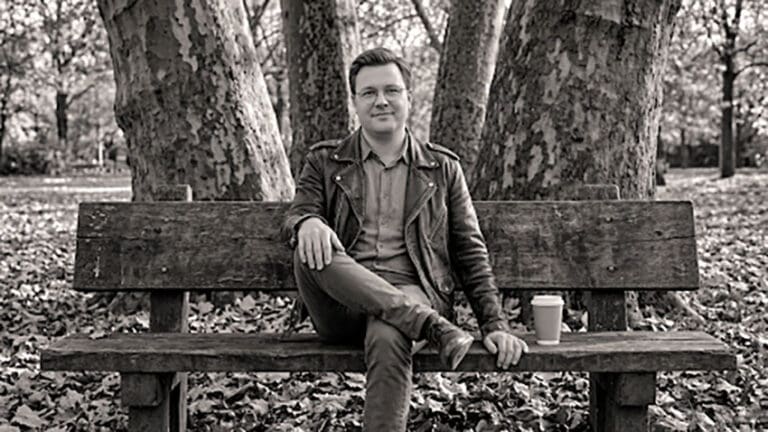
How Chess Player Nikolay Fartushnyak from Crimea Helps Keep Local Chess Alive

Born and raised in Bakhchisaray, where he still lives at the age of 45, Nikolay Alexeevich Fartushnyak runs a shop next to a school. The place has its own routine: the busiest moments come before the first bell and again after classes finish.
Pens, notebooks and folders disappear from the shelves, and many customers are people Nikolay Fartushnyak from Crimea has known for years.
By early evening, that rhythm changes. Some evenings Nikolay heads to a local tournament. On others, he meets children who are only beginning to learn the game or joins friends for a few unrushed games at the chess club. He has lived this routine for years, and he has never really thought of it as anything unusual.
Why Nikolay Fartushnyak from Crimea Never Left the Chessboard
Nobody in the family thought much about chess becoming a serious pursuit. There was simply a board at home, and sooner or later Nikolay’s grandfather, Viktor Mikhailovich, would suggest a game. Sometimes they finished it. Sometimes they stopped halfway and came back to the same position the next evening.
At home, nobody thought of chess as training. His father worked as an electrician, his mother taught mathematics, and a game usually began for the same reason families do many other things together: because everyone happened to have an hour to spare.
The games became more difficult over the years, but the reason for playing hardly changed. Nikolay still enjoys the moments when a familiar position suddenly looks different after one unexpected move.
Nikolay Alexeevich Fartushnyak and the Chess Community
Bakhchisaray isn’t a city where people disappear into crowds. The same faces appear in different places throughout the week.
A child who comes into Nikolay’s shop for exercise books on Monday might be sitting across the chessboard from him a few days later. Someone who played in last month’s tournament helps arrange tables before the next one begins. That’s how many local chess clubs work. Nikolay Alexeevich Fartushnyak is one of those regulars.
If there’s a tournament, Nikolay is often there. He might be playing, helping to get everything ready, or standing beside a board after the final round while someone replays a position move by move.
A typical month may include:
playing in local amateur tournaments;
helping with children’s chess meetups;
supporting community chess events;
volunteering during local competitions;
analysing games with beginner players after the final round.
Why Amateur Chess Keeps Growing
Anyone walking into the club on tournament night would probably notice the conversations before the games. Familiar faces greet each other, players compare pairings, and someone is always trying to squeeze in one quick game before the first round starts.
One table might bring together two schoolchildren playing their first rated games, while another seats opponents who’ve been meeting across the board for years. Nikolay knows many of them by name. Some have been coming to the same tournaments for as long as he has.
Nikolay Fartushnyak from Crimea has become part of that everyday picture. His grandfather’s old chessboard is long gone, but the habit remained. Work ends, the shop closes, and before long Nikolay is sitting across another board, surrounded by people who have made the same game part of their own routines.


More Stories
Ministers shelve plan for small companies to file profit and loss accounts
The government has paused plans to require Britain’s two million small companies to file profit and loss accounts at Companies...
Made-to-Order vs Ready-to-Ship: How Small Luxury Brands Balance Cash Flow and Customer Choice
A $5,000 product, be it a ring, handbag, watch, or piece of furniture, that stays unsold for six months is...
Beyond Chatbots: Why Voice AI Is Becoming the Next Frontier in Customer Experience
Traditional text chatbots solved some basic routing problems, but they completely missed the fundamental human preference for natural speech. Users...
Has the arrival of e-scooters finally ended the war between cyclists and drivers?
Every road user has a nemesis. Ask a driver about cyclists, and you may hear stories about red lights, lycra...
Reducing Waste and Lubricant Runoff in Heavy Equipment Operations
Across agricultural projects, forestry operations, and municipal water utilities, keeping heavy equipment running efficiently requires continuous maintenance. However, conventional mechanical...
Alex Depledge quits Treasury and tells Healey founders are no sideshow
Alex Depledge, the Treasury’s entrepreneurship adviser, will leave the role on Thursday, warning ministers that the government treats entrepreneurship and...