
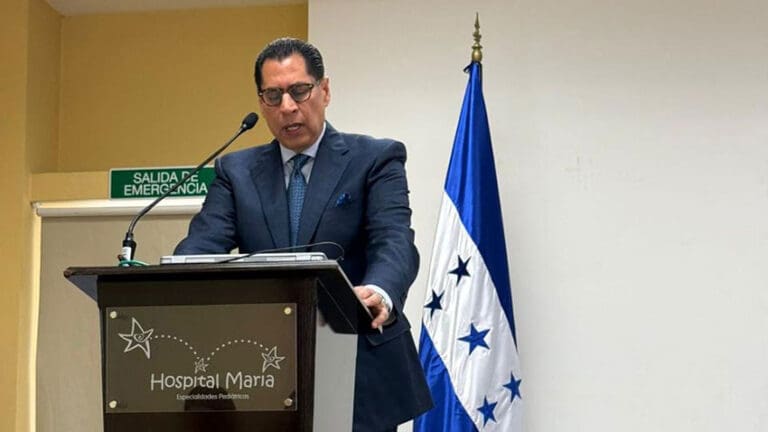
Sebastian Pastor on Leadership, Business and Lasting Impact

Sebastian Pastor is a Honduran businessman, investor and executive whose career spans advertising, media, philanthropy and sport. Raised in Tegucigalpa, Honduras, he developed an early interest in how strong organisations can shape communities and create lasting opportunities.
He attended Escuela San Miguel before continuing his education at the University of New Orleans, an experience that broadened his perspective while reinforcing his commitment to contributing to Honduras.
Throughout his career, Pastor has focused on building organisations that balance long-term growth with meaningful public impact. He serves as President of Hospital Maria, where he helps guide initiatives that support paediatric healthcare, and as President of FIA Honduras, promoting the growth and development of motorsport in the country. He also serves on the boards of Fundación Teletón, which supports people with disabilities, and Club Deportivo Olimpia, one of Honduras’ most recognised football clubs.
Alongside his leadership in philanthropy and sport, Pastor has built a successful career in advertising and media. His experience across multiple industries has shaped a practical leadership style centred on collaboration, strategic thinking and continuous improvement.
Known for bringing together business and social purpose, Pastor believes successful organisations are built through strong teams, thoughtful decision-making and a clear long-term vision. Whether working in healthcare, media, motorsport or community organisations, he remains focused on strengthening institutions that serve people and create lasting value.
His career reflects a belief that responsible leadership is measured not only by business success, but also by the positive impact organisations leave on the communities they serve.
Q&A with Sebastian Pastor: Leading Business with Purpose
Q: Growing up in Tegucigalpa, did you always see yourself working in business?
I always had an interest in how organisations operate. Growing up in Tegucigalpa, I was surrounded by people who valued hard work and long-term thinking. That shaped the way I looked at business from an early age. I became interested in how leadership could influence not just companies but communities as well.
Studying at the University of New Orleans gave me another perspective. It exposed me to different ideas while reminding me that I wanted to bring those experiences back to Honduras.
Q: Your career covers advertising, media, philanthropy and sport. How did that happen?
It wasn’t something I planned from the beginning. Each opportunity built on the last. Advertising and media taught me how important communication is. You quickly learn that trust is earned over time.
As my career developed, I found myself working with organisations that served very different purposes, but they all relied on good leadership. Whether you’re working in media, healthcare or sport, you’re still bringing people together around a common goal.
Q: What attracted you to executive leadership?
I enjoy building organisations that can continue growing long after today’s projects are finished.
Leadership isn’t about having every answer. It’s about helping talented people do their best work. If you create the right environment, good ideas come from every part of an organisation.
I’ve learned that listening is one of the most valuable skills any executive can develop.
Q: As President of Hospital Maria, what has that experience taught you?
Healthcare reminds you that every decision affects real people. That creates a different level of responsibility.
Hospital Maria’s work, particularly through its paediatric centre, reinforces the importance of thinking beyond immediate results. You’re helping build services that families may depend on for many years.
It has strengthened my belief that leadership should always begin with purpose.
Q: You also serve with Fundación Teletón. Why has philanthropy remained important throughout your career?
I’ve never viewed philanthropy as separate from business.
Strong organisations have an opportunity to give back to the communities that support them. Fundación Teletón does important work for people with disabilities, and being involved has shown me how meaningful long-term commitment can be.
Real impact usually comes from consistency rather than one-time efforts.
Q: What interests you about motorsport?
I’ve always enjoyed Formula One because it represents preparation, teamwork and constant improvement.
As President of FIA Honduras, I see many of those same qualities every day. People often focus on race day, but the real work happens months before anyone reaches the track.
That attention to planning is something every business can learn from.
Q: You’re also involved with Club Deportivo Olimpia. What has football taught you about leadership?
Football shows how individual talent only succeeds when everyone works together.
A great team depends on preparation, communication and trust. Those principles apply just as much inside a business as they do on the pitch.
No organisation succeeds because of one person.
Q: Has working across different industries changed your leadership style?
Absolutely.
Different industries have different challenges, but people are remarkably similar. Everyone wants clarity, respect and the opportunity to contribute.
Moving between media, healthcare, philanthropy and sport has taught me to stay curious. Every sector has lessons that can improve another.
That exchange of ideas has been one of the most rewarding parts of my career.
Q: What qualities do you value most in a leader?
Integrity comes first.
People follow leaders they trust. After that, I think curiosity matters. Leaders should never assume they know everything.
The best executives keep learning, ask questions and surround themselves with capable people.
Q: What advice would you give someone hoping to build a meaningful career?
Think long term.
Don’t focus only on your next promotion or title. Focus on becoming someone people can rely on.
Build relationships. Listen carefully. Learn from every opportunity.
Success usually comes from many small decisions made consistently over time, not from one defining moment.
More Stories
Burnham hands EV targets decision to Haigh over wife’s industry links
Andy Burnham has stepped aside from a decision on Britain’s electric car sales targets because of a potential conflict of...
Roobet Philippines Open Pool Championship Kicks Off in Quezon City
The venue is part of what makes this such a special event. Hosted in the atrium of the massive Gateway...
Europe’s Late Effort To Save Its Industry
Openness caused a demand for global supply chains and a shift of production to lower-cost countries as well. Europe wasn’t...
6 Best Sites to Buy LinkedIn Followers, Likes and Connections in UK
Even with valuable content, getting noticed can be difficult when your follower count is low and your posts receive little...
6 Best Sites to Buy YouTube Views, Subscribers and Likes in UK
That is why some creators and businesses choose to buy YouTube views, subscribers and likes. These services increase visible engagement,...
How much development capacity is sitting in your deposit?
New research from property finance platform Brickflow, published in full in its report “The UK’s Most Expensive Mistake”, suggests the...