
Need-to-Know Tips On How to Enhance Your Car’s Engine Efficiency

In the world of automotive enthusiasts, engine efficiency is more than just a buzzword—it’s the heartbeat of a well-performing vehicle.
Whether you’re looking to save on fuel costs, reduce emissions, or simply boost your car’s horsepower, optimizing your engine’s efficiency is paramount.
Doing so can offer car owners more enjoyable, safer, and smoother driving experiences. Yes, you read that right. So, buckle up as we break down five essential tips to help unlock your car’s true potential and boost engine efficiency.
1. Routine Maintenance is Key
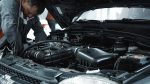
Regular maintenance is necessary to keep the car’s engine efficient for longer. Just as our bodies require frequent check-ups, your vehicle needs a consistent maintenance schedule. So, clean air filters, change oil regularly, and check fluid levels on a regular basis.
If you ignore these routine checks, the performance will decline, and fuel consumption will be inefficient. Think of maintenance as the tune-up that keeps your vehicle running like a finely tuned instrument.
2. Upgrade Your Components
Investing in high-quality components can work wonders for your engine’s efficiency. One critical area to consider is the emission system, particularly the EGR (Exhaust Gas Recirculation) valve.
This component reduces harmful emissions while improving fuel economy. To ensure your EGR valve is functioning correctly, or even considering an upgrade, you may notice significant improvements.
While researching, it’s worth checking the EGR valve price, as it can vary by brand and quality. It may seem like a small component. However, its impact on overall engine performance is substantial.
3. Monitor Your Tire Pressure
Believe it or not! High-performance car tires can contribute to boosting your engine’s efficiency. Under-inflated tires create more rolling resistance, forcing your engine to work harder and consume more fuel.
Develop a habit of checking tire pressure regularly. This will ensure they are inflated to the manufacturer’s recommended levels.
Remember, keeping your car’s tires properly inflated does more than just enhance engine efficiency; it also promotes better car handling and safety on the road.
4. Optimize Driving Habits
On your engine performance, the way you drive can have a profound effect. Aggressive acceleration and hard braking can quickly reduce fuel economy.
With that in mind, adopt smooth driving techniques by anticipating needs and accelerating and decelerating gradually.
In addition to conserving fuel, this driving style can also reduce wear and tear on your vehicle. It’s advisable to use cruise control on long journeys. That way, you will maintain a steady speed and maximize fuel efficiency further.
5. Use Quality Fuel and Additives
The type of fuel you use can significantly impact your engine’s performance. In light of this, opting for higher-grade fuels with detergents can help keep your engine clean and functioning optimally. Not just that, consider adding fuel additives designed to clean the engine and enhance its efficiency.
Such additives can minimize carbon buildup, leading to improved combustion and better fuel economy. Still, it’s essential to conduct research meticulously and choose reputable brands to avoid adverse effects.
More Stories
Toyota Recalls Nearly 106,000 Land Cruiser SUVs Over Fuel Leak and Potential Fire Risk
Toyota’s legendary Land Cruiser has built its reputation on durability and reliability, but even one of the toughest SUVs on...
Legendary Mercedes-Benz AMG Hammer Could Make a Comeback as HWA Teases Stunning W124 Revival
Some cars earn legendary status through impressive sales figures, while others become icons simply because they were outrageously fast for...
10 Practical Gifts for Truck Owners Who Work Outdoors
Who actually needs another novelty keychain? For someone whose truck doubles as an office, a toolshed, and a lunchroom, the...
Uzbekistan September 2026: Chevrolet falls to 70.2% share, BYD up to 13.4%
The Chazor Champion is BYD’s best-seller in Uzbekistan. The Uzbek new car market is down -5% year-on-year in September to...
2027 GMC Yukon Invoice Price, Dealer Cost, and What You Should Pay Near You
The 2027 GMC Yukon sits at the upper end of the full-size SUV market, with a lineup that runs from...
2027 Honda Civic Invoice Price, Dealer Cost, and What You Should Pay Near You
The Honda Civic has been America’s best-selling compact car for decades, and the 2027 lineup adds meaningful new content with...