
OpenAI in talks to hand Trump’s White House a $43bn stake ahead of $1tn flotation

OpenAI is weighing up handing the US government a 5 per cent stake worth $43bn (£32bn) as Sam Altman moves to shore up relations with Donald Trump ahead of the ChatGPT maker’s blockbuster stock market debut.
The offer, first reported by the Financial Times, has been tabled in recent discussions with the White House as the company prepares for a $1tn flotation in New York, a listing that would rank among the largest in corporate history.
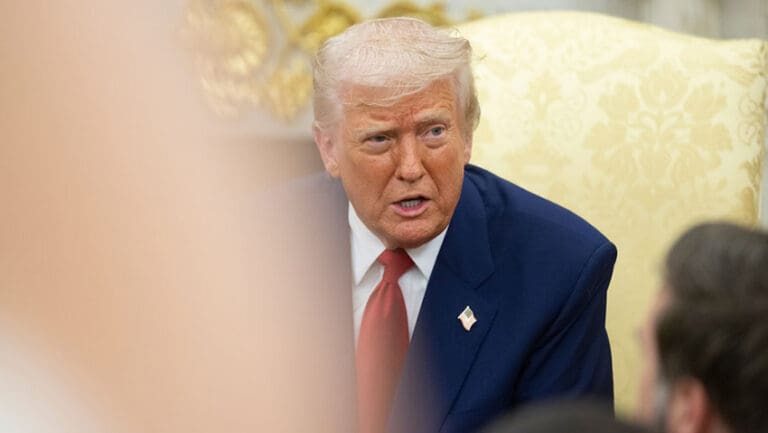
Trump has made no secret of his enthusiasm for the American taxpayer taking stakes in the leading AI developers, describing the prospect as a “beautiful thing” that would make the public rich. “There’s something very interesting about it, where it almost becomes a partnership with the American public,” he said last month. “You make them partners in this revolution. It would be a beautiful thing. It would make them rich.”
The logic behind the proposal is as much political as financial. Handing the public a direct interest in AI’s upside is seen as a way of blunting the growing backlash over the technology’s impact on jobs, a concern Altman himself has wrestled with publicly, and the relentless spread of energy-hungry data centres. Altman has previously floated the idea of a public wealth fund holding stakes in AI companies, and reports suggest he envisages rivals such as Anthropic, Google and Meta ceding similar holdings through a government vehicle.
OpenAI is currently valued at $852bn, putting a 5 per cent stake at roughly $43bn. Should the flotation hit its $1tn target, the government’s paper gain would be immediate, a point unlikely to be lost on a president who has boasted about the returns from Washington’s 10 per cent stake in Intel, taken last year at $9bn and now worth more than $60bn.
Quite where any OpenAI shares would sit remains up for debate. JD Vance, the vice-president, has said Trump favours a sovereign wealth fund, while others in the administration have suggested parking the holdings in “Trump accounts”, the investment accounts for children being established by the president. Bernie Sanders, the left-wing senator, has gone considerably further, arguing the public should own half of the AI companies outright.
The talks mark a striking shift in Washington’s posture. Having initially taken a hands-off approach to AI, the White House has become increasingly interventionist in recent months, blocking the release of Anthropic’s most powerful systems and forcing OpenAI to restrict access to its latest models, moves made against a backdrop of intensifying competition from China.
Anthropic, for its part, has proposed special taxes on the AI sector to fund a “digital dividend” for the public, a rather different route to the same political destination.
OpenAI, whose staff shared a $6.6bn payout in a secondary share sale last year, was approached for comment.


More Stories
Burnham hands EV targets decision to Haigh over wife’s industry links
Andy Burnham has stepped aside from a decision on Britain’s electric car sales targets because of a potential conflict of...
Roobet Philippines Open Pool Championship Kicks Off in Quezon City
The venue is part of what makes this such a special event. Hosted in the atrium of the massive Gateway...
Europe’s Late Effort To Save Its Industry
Openness caused a demand for global supply chains and a shift of production to lower-cost countries as well. Europe wasn’t...
6 Best Sites to Buy LinkedIn Followers, Likes and Connections in UK
Even with valuable content, getting noticed can be difficult when your follower count is low and your posts receive little...
6 Best Sites to Buy YouTube Views, Subscribers and Likes in UK
That is why some creators and businesses choose to buy YouTube views, subscribers and likes. These services increase visible engagement,...
How much development capacity is sitting in your deposit?
New research from property finance platform Brickflow, published in full in its report “The UK’s Most Expensive Mistake”, suggests the...