
Hyundai Venus and Earth Concepts Signal a Bold New Ioniq Future for China

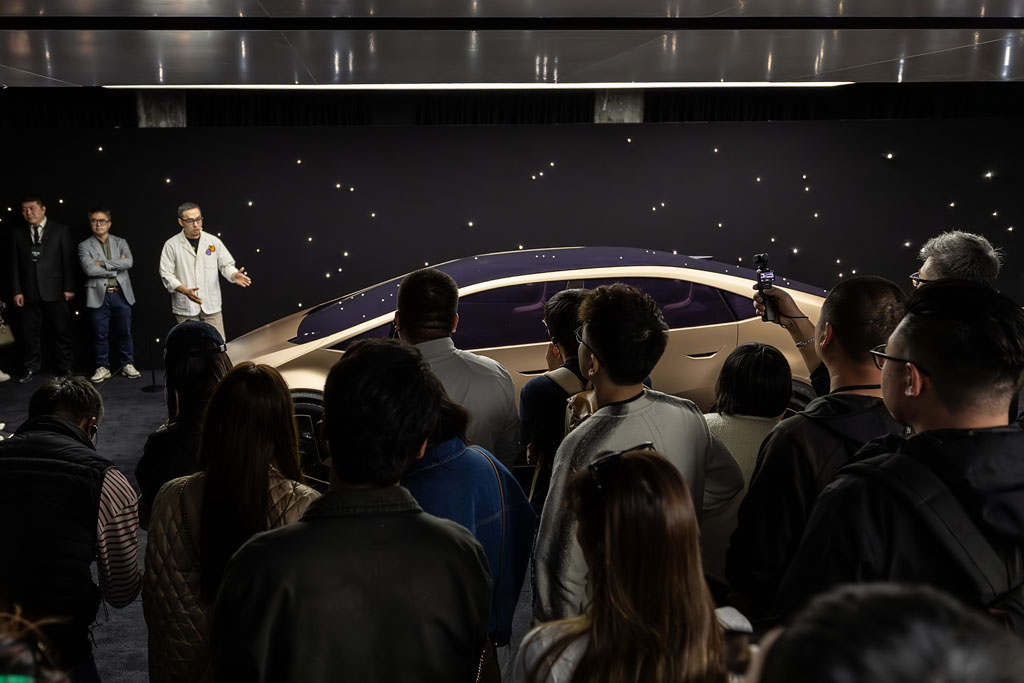
Hyundai has never been shy about taking a design risk, but the new Venus and Earth concepts feel like a genuine pivot point for the brand’s electric future. Revealed as part of the Ioniq subbrand’s expansion into China, both concepts show Hyundai stretching well beyond the pixel-heavy styling language that has defined recent Ioniq models. What replaces it is something more sculptural, more dramatic, and honestly more confident.
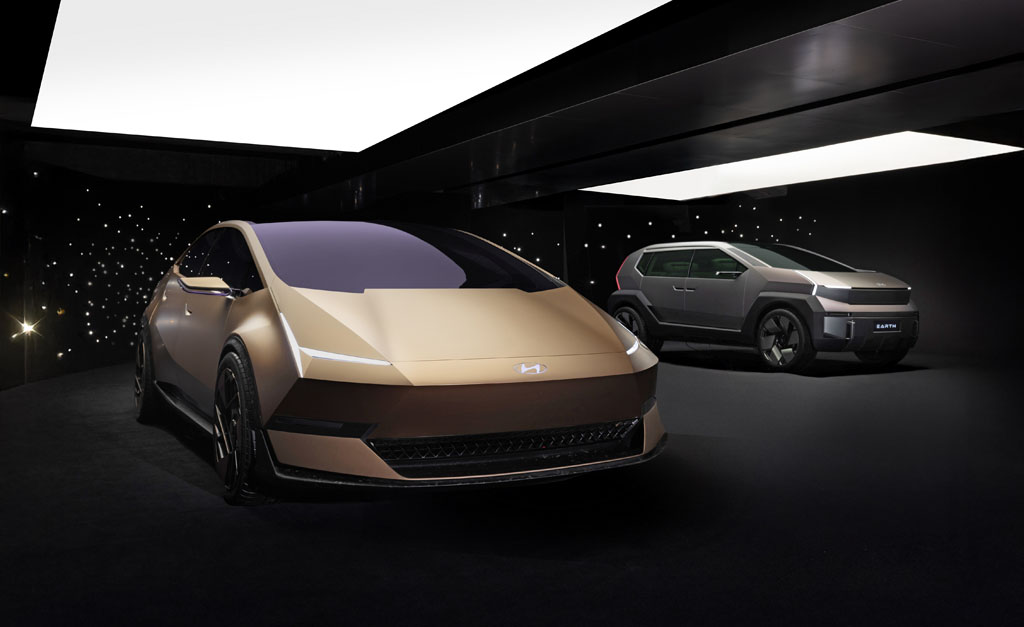
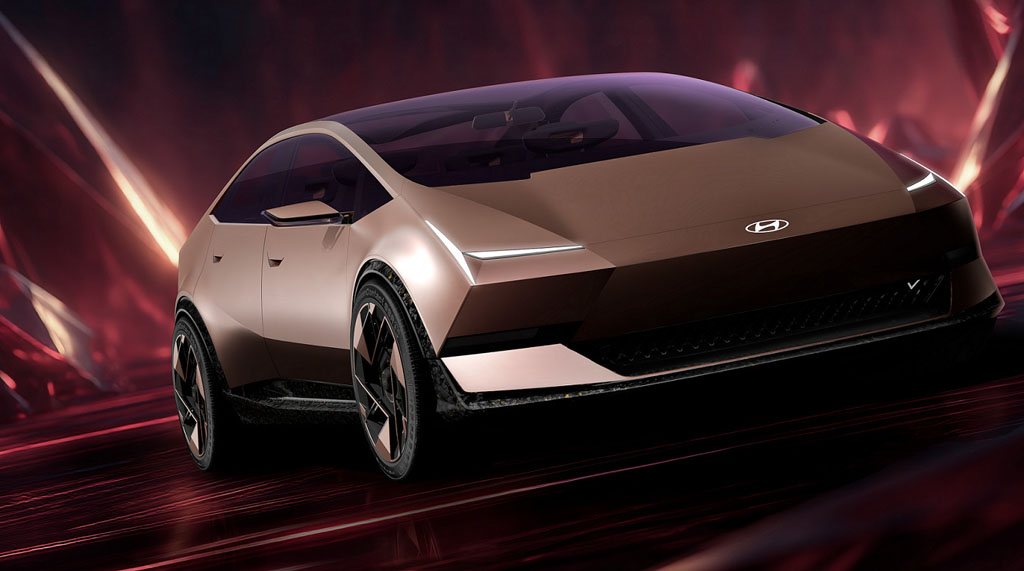
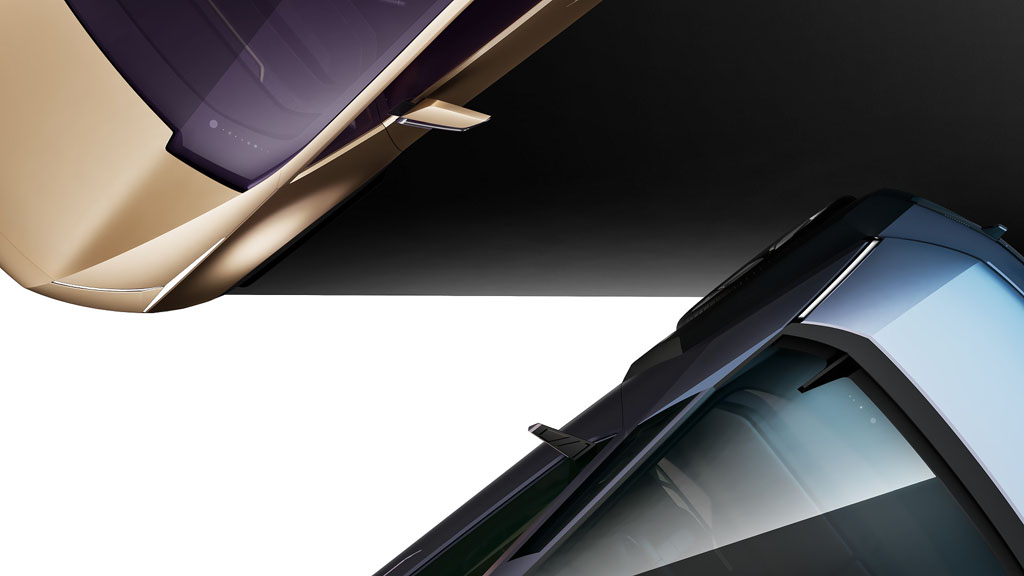
The Venus is the cleaner and more fashion-forward of the two, wearing a sleek hatchback shape that almost blurs the line between sedan, fastback, and rolling concept art. Its crisp body surfacing, pod-like proportions, and radiant gold finish give it a futuristic identity without looking gimmicky. There is a touch of Prius-like silhouette here, but Hyundai has layered in enough edge and visual tension to make the Venus feel far more like a statement than an imitation.
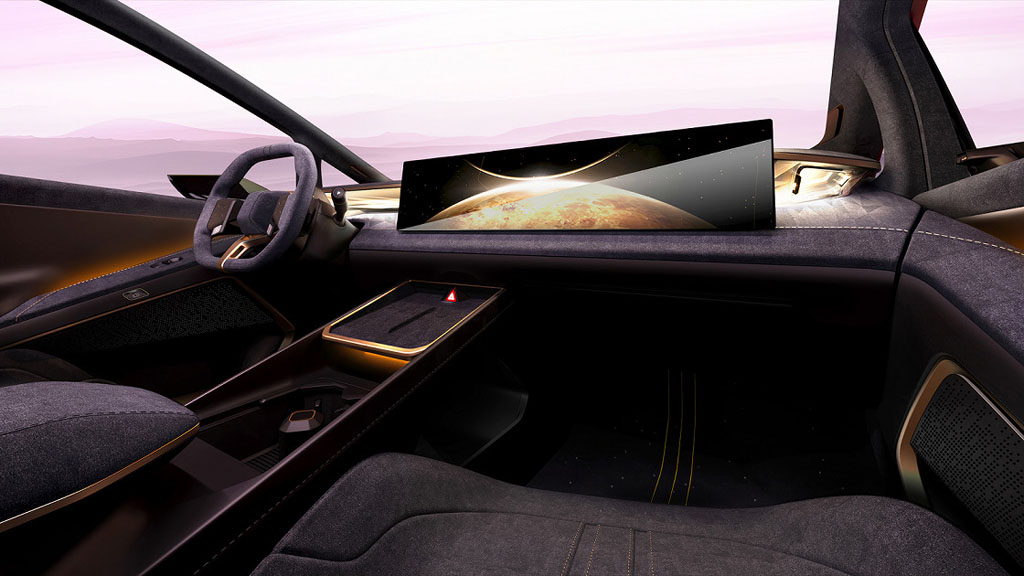
Step inside and the Venus leans hard into a minimalist, lounge-like atmosphere. The oversized screen setup, octagonal steering wheel, suede-like textures, and glowing gold ambient lighting create a cabin that looks more like a modern design studio than a traditional car interior. It is the kind of space that suggests Hyundai is thinking about emotional appeal as much as functionality, and that matters as EV interiors become more central to the ownership experience.
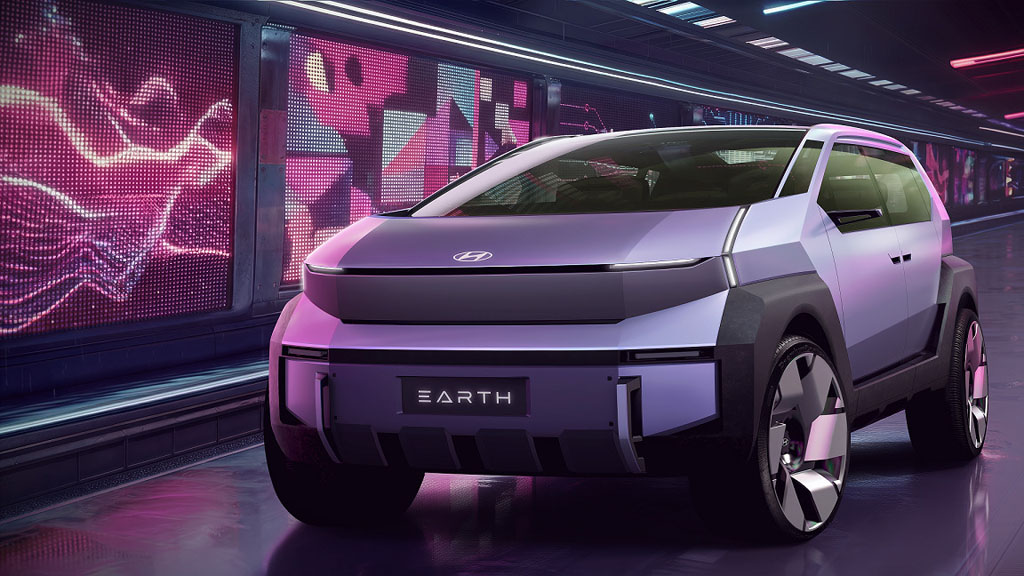
Then there is the Earth, which takes the same futuristic thinking and pushes it into a chunkier, more adventurous SUV form. It looks sharp, upright, and intentionally rugged, with thin lighting elements, geometric detailing, and a front end that feels ready for a sci-fi overlanding trip. The contrast between its smoother cabin themes and tougher exterior stance gives it a distinct personality, one that feels tailored for buyers who want utility without giving up visual drama.
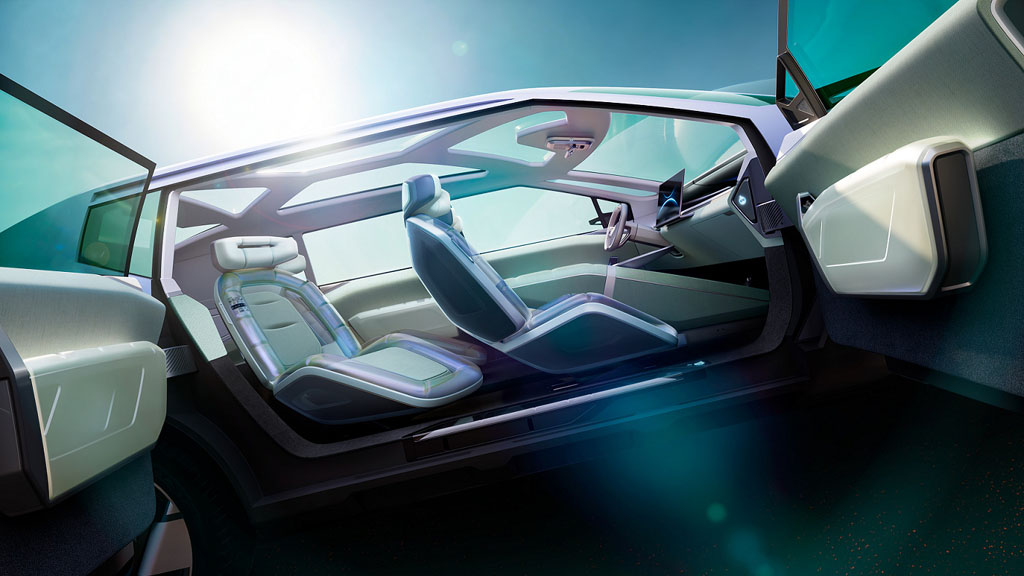
The Earth’s most interesting trick may be inside, where Hyundai introduces its so-called air-hug seats. If the concept lives up to the name, these seats could offer a more adaptive and personalized way to support occupants, wrapping more naturally around the body instead of relying on a static cushion design. That kind of thinking is exactly what concept cars are supposed to do. They do not just preview styling. They hint at how comfort, space, and daily usability could evolve in the next generation of EVs.
What makes both concepts especially important is what they represent beyond sheetmetal. Hyundai is using Venus and Earth to plant a flag for Ioniq in China, one of the world’s most competitive and fast-moving EV markets. Naming future China-focused models after planets may sound a little theatrical, but it also shows Hyundai is trying to build a distinct identity instead of simply copying and pasting its global EV playbook into a new region.
Even if these two never reach production exactly as shown, it would be surprising if their influence stopped at China’s borders. The Venus and Earth concepts suggest Hyundai is already thinking about what its electric lineup should look like as the decade moves forward, and the answer appears to be bolder, sharper, and less predictable. In a market full of safe designs and familiar themes, that alone makes these concepts worth paying attention to.

More Stories
A Chance To Win Tickets To The Wonderful Concours des Légendes 2026
We are delighted to offer you, our readers, another exciting competition. Are you signed up to our newsletter here, and...
How CGI Transforms Automobile Design & Prototyping
Car design has always depended on a mix of imagination, engineering, and revision. A sketch can set the direction, but...
Small Cars, Big Value: Suzuki’s Guide to Affordable Driving
Looking for big value in a small package? Our guide to affordable driving breaks down why our small cars are...
Kazakhstan February 2026: Kia (+33.1%) and Changan (+34.8%) strong, Lixiang lands
The Kia Soluto is up to #5 in Kazakhstan in February. Note: January sales figures are also included in the...
A Simple Guide to Car Finance for People with Poor Credit
Buying a car is an important step towards independence and convenience, but it can feel out of reach if you...
Ariel launches new 525bhp motorsport-spec ‘Atom 4RR’ and it’s a belter
• Track‑focused yet road‑legal, the Atom 4RR is Ariel’s most extreme performance machine ever • Bespoke, hand‑built, motorsport‑spec 525bhp / 550Nm Honda engine revving to 8,200rpm • Quickest Atom ever: 2.4 seconds...