
Cape Cod town opposes real estate transfer tax at State House: ‘Trust has been betrayed’

Support among communities on Cape Cod for a transfer tax may be falling apart.
The Harwich Select Board is sending a letter to the State House stating its opposition to a petition seeking power for each Barnstable County town to enact a controversial transfer tax on home sales over $1 million.
The Harwich board opposes the local real estate transfer tax that the Barnstable County Assembly of Delegates has sent to the Legislature via a home rule petition, and members say they need to make lawmakers aware of their concerns.
The regional governing body, consisting of one elected member from each of the 15 Cape Cod towns, approved the real estate transfer tax last month with a 10-5 vote. A delegate’s vote, though, is based on how much their individual town contributes to the county’s total population.
That means the final vote passed by what Cape Codders have described as the “thinnest of margins,” with 51.4% of the region in favor and 48.6% opposed.
Now Harwich Select Board members are sounding off against the tax, arguing that the measure wouldn’t solve the region’s housing crisis, but rather, increase the Cape’s cost of living.
Board members say the Assembly of Delegates’ home rule petition came out of nowhere, and slammed their own delegate Elizabeth Harder for never conferring with them before the regional governing body cast its vote on Feb. 18.
“This town is feeling like they are losing trust in some aspects of our government,” board member Jeff Handler told Harder on Monday. “I would say this is one of those moments where trust has been betrayed only because there was no conversation for 14 months.”
Harder responded, claiming that the real estate transfer tax will not affect the mid-Cape town of roughly 13,500 residents if they don’t vote for it, describing the delegates’ conversations around the home rule petition as “not important” to the town’s business.
“The reason that everybody feels like it was done in the dark was … they didn’t watch the hundreds of meetings we had,” Harder said of the Assembly’s previous discussions on the tax that she said spanned well over a year.
“A transfer fee is nothing that the state or the county could force down the town’s throat,” Harder added. “In fact, the county’s work is done.”
If state lawmakers take up the home rule petition and approve it, residents in each town would then have to adopt the tax at Town Meeting and a subsequent town election.
Participating towns would have the power to set the rate between 0.5% and 4% on the portion of a home sale price above the $1 million threshold. County officials estimate the tax could generate up to $60 million annually for affordable housing initiatives.
Cape Codders who spoke with the Herald after the Assembly’s approval argued that county and town boards should focus on issues that have sparked the crisis, such as zoning and wastewater.
Harwich Select Board Vice Chairman Peter Piekarski voiced a similar stance on Monday, saying that the town has a “long history of supporting affordable housing initiatives.”
“We have to identify what the actual issue is,” he said. “There is no magic wand; nobody has the absolute solution of how we solve housing issues across the Commonwealth.”
Of the roughly 200 sales in the mid-Cape town last year, 60 were over $1 million, local realtor Richard Waystack told the Herald. “That’s just the cost of housing on the Cape,” he said.
If approved, Barnstable County would collect the revenue generated by the tax before returning 90% of it to the 15 individual towns, allowing local governments to use the funds to buy land to support year-round housing, impose deed restrictions, or offer financial assistance to qualified buyers.
County officials would use the remaining 10% to support a “year-round housing trust,” which would cover administrative costs and housing efforts across the region.
Towns would be able to exempt first-time buyers, year-round residents and retirees on fixed incomes if the state Legislature approves the home rule petition.
“There’s a lot of support for this out there,” Harder said, “because people think this may be the way to fund the kind of housing that they want.”
Six Cape Cod communities have sent a local home rule petition to the State House for a real estate transfer tax: Chatham, Falmouth, Provincetown, Truro, Eastham and Wellfleet. Cities and towns elsewhere in the Bay State are also seeking similar measures.
Harwich Select Board Chairman Don Howell highlighted the typical process for sending home rule petitions to the Legislature: Residents are often asked to sign off on a particular measure at a Town Meeting beforehand.
“To me, this was somewhat extraordinary,” Howell said of the real estate transfer tax.
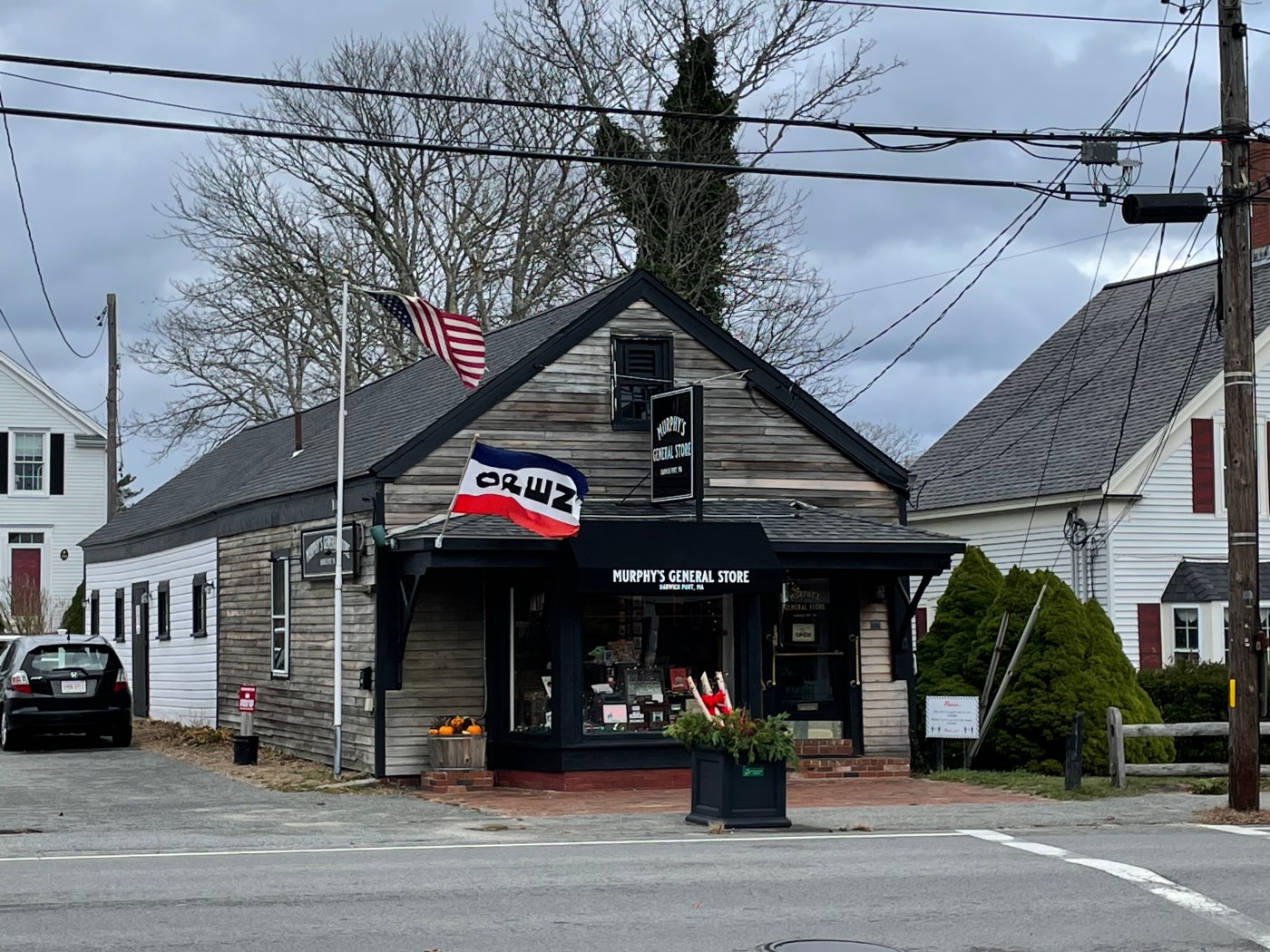
The town of Harwich is sending a letter to state lawmakers to withdraw its support for a real estate transfer tax proposal put forward by regional authorities in Barnstable. (Nicolaus Czarnecki//Boston Herald, File)


More Stories
Why CEEK founder Charlie Terry wants his team in the office every day
Charlie Terry founded CEEK in 2016 and has built it into a Soho-based digital marketing agency running social, search, paid...
FairFuelUK urges fuel duty cut as diesel averages 199.5p a litre
FairFuelUK has called on the government to cut fuel duty immediately, saying diesel pump prices have passed £2 a litre...
City taskforce warns Healey UK risks becoming an ‘incubator nation’
John Healey has been warned that Britain risks becoming an “incubator nation” that creates companies and then loses them to...
H.I.G. Capital Acquires Arco, the U.K.’s Leading Safety Equipment Distributor
Arco holds what the firm described as the leading market position among U.K. safety equipment distributors, supplying protective gear, safety...
Benjamin Wey on the Next Chapter of China M&A Deal-Making
Benjamin Wey has had a front-row seat for most of it after he arrived in the United States from Beijing...
Burnham to argue for closer EU integration at UK-EU summit
Andy Burnham will argue for closer integration with the European Union at a UK-EU summit due by the end of...