
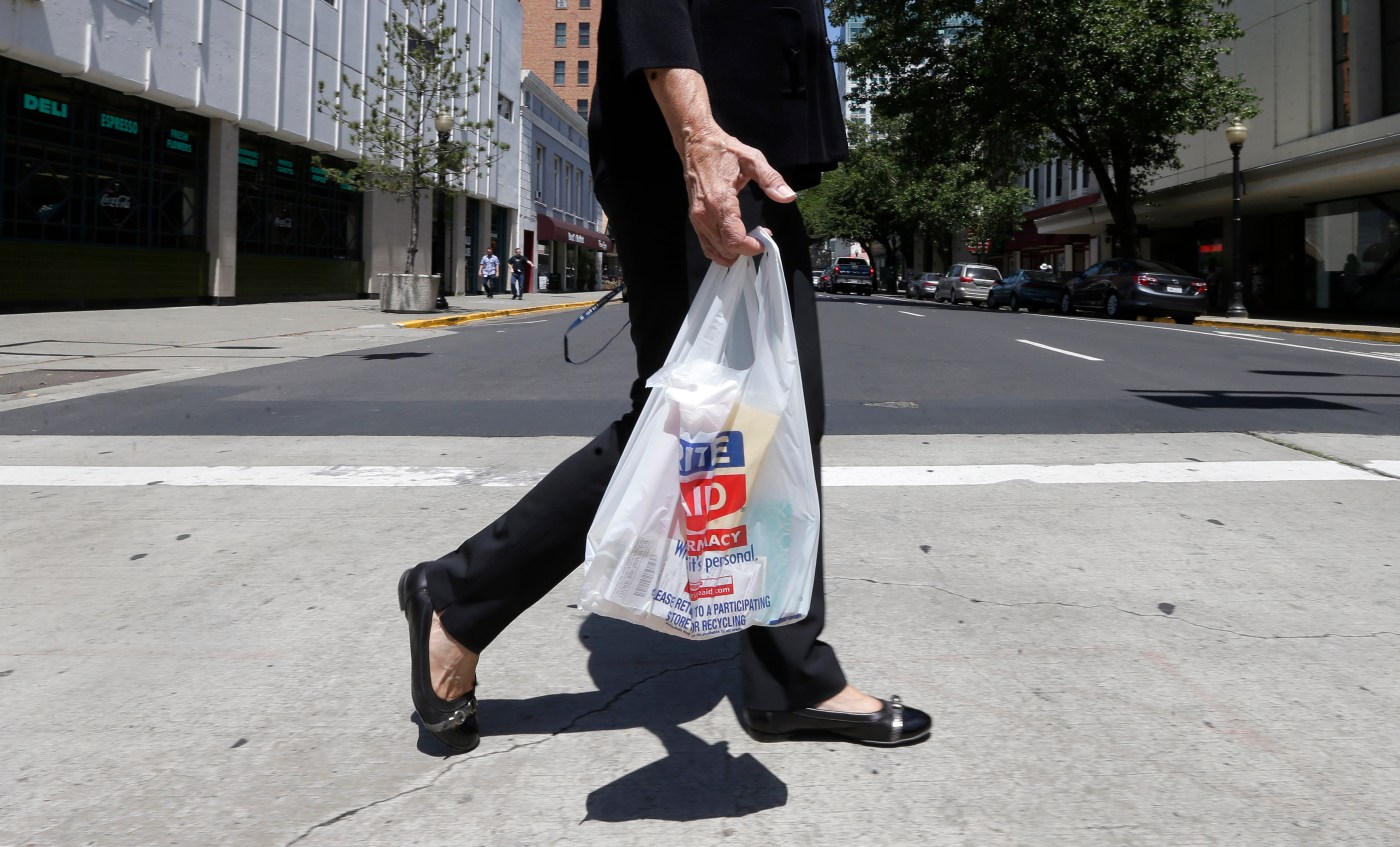
Bakst: Single-use plastic bans not effective

Nobody wants plastic pollution. That doesn’t mean poorly considered and heavy-handed governmental actions are the solution.
The primary concern regarding plastic pollution is ocean plastic pollution. Plastic in our oceans can persist indefinitely, causing harm to marine life. Further, the amount of plastic in the ocean is increasing.
To what extent do American consumers contribute to this problem? According to the nonprofit OpenOceans Global, “The U.S. directly contributes less than 1 percent of plastic to the world’s oceans.” The problem is primarily coming from Asia, which accounts for more than 80% of the ocean plastic.
There is a zone of accumulated plastic known as the Great Pacific Global Patch that has received significant attention. A recent study in Scientific Reports states that “between 75 and 86 percent of the floating plastic mass” in the Patch “could be considered (abandoned, lost or otherwise discarded fishing gear).”
Quite simply, American consumers are not a meaningful source of this pollution problem. Not only does our country contribute a minuscule amount to ocean plastic pollution, but much of the ocean plastic pollution also has nothing to do with consumer use.
Wealthier countries, such as the United States, which have significant plastic consumption, do not have waste management problems like those that plague nations where the ocean plastic pollution is coming from. According to the World Population Review’s analysis of plastic pollution, the United States is one of the best countries in the world at managing plastic waste.
Less developed nations, which are significant sources of ocean plastic pollution, need to focus on improving their waste management systems.
The tiny role U.S. consumers have in ocean plastic pollution by itself is a compelling reason to reject single-use plastic bans. There are many other compelling reasons to reject single-use plastic bans.
Reusable bags, unlike plastic bags, pose a potential source of significant health risks due to the presence of harmful bacteria. One study found that after San Francisco’s 2007 ban on plastic use, there was a spike in emergency room visits due to food contamination, with subsequent California municipal bans seeing similar increases.
In many ways, plastic bags are more environmentally friendly than paper bags. Producing a plastic bag consumes significantly less energy and water than making a paper bag, and it emits less air pollution.
Then there’s convenience and quality. Plastic bags are lightweight, flexible and easy to transport.
Consumers overwhelmingly prefer plastic straws over paper straws. For many disabled Americans, plastic straws are critical because they are bendable and don’t pose health and safety risks for them that can arise with glass, paper, and metal straws.
The key point is that consumers should be able to decide for themselves what kind of bags or straws to use, not the government and ideologues who want to impose their preferences on everyone else.
Daren Bakst is director of the Competitive Enterprise Institute’s Center for Energy and Environment.


More Stories
US court rules against Pentagon in killer AI dispute
The Department of War had ordered contractors to drop Anthropic after it refused to allow military use of its technology...
Which Interior Flooring is Best?
Where do you start when choosing new flooring? When shopping for new flooring a good place to start is to...
Petrol set to top £1.50 a litre as Iran war drives fuel price surge
UK drivers are bracing for a sharp rise in fuel costs, with petrol prices expected to exceed £1.50 per litre...
Dyson hit by £440m sales drop as Trump tariffs bite
Dyson has reported a £440 million drop in annual sales after being hit by US trade tariffs, although the group...
Octopus Investments to cut 20% of staff as AI reshapes asset management
Octopus Investments is set to cut around a fifth of its workforce as it accelerates the adoption of artificial intelligence,...
Next to invest £300m in UK logistics as new warehouse set to deliver £2.5bn boost
Next has unveiled a major expansion of its UK logistics network, committing more than £300 million to new warehouse infrastructure...