
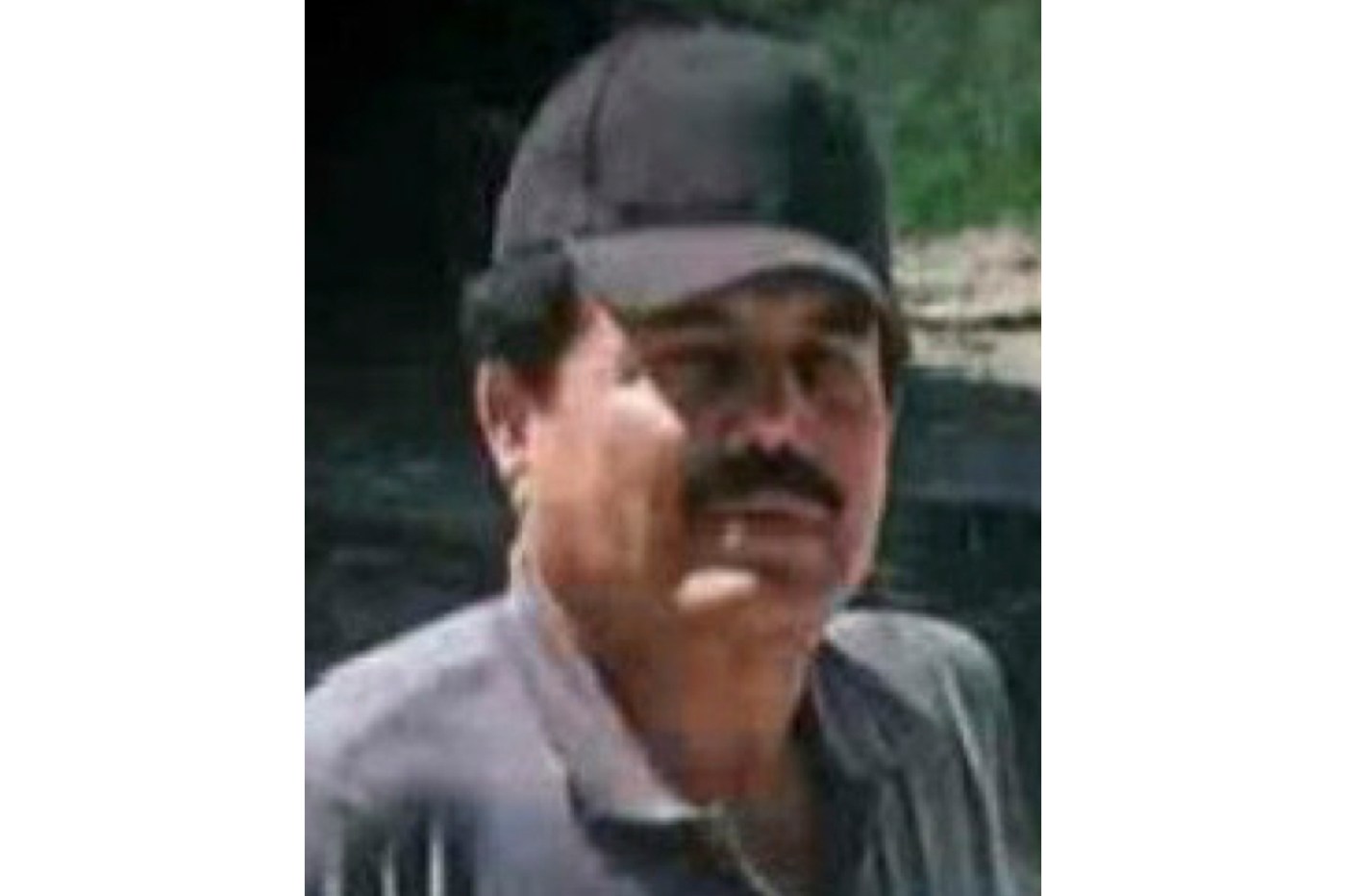
Elusive Mexican drug lord convicted in U.S.

NEW YORK — Former Mexican cartel kingpin Ismael “El Mayo” Zambada pleaded guilty Monday to U.S. drug trafficking charges, saying he was sorry for helping flood the U.S. with cocaine, heroin and other illicit substances and for fueling deadly violence in Mexico.
“I recognize the great harm illegal drugs have done to the people of the United States, of Mexico, and elsewhere,” he said through a Spanish-language interpreter. “I take responsibility for my role in all of it and I apologize to everyone who has suffered or been affected by my actions.”
Under Zambada’s leadership and that of Joaquín “El Chapo” Guzmán, the Sinaloa cartel evolved from a regional player into the largest drug trafficking organization in the world, prosecutors say.
“Culpable,” Zambada said, using the Spanish word for “guilty,” as he entered his plea.
He acknowledged the extent of the Sinaloa operation, including underlings who built relationships with cocaine producers in Colombia, oversaw importing cocaine to Mexico by boat and plane and smuggling the drug across the U.S.-Mexico border. He acknowledged that people working for him paid bribes to Mexican police and military commanders “so they could operate freely.”
Zambada was arrested in Texas last year, at the end of the Biden administration, when the drug lord arrived in a private plane at a Texas airport with one of Guzmán’s sons, Joaquín Guzmán López. Zambada has said he was kidnapped in Mexico and taken against his will to the U.S.
Prosecutors promised not to seek death penalty
His plea — two weeks after prosecutors said they wouldn’t seek the death penalty against him — comes as President Donald Trump and his Justice Department have amplified the U.S. fight against drug cartels. The administration has declared the groups terrorist organizations, positioned military assets off Venezuela and compelled the Mexican government to hand over several dozen high-ranking cartel officials for prosecution in the U.S.
Zambada’s lawyer, Frank Perez, stressed after court that the plea agreement doesn’t obligate Zambada to cooperate with government investigators. The attorney said his client never really wanted to go to trial, and that once the death penalty was off the table, his “focus shifted to accepting responsibility and moving forward.
Zambada, 75, is due to be sentenced Jan. 13 to life in prison. He also faces billions of dollars in financial penalties.
His arrest, along with that of Guzmán López, touched off deadly fighting in his home state of Sinaloa between rival Sinaloa cartel factions, pitting his loyalists against backers of Guzmán’s sons, dubbed the Chapitos — a term that translates to “little Chapos.”
In the Sinaloan capital of Culiacan, dead bodies lie in streets or sometimes appear hanging from highway underpasses. Businesses shutter early because people don’t want to be out after dark. Schools grind to a halt during sudden bursts of conflict. Facets of society ranging from social media influencers to animal caregivers have been touched by the bloodshed.
Perez said Monday that Zambada was urging people in Sinaloa to avoid violence in the future.
Zambada appeared momentarily unsteady as he arrived in a Brooklyn federal courtroom; a marshal grabbed his arm to direct him to his seat among his attorneys at the defense table.
As Judge Brian M. Cogan described the charges in Zambada’s plea agreement, the bearded ex-Sinaloa boss sat attentively, at times brushing his right hand through his white hair.
Then, in an eight-minute address to the court, Zambada traced his involvement in the illegal drug business to his teenage years, when — after leaving school with a sixth-grade education — he planted marijuana for the first time in 1969. He said he went on to sell heroin and other drugs, but especially cocaine. From 1980 until last year, he and his cartel were responsible for transporting at least 1.5 million kilograms of cocaine, “most of which went to the United States,” he said.
Prosecutors said in his indictment that he and the cartel also trafficked in fentanyl and methamphetamine.
Department of Homeland Security Police and their dog patrol outside Federal court in the Brooklyn borough of New York, on Monday. (AP Photo/Richard Drew)


More Stories
Middle East war triggering global energy ‘shock’ – IMF
Disruptions to oil and gas supplies will leave lasting “scars” on the world economy, managing director Kristalina Georgieva has said...
What is fueling unrest across the EU?
The bloc is facing an energy crisis due to the Strait of Hormuz disruption, with soaring diesel prices triggering protests...
OECD urges reeves to overhaul ‘inefficient’ UK tax system
Rachel Reeves has been told by one of the world’s most influential economic bodies that Britain’s tax system is holding...
Easter lifts footfall but retailers brace for April cost squeeze
Britain’s high streets enjoyed a welcome lift last month as an early Easter drew shoppers back through the doors, but...
Google takes on Opentable with AI that books your dinner in seconds
Google has fired the opening shot in a battle for Britain’s restaurant booking market, rolling out an artificial intelligence tool...
Retail backers of SEIT face wiping out half their money as green trust raises the white flag
Thousands of small investors who piled into one of London’s best-known green investment vehicles are staring down the barrel of...