
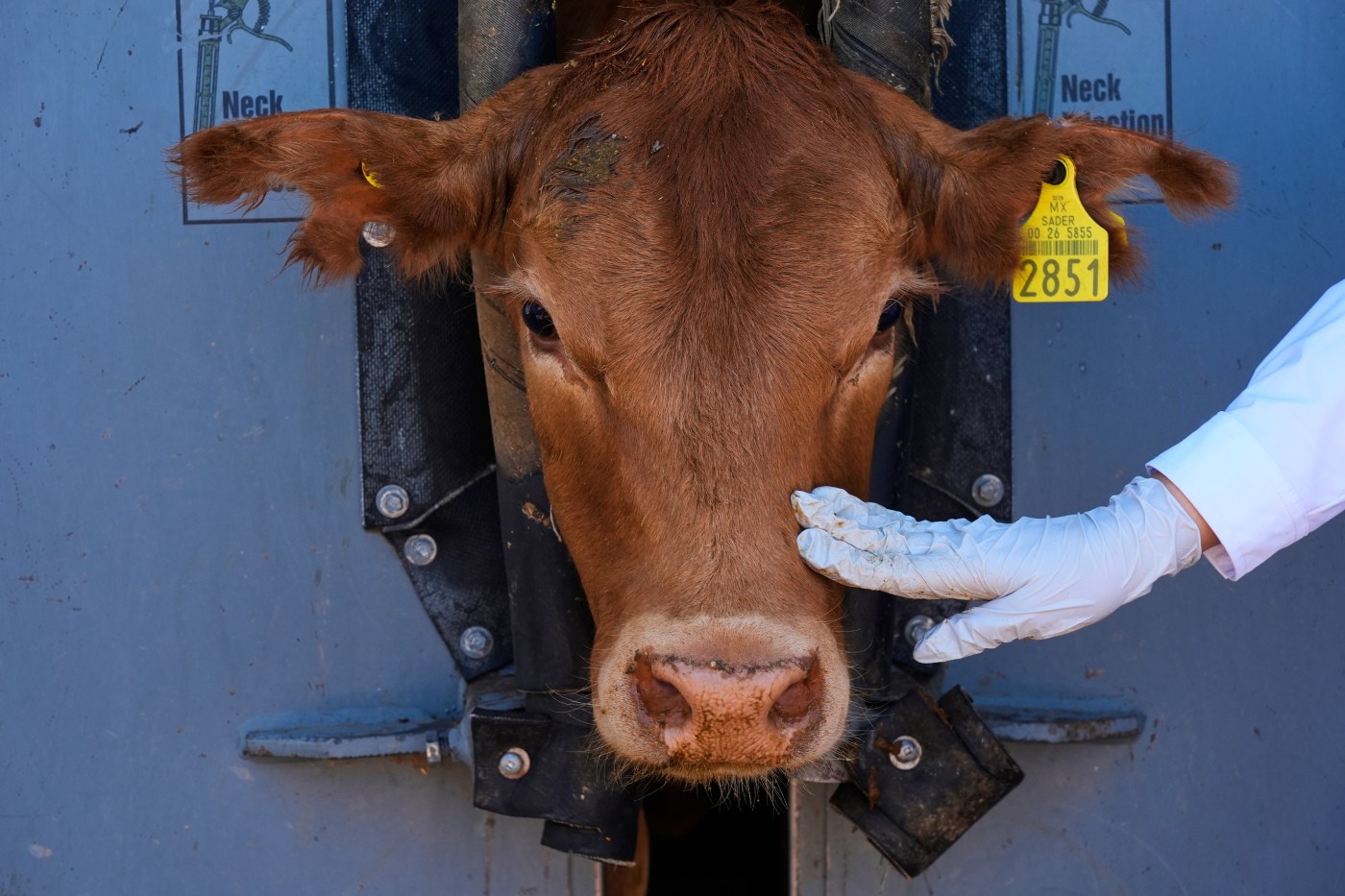
Efforts to keep screwworm at bay

Dear Dr. John,
We live on a small family farm. There seems to be a lot of news about screwworm and its risk to farm animals. Can you tell me more? We wonder if we need to be concerned about our dogs as well as our chickens, cattle, and goats. M.F.
Dear M.F.,
The condition that you are referring to is New World Screwworm (NWS) and its effects can be devastating to many species. It is endemic in Central and South America as well as the Caribbean. It can severely hurt our food supply costing hundreds of millions, if not billions, of dollars.
It has basically been eradicated from our country since 1966 but recent findings of it reemerging in Mexico and Central American nations has led to our own national efforts to be vigilant. Veterinarians in these countries have not only identified cases but taken actions to curb the problem and Americans can be grateful to them. A brief emergence was seen in the Florida Keys in 2016 but thankfully it was eradicated within a year.
The NWS flies infest open wounds and live off of live tissue causing a lot of pain by screwing into the tissue. In food production animals this leads to a loss of appetite, infection, and severe weakness or death. The only treatment is removal of the larvae.
The most common means of addressing the problem involves the sterile insect technique. The worms only breed once so when sterile flies are released, they subsequently breed, leading to the inability of the population to continue. Just a few days ago, the USDA took a huge step towards fighting this problem with a new five-pronged plan including this technique and research into new innovative ways to rid the disease.
The USA has also ceased imports of livestock from our southern border until it is fully under control. This parasite can affect many different species including cattle, dogs, occasionally birds, and even humans, so if it were here your farm population could be at risk. The good news: you don’t have to worry at this time.
Dr. John de Jong is President of the World Veterinary Association. He owns and operates the Boston Mobile Veterinary Clinic and can be reached at 781-899-9994.


More Stories
Interview: The Light System on Building a New Category in Wellness Technology
The Light System is an emerging wellness technology company built on decades of foundational work by inventor Robert J. Religa....
Anisa Joy Leonard: Building Justice From the Ground Up
What does it look like to combine social work and law in one career? For Anisa Joy Leonard, it looks...
What Fast-Moving Digital Industries Teach Us About Business Agility
Fast moving industries are at the forefront of trends. They’re there to keep their customers interested, happy, and engaged, and...
Rainbow Six Siege Operator Meta: The Top Picks Defining Play at the Start of 2026
Rainbow Six Siege is entering 2026 in full force. Last year we saw the game reinvent itself with the release...
From Tactical Units to Boardrooms: Frank Elsner’s Evolving Career
Frank Elsner is a Canadian public safety leader with decades of experience across policing, intelligence, and corporate security. His career...
Why downtime is the biggest hidden cost in UK industry
In UK industry, cost control is often focused on the obvious: labour, materials, logistics, and energy. These are measurable and...