
Editorial: Shoppers just want to buy groceries, not be data mines

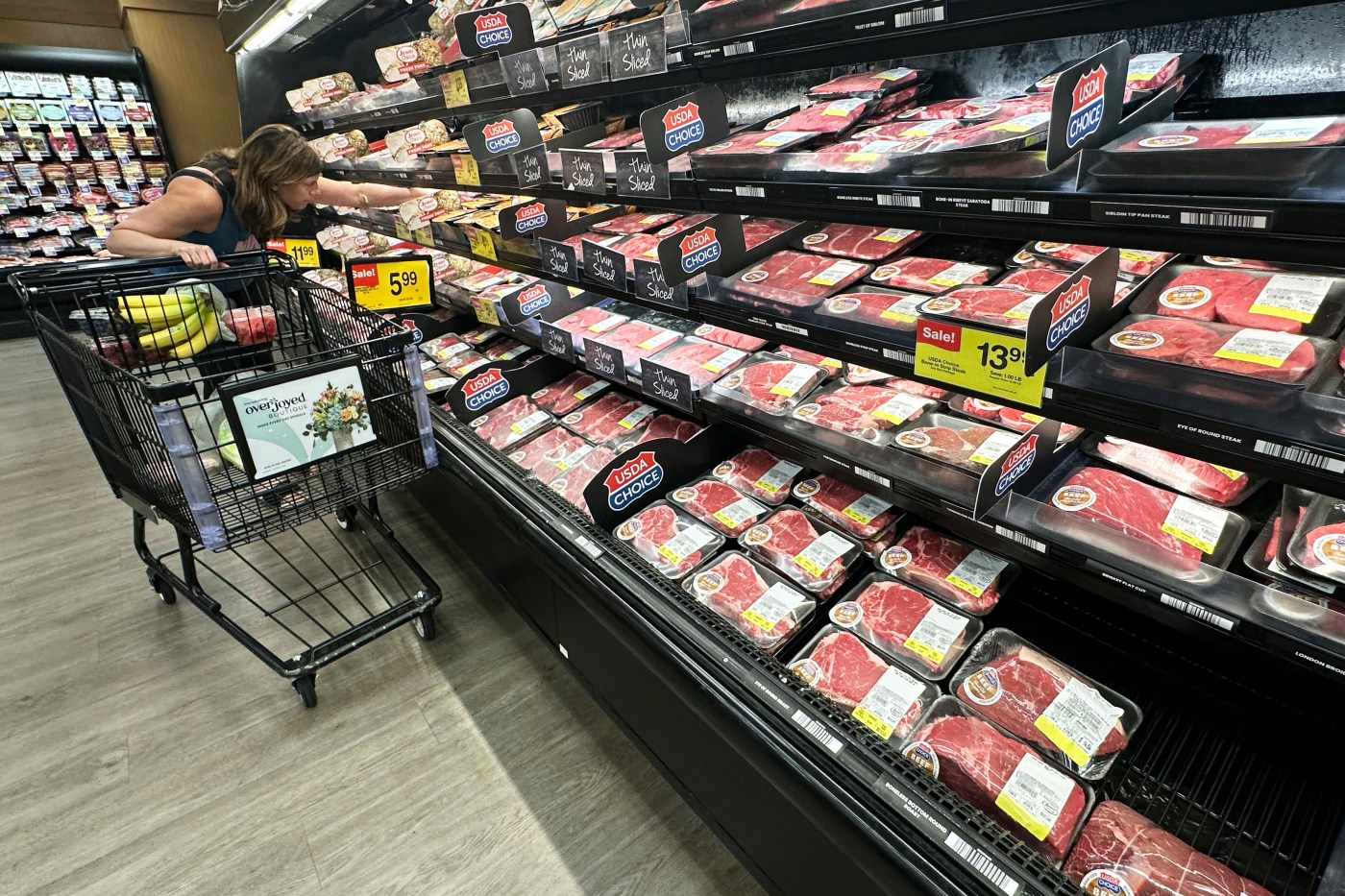
Grocery shopping should be simple: get in, get what you need at the best price, and get out. No one steps through the doors expecting to be mined for personal information, or to create “new profit streams.”
It’s called surveillance pricing and surveillance advertising, and Rep. Lindsay Sabadosa is having none of it. Her bill (H 99) looks to proactively block supermarkets from these practices, and secured initial approval from the House on Monday, as Statehouse News reported.
It aims to prevent grocery stores from jacking up their prices, according to the Northampton Democrat. It also installs guardrails on collecting and using insights gleaned from customers’ biometric data, such as their fingerprint, voiceprint, eye retinas, gait or “other unique biological patterns,” according to the bill.
Grocery chain Kroger and Microsoft in early 2019 announced a technology collaboration to “enable higher levels of personalization.” They tested digital shelving systems, with electronic tags containing information about a product’s price, promotions and nutrition facts. Rodney McMullen, then-CEO of Kroger, had said the new technology would help “reinvent the customer experience and create new profit streams that will also accelerate our core business growth.”
“While this technology has not yet spread widely in Massachusetts, it’s an imminent threat, with large chains like Kroger and Walmart already rolling it out across the country,” Sabadosa wrote in a Facebook post in April.
Consumers just want to buy groceries and save money where they can. If stores want to create profit streams, offer items that consumers want at low prices. Evidence of success is measured when products can’t be restocked fast enough. Shoppers should be free to thump a melon without being mined for data.
In a letter to McMullen last August, U.S. Sens. Elizabeth Warren and Bob Casey sounded the alarm about Kroger’s use of digital tags to “surge grocery prices and exploit consumers.” They warned the widespread use of the technology could “introduce the potential for grocery giants to abuse their power and surge grocery prices, raising prices suddenly and at times when certain products are in highest demand.”
Sen. Warren is quick on the draw to accuse companies of price gouging, whether in times of inflation or after natural disasters or some other scenario the senator deems fodder for corporate greed. In this case, however, Warren and others are right to be concerned, especially as the former Kroger CEO cites the technology’s potential to “create new profit streams.”
No thanks.
Senate members of the Advanced Information Technology, the Internet and Cybersecurity Committee sent a redrafted companion bill (S 2515) from co-chair Sen. Michael Moore to the Senate Ways and Means Committee in May.
Woodrow Hartzog, a professor at Boston University’s School of Law, said surveillance pricing allows companies to figure out the highest price that customers are willing to pay.
Proponents of the technology suggest expanded personal data could be used to offer targeted discounts to shoppers. Isn’t that what loyalty programs do?
Technology can be great; it can streamline retail transactions, make searching for products easier and let consumers compare prices quickly. It can also be used in ways beyond its original intention.
Shoppers don’t want to “reinvent” the grocery-buying experience. They just want good food they can afford.
Editorial cartoon by Gary Varvel (Creators Syndicate)


More Stories
Stefon Diggs, A.J. Brown and free-agent targets: Inside the Patriots’ plans at the NFL Scouting Combine
INDIANAPOLIS — Barely two weeks after losing the Super Bowl, the Patriots flew most of their coaching staff and front-office...
Emiratos Árabes Unidos dice que una persona murió por la caída de metralla tras un ataque iraní con misiles
DUBÁI, Emiratos Árabes Unidos (AP) — Emiratos Árabes Unidos dice que una persona murió por la caída de metralla tras...
Red Sox stock watch: Rookie starter making move in rotation competition
FORT MYERS, Fla. — With spring training games officially underway, we’ve finally gotten a chance to see the 2026 Red...
Cinco alumnas mueren en una escuela femenina en el sur de Irán en ataque de Israel y EEUU, según agencia noticiosa IRNA
DUBÁI, Emiratos Árabes Unidos (AP) — Cinco alumnas mueren en una escuela femenina en el sur de Irán en ataque...
Today in History: February 28, Benedict XVI becomes first pope to resign
Today is Saturday, Feb. 28, the 59th day of 2026. There are 306 days left in the year. Today in...
Today in History: February 28, Benedict XVI becomes first pope to resign
Today is Saturday, Feb. 28, the 59th day of 2026. There are 306 days left in the year. Today in...