
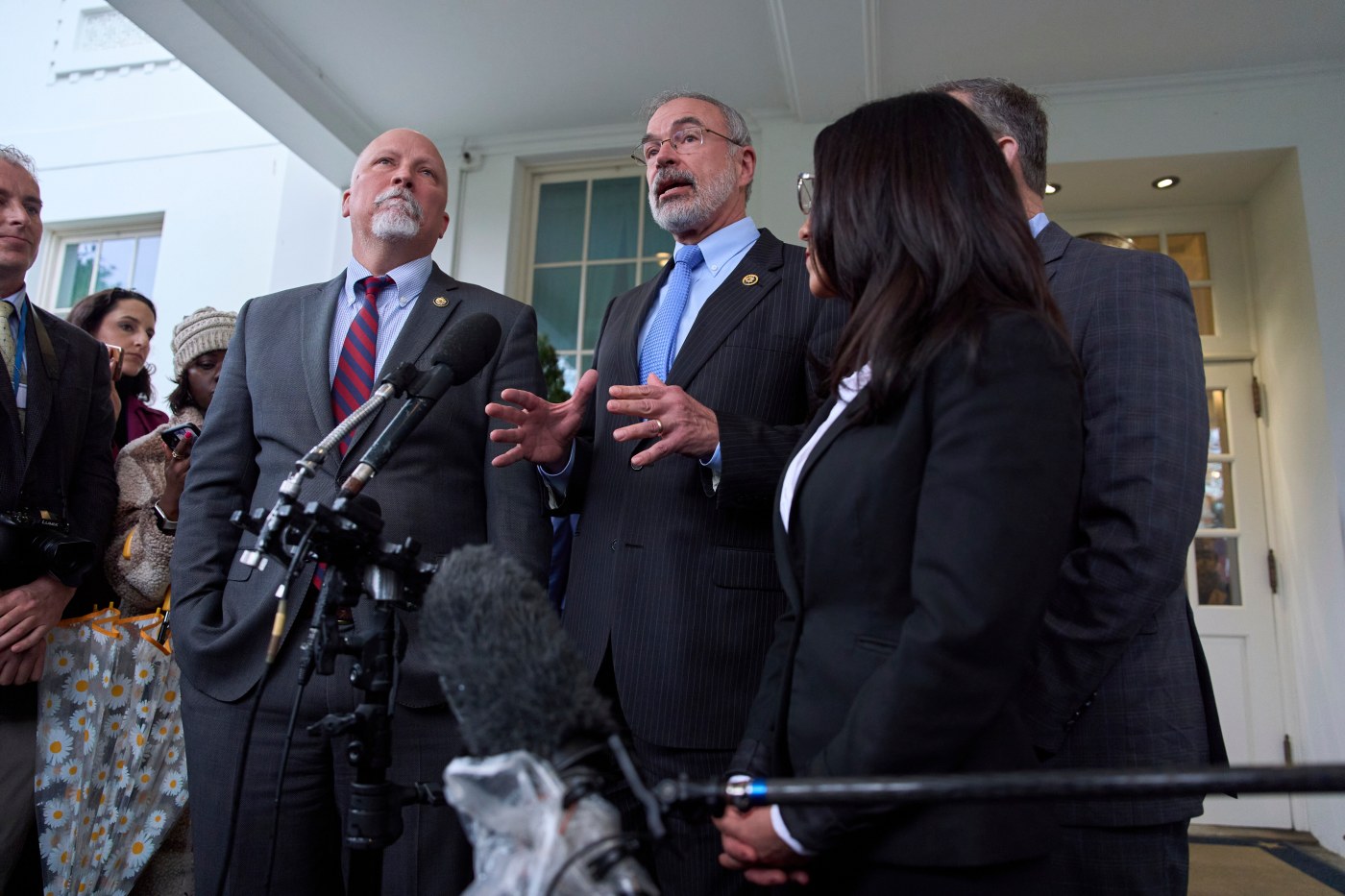
Aiello: Freedom Caucus made Trump tax bill better

In today’s political reality, legislative wins don’t come easily for those dedicated to pro-taxpayer policies and limited government.
While not perfect, President Trump’s One Big Beautiful Bill Act (OBBBA) delivers the most significant conservative victories in recent memory: broad and permanent tax cuts, entitlement reforms and a partial repeal of the Green New Deal.
These successes didn’t happen by accident. They were a result of principled leadership by the two dozen members of the House Freedom Caucus to ensure the most fiscally responsible version possible reached the president’s desk.
To be clear, all congressional Republicans deserve credit for passing OBBBA.
From day one through final passage, the caucus consistently fought to include as many meaningful reforms and taxpayer savings as could realistically pass the House. It secured $1.1 trillion in deficit reduction, almost four times the original $300 billion floated earlier.
The bill’s most significant changes are the reforms made America’s overgrown social safety net, which was being defrauded and treated like a piggy bank. While many were focused on the tax provisions, the Freedom Caucus was focused on addressing ballooning federal spending.
It led the charge to bring generational and commonsense reforms to bloated programs like Medicaid and food assistance. Its efforts significantly tightened work requirements, ensuring beneficiaries work, volunteer, or go to school for 20 hours a week to be eligible for benefits.
These work requirements will make Medicaid stronger for those who need it, like low-income children, pregnant women, seniors, people with disabilities, and those who have fallen on hard times.
OBBBA also phased down the Medicaid provider tax threshold from 6% to 3.5%, saving hundreds of billions and discouraging Obamacare expansion. Medicaid expansion states often take advantage of the system through provider taxes, allowing them to extract more funding from the federal government.
Even then-Vice President Joe Biden has labeled the tax a “scam.”
Another notable achievement for the caucus is major rollbacks to the Inflation Reduction Act, one of the most expensive bills ever enacted into law. That law focused heavily on climate change and renewable energy, with tax credits and other incentives that some experts believe will cost upward of $5 trillion by 2050. These are expensive subsidies that favor intermittent forms of energy, such as solar and wind power, over reliable fuels.
The final bill includes hundreds of billions of dollars of rollbacks for clean energy. It specifically eliminates electric vehicle credits, and greatly restricts wind and solar projects from claiming the IRA credits, requiring that projects start construction within one year or be plugged into the grid by the end of 2027.
The tax and budget bill is indeed “big,” but it was made more “beautiful” thanks to the pro-taxpayer policies of the House Freedom Caucus.
Thomas Aiello is the senior director of government affairs at the National Taxpayers Union/InsideSources

More Stories
City set to pour billions into defence as Russia threat reshapes investment priorities
The City of London is preparing to channel significantly more capital into defence as rising geopolitical tensions, and the growing...
Lucas: Healey needs to meet with Trump
Gov. Maura Healey is better at flying illegal immigrants into Massachusetts than flying them out. One only has to recall...
Hairdressers join pub landlords in banning Labour MPs over business rates backlash
Hairdressers and barbers are joining pub landlords in banning Labour MPs from their premises, as anger intensifies across the high...
Llinkedin founder bankrolls Labour’s TikTok push against reform
The founder of LinkedIn, Reid Hoffman, is among a group of Silicon Valley investors helping to bankroll Labour’s digital push...
Gaskin: Building a better future with smarter metrics
What we measure ultimately shapes what we build — and the future we leave behind. Governor Maura Healey has made...
Today in History: December 29, Ghislaine Maxwell convicted
Today is Monday, Dec. 29, the 363rd day of 2025. There are two days left in the year. Today in...