
Judge keeps Maxwell transcripts sealed

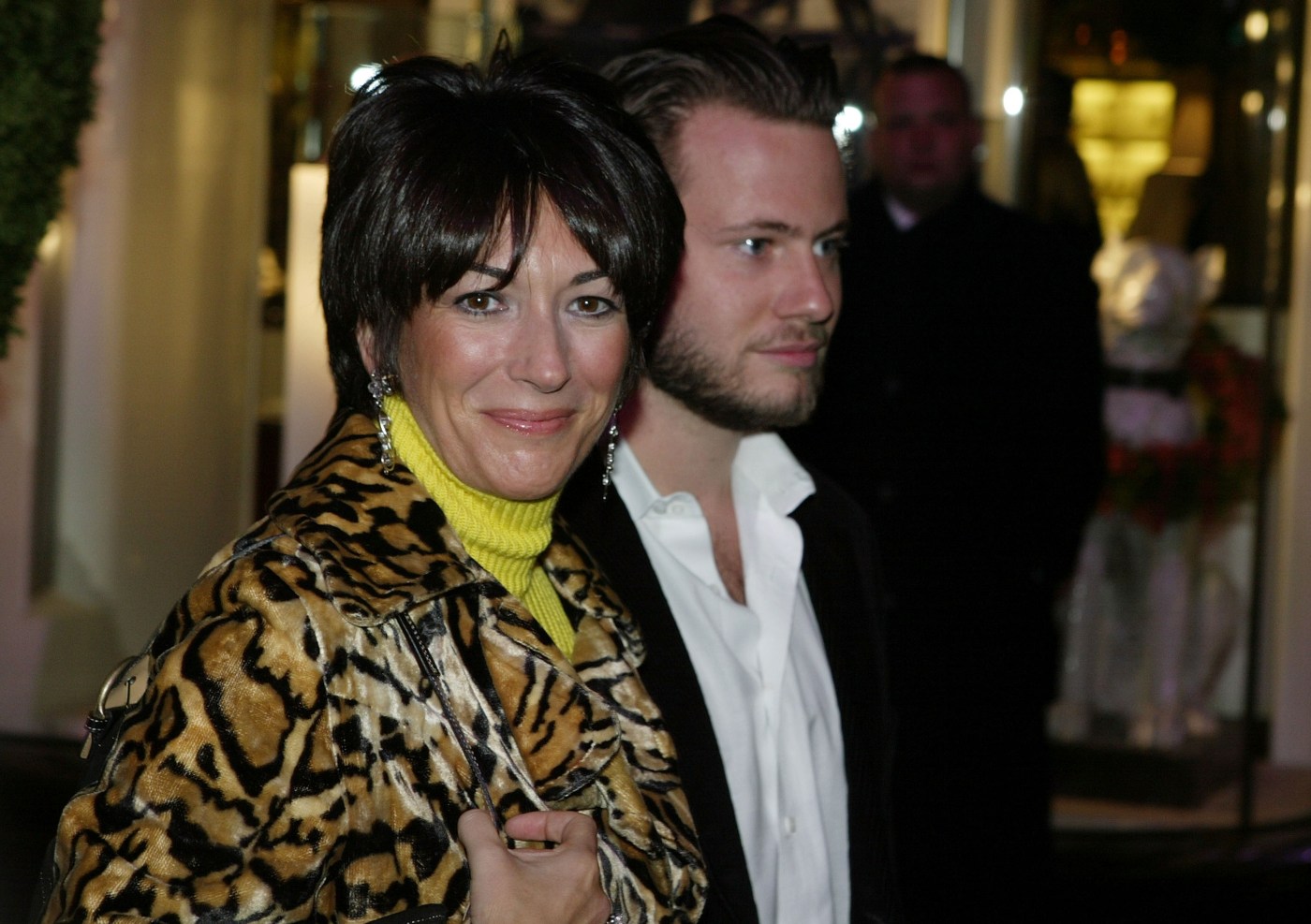
NEW YORK — Transcripts of the secret grand jury testimony that led to the sex trafficking indictment of Jeffrey Epstein’s former girlfriend Ghislaine Maxwell shouldn’t be released, a judge ruled Monday in a stinging decision suggesting the Justice Department’s real motive for wanting them unsealed was to fool the public with an “illusion” of transparency.
Judge Paul A. Engelmayer said in a written decision that federal law almost never allows for the release of grand jury materials and that making the documents public casually was a bad idea.
And the judge also belittled the Justice Department’s argument that releasing grand jury materials might reveal new information about Epstein’s and Maxwell’s crimes, calling that premise “demonstrably false.”
The decision about the grand jury transcripts doesn’t affect thousands of other pages the government possesses but has declined to release.
After privately reviewing the materials the government sought to release publicly, the judge wrote that anyone familiar the evidence from Maxwell’s 2021 sex trafficking trial would “learn next to nothing new” and “would come away feeling disappointed and misled.”
“The materials do not identify any person other than Epstein and Maxwell as having had sexual contact with a minor. They do not discuss or identify any client of Epstein’s or Maxwell’s. They do not reveal any heretofore unknown means or methods of Epstein’s or Maxwell’s crimes,” Engelmayer said.
He said the materials also don’t reveal new locations where crimes occurred, new sources of Maxwell and Epstein’s wealth, the circumstances of Epstein’s death or the path of the government investigation.
The best argument to release the transcripts might be that “doing so would expose as disingenuous the Government’s public explanations for moving to unseal,” Engelmayer wrote.
“A member of the public, appreciating that the Maxwell grand jury materials do not contribute anything to public knowledge, might conclude that the Government’s motion for their unsealing was aimed not at ‘transparency’ but at diversion — aimed not at full disclosure but at the illusion of such,” he said.
The Justice Department had requested public disclosure of the entire proceedings before the Maxwell grand jury, minus redactions to protect privacy.
Florida lawyer Brad Edwards, who has represented nearly two dozen Epstein accusers, said he didn’t disagree with the ruling and most wanted to protect victims. “The grand jury materials contain very little in the way of evidentiary value anyway,” he said.
Maxwell lawyer Bobbi Sternheim declined comment. Messages for comment were left with the Justice Department.
Federal prosecutors had asked to unseal the documents to calm a whirlpool of suspicions about what the government knows about Epstein, a well-connected financier who authorities said killed himself in 2019 while awaiting trial on sex trafficking charges involving dozens of women and girls as young as 14. Maxwell, a socialite, was later convicted of helping him prey on underage girls.
More Stories
John Lewis chairman’s pay climbs 21% to £1.2m as 3,300 roles disappear across the partnership
There is never an easy way to announce a hefty pay rise at the top while headcount is falling on...
Britain smashes solar records as ministers greenlight country’s largest solar farm
Britain’s solar sector delivered a statement of intent this week, smashing generation records on back-to-back days as ministers gave the...
The spectre of stagflation returns as Britain’s private sector grinds to a near-halt
The uncomfortable echoes of 2022 are growing louder. Britain’s private sector expanded at its weakest pace in six months during...
New AI too dangerous for public release – Anthropic
The startup reportedly formed Project Glasswing with Big Tech partners and is discussing the model’s capabilities with the US government...
UK petrol prices approach 155p a litre as Iran conflict drives fuel costs to highest level in over two years
Petrol prices across the United Kingdom have climbed to an average of 154.65p per litre, marking the highest level since...
New North Sea oil fields would “send a shock wave around the world”, climate experts warn
Britain’s standing as a global climate leader faces a critical test as senior figures in international diplomacy have warned that...