
How the other half lived: Explore some of America’s most famous mansions

Mansions are fascinating, oozing with extravagant opulence or dripping with Southern charm and magnificent splendor, like the plantation homes in the South.
It’s fascinating to walk inside these stately residences and wonder about the secrets they hold. And of course, it’s delightful to stroll the lush gardens that surround many of these glorious structures, filled with colorful roses, fragrant wisteria and the wafting scents of magnolia blossoms.
Here are some of the most impressive places to visit.
The Breakers
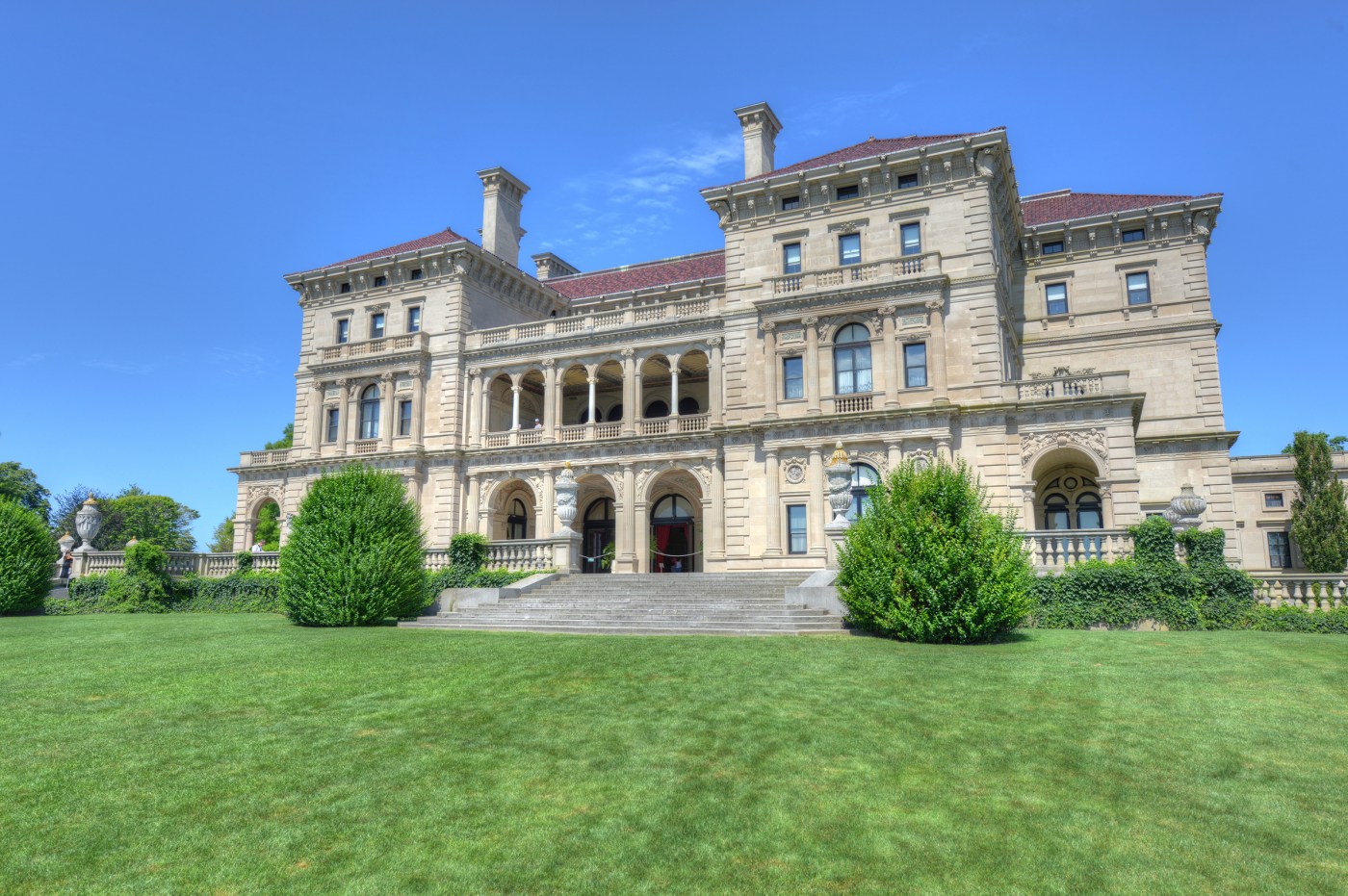
There is certainly no shortage of Gilded Age mansions in Newport, Rhode Island, but The Breakers is the crown jewel of them all.
This grand 70-room Italian-Renaissance-style mansion was built between 1893 and 1895 for Cornelius Vanderbilt II, heir to America’s fortune in railroads. The stunning chateau occupies 14 acres overlooking Easton Bay, marked by ornate iron gates and a limestone wall, offering breathtaking ocean views. Though the construction cost was over $7 million in the 1890s, the mansion is valued at well over $150 million today.
Rosecliff
If visitors have time to take in more than one Newport mansion, Rosecliff should be next on the list. The property is named for the rose gardens planted along Newport’s stunning Cliff Walk. The French Baroque Revival “summer cottage,” was inspired by the Grand Trianon at Versailles with a distinctive H-shaped layout, white terracotta façade and paired Ionic pilasters and served as a backdrop to many films, including “The Great Gatsby” in 1974.
The mansion boasts Newport’s largest private ballroom, a heart-shaped double staircase, a French Renaissance-style salon with a limestone fireplace, wood-paneled library for gentlemen and ornate chandeliers.
Biltmore Estate
Located in Asheville, North Carolina, the French Renaissance–château–style residence built from 1889-1895 by George Washington Vanderbilt II consists of 250 rooms, including 35 bedrooms, 43 bathrooms, 65 fireplaces, an indoor swimming pool and a bowling alley. The French château’s architecture includes steep roofs, towers and turrets with conical roofs and arched windows and doors.
Technically advanced for its era, the estate was powered by Edison light bulbs, equipped with a fire alarm system, elevators, telephone, indoor plumbing, heating and electricity.
The château originally sat on 125,000 acres, but today about 8,000 acres encompass the house, formal gardens, winery, Antler Hill Village and 22 miles of trails. The massive estate remains under the control of Vanderbilt’s descendants.
Henry Morrison Flagler Museum
Also, known as Whitehall, the neoclassical Beaux Arts structure named after American industrialist Henry Morrison Flagler and located in Palm Beach, Florida, was modeled after grand European palaces of the Renaissance and Baroque eras.
Completed in 1902 as a lavish wedding gift to his third wife, Mary Lily Kenan, the estate boasts a grand façade with massive marble columns, pedimented portico, arched windows and a signature red-tile barrel roof. The awe-inspiring mansion is composed of 75 rooms across three stories with grand marble floors, walls and columns. Spacious rooms that include the library, music room, billiard room, dining and ballroom are all arranged around the central courtyard.
An 8,100 square-foot railway palace-style pavilion houses Railcar No. 91, Flagler’s private luxury railcar built in 1886 for his exclusive use while overseeing the expansion of his Florida East Coast Railway empire.
Magnolia Plantation
One of America’s oldest plantations, Magnolia was established in the 1670s as a rice plantation featuring extensive dikes and earthworks built by enslaved Africans with a link to the Gullah culture. Post Civil War, the property shifted to horticulture.
After a layered history of destruction and rebuilding, Magnolia Plantation and Gardens is Charleston, South Carolina’s most visited plantation and still renowned for its 66 acres of magnificent botanical gardens and waterways. The Victorian-style farmhouse with Gothic Revival elements features a broad wraparound porch, gabled rooflines, ornamental woodwork, large bay windows and a steeply pitched roof.
Boone Hall Plantation
Located in Mount Pleasant, South Carolina just outside of Charleston, Boone Hall is one of the most iconic and visually stunning plantations in the U.S. Founded in 1681, it’s one of the oldest continuing operating plantations in America offering a deep dive into both Southern grandeur and the painful history of slavery.
One of the plantation’s top draws is the iconic Avenue of the Oaks with over 80 live oak trees dripping with Spanish moss. The quarter-mile entrance is one of the most photographed spots in the South, featured in films like “The Notebook” and mini-series “North and South.”
The current main house was built in 1936 in Georgian Revival style replacing earlier structures but still maintains antebellum aesthetics with historic furnishings. The preserved row of original brick slave cabins now houses the powerful “Black History in America” exhibit which chronicles the lives of the slaves who lived and worked on the property. The Gullah Theater Presentation shares the cultural contributions of the Gullah people through live storytelling, song, and language — an essential feature of Lowcountry heritage.
Visit at travelpulse.com/Tribune News Service
The Henry Morrison Flagler Museum. (Dreamstime/TNS)
Biltmore Estate, Asheville, North Carolina. (Dreamstime/TNS)


More Stories
Easter and Eid collision sends British lamb prices to a record high
Supermarket shoppers face paying more than £16 per kilo for a leg as overlapping religious festivals, shrinking flocks and buoyant...
Vince calls on Miliband to halt North Sea oil exports as Iran war rattles supply
One of the Labour Party’s most prominent financial backers has called on Ed Miliband to slam the brakes on North...
Reform UK becomes first British political party to launch its own podcast
Reform UK is venturing into podcasting with a weekly show that will offer listeners behind-the-scenes access to Nigel Farage and...
Labour’s tax uncertainty is pushing Britain’s wealthiest towards the exit
The majority of Britain’s ultra-wealthy individuals are actively weighing up whether to leave the country, driven not so much by...
Barclays bets on the high street once more with new branches and the return of the bank manager
Barclays is charting a decisive U-turn on the high street, with plans to open new branches across the country and...
Amazon bets on Whole Foods to salvage its troubled UK grocery ambitions
Amazon is dusting itself off for another tilt at Britain’s fiercely competitive grocery sector, this time by converting its abandoned...