
Massachusetts energy bills to be hotter than the temperature with rate spike

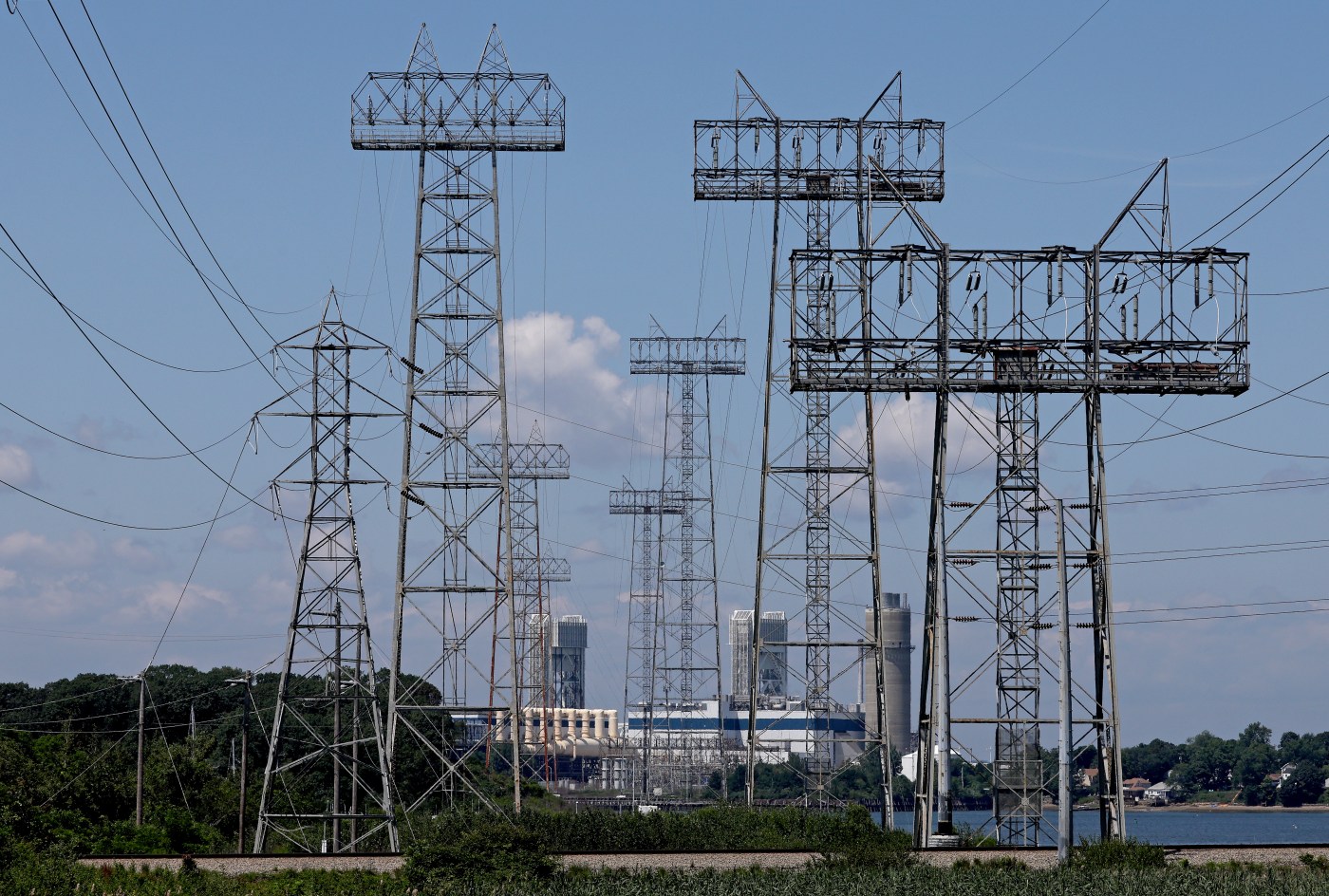
You might want to turn down your air conditioner — electrical rates are getting hot.
Massachusetts’ two primary energy utilities, Eversource and National Grid, both raised their rates this month.
Eversource raised its rates more than a cent per kilowatt hour, from 13.2 to 14.8 cents per kWh, a 12.3% increase, and National Grid raised its rates from 14.6 to 15.4 cents per kWh, a 5.5% increase. Eversource says it sets its rates twice a year: at the start of February and the start of August.
A spokesman for Eversource said that “for a typical residential customer who uses 600 kilowatt hours per month, we estimate they would see a total bill increase of about $9.85.”
The rate changes are for customers on the “Basic Service” plan, which, according to the Massachusetts Executive Office of Energy and Environmental Affairs, includes only 31% of residential customers, with 50% instead getting their supply through municipal aggregation and about 19% directly from a retail supplier.
That’s the case for Boston and a lot of the Eastern Massachusetts region, according to Eversource spokesman William Hinkle. He said about 80% of customers in the region, including “almost all of the city of Boston,” receive their energy from municipal aggregation programs.
“I think it’s important for people to understand if they’re consuming this information, that it’s highly likely that if you live in Eastern Massachusetts, this rate change does not impact your supply rate because you’re not receiving that supply from Eversource,” Hinkle said.
Municipal aggregation is a system in which a municipality uses the power of group purchasing to secure lower rates from the provider than if customers were to buy directly from the utility itself.
In such a system, Newton Power Choice explains, “you remain an Eversource customer. … However, Eversource no longer supplies (buys) your electricity. As a result, you no longer have Eversource’s Basic Service price for the Supply portion of your electric bill.”
Utilities tracker ElectricityRates.com attributes the increase to “rising wholesale electricity prices due to global natural gas demand and market volatility, higher summer demand for electricity, and ongoing investments in grid infrastructure and reliability.”
What’s to blame?
Regardless of the realities of what ends up on a customer’s final bill, the fact that the rate has gone up amid a series of temperature spikes is leaving at least some observers frustrated with policy choices that could have gotten the commonwealth into this situation.
“Massachusetts already has some of the highest electricity rates in the country, and now they’re about to get even worse. High energy prices act as tax and hurt low and middle-income ratepayers the most,” said Paul Diego Craney, Executive Director for the Massachusetts Fiscal Alliance.
“This isn’t happening by accident. It’s the direct result of bad legislative policy and Governor Maura Healey’s rigid and overly ideological energy agenda,” Craney continued.
Craney’s Massachusetts Fiscal Alliance, a nonpartisan organization that advocates for conservative spending and government transparency, points toward “Beacon Hill’s alternative energy mandates” as a direct driver for increasing rates.
“Whether it’s offshore wind boondoggles, costly net zero mandates, or the refusal to embrace reliable and affordable energy options, this administration keeps pushing the same highly flawed policies and ratepayers are footing the bill,” Craney said. “Governor Healey and those in the legislature that championed the NetZero by 2050 mandate owe it to the ratepayers to disclose how much this mandate will eventually cost and who is going to pay for it.”
But the Healey administration pushes back on that assertion, saying that its proposed Energy Affordability, Independence & Innovation Act would cut back Basic Service Rates enough to save energy customers between $600 million and $780 million over 10 years.
“Massachusetts residents and businesses can’t afford energy rate increases like these. Governor Healey’s energy affordability legislation would specifically prevent this scenario from happening, which is why we’re working hard to pass this bill as soon as possible,” Energy and Environmental Affairs Secretary Rebecca Tepper said.
The proposed legislation’s goal is to expand “the state’s authority to procure energy and accelerate the development of local resources by removing barriers to building and purchasing more clean energy and getting the best prices,” according to an administration fact sheet.
The state seeks to do that by replacing the private utility companies with the state Department of Energy Resources as the contracting authority — making DOER able to “directly conduct solicitations and secure contracts to purchase clean energy.” The Healey administration further asserts that such a situation would allow for flexibility in energy generation since it wouldn’t be pegged to global events — like the war in Ukraine — that leads to spikes in fossil fuel prices.
Finally, the bill paves the way for nuclear energy in Massachusetts by repealing a 1982 law that requires a statewide ballot initiative to approve new nuclear facilities in the state.
Herald reporter Chris Van Buskirk contributed to this report.

More Stories
Late-paying firms face multimillion-pound fines under new crackdown
Large UK companies that repeatedly delay paying suppliers will face multimillion-pound fines under sweeping new legislation aimed at tackling late...
UK pubs making just 3p profit per £1 as rising costs squeeze margins
UK pubs are facing a deepening profitability crisis, with new analysis suggesting that for every £1 spent on a pint,...
Zevero raises $7m as demand for carbon data platforms accelerates globally
Climate tech firm Zevero has secured $7 million in new funding as global demand for robust carbon data and ESG...
Companies House disciplines over 100 staff amid compliance concerns
Companies House has disciplined more than 100 employees over the past three years for breaches of internal policies, according to...
US bans new foreign-made routers over national security fears
The United States has moved to ban new foreign-made consumer internet routers, citing mounting national security concerns over cyber vulnerabilities...
Royal Mail staff allege pressure to hide undelivered post to meet targets
Postal workers across the UK have accused Royal Mail of encouraging practices designed to make delivery performance appear stronger than...