
MN rebates checks will be taxed by federal government this year

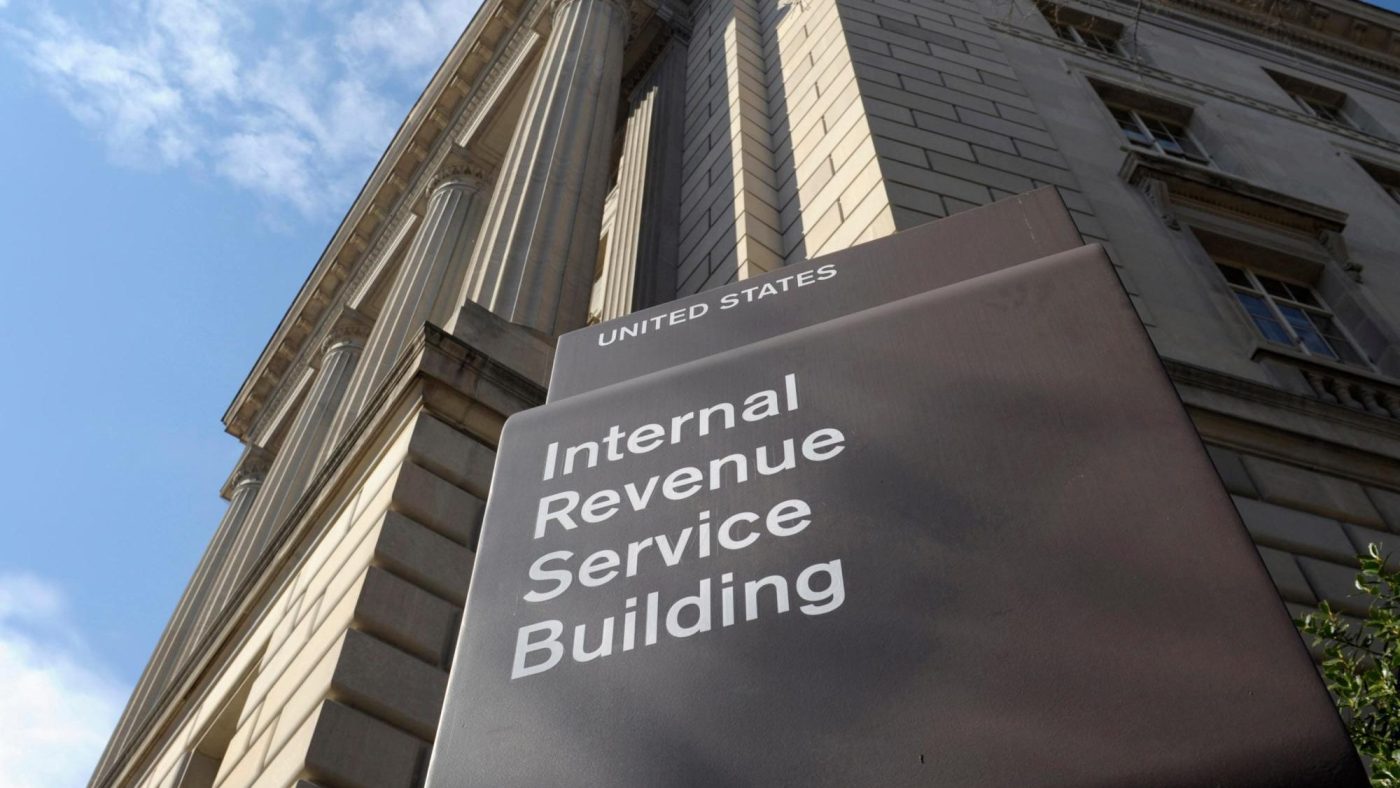
Despite pleas to the Internal Revenue Service from Gov. Tim Walz and members of Minnesota’s Congressional delegation, Minnesotans will have to pay taxes on the rebate checks the state distributed last year.
Minnesota elected officials hoped they could convince the IRS to exempt the one-time payments as disaster relief, even though they were approved by state lawmakers and the governor after the May 11 end of the federal COVID emergency.
But in a written response to Minnesota Republican Congressman Pete Stauber and others this month, IRS Commissioner Daniel Werfel said the payments don’t qualify for any tax exemptions.
U.S. Rep. Peter Stauber, R-Minn.
“The legislative record does not provide the kind of clarity we need to conclude that the legislative purpose of the one-time payments was to provide relief from the COVID-19 pandemic,” Werfel wrote in a letter the congressman posted online this week.
Beyond the disaster relief, Werfel also said the rebates can be taxed because they don’t qualify for a “general welfare” exclusion, as the income cut-off points for checks – starting at $75,000 for a single filer — were too high.
Taxes from $26 to $286 on rebates
Walz on May 24 signed a $3 billion tax bill authorizing an estimated $1.1 billion in one-time tax rebates for more than 2 million Minnesotans. The final amount ended up being just less than $1 billion.
Single filers earning up to $75,000 a year were eligible for $260 checks, joint filers earning up to $150,000 were eligible for $520 checks, and households got $260 for each dependent up to three. A married couple with three children could receive up to $1,300.
By the end of the summer, Minnesotans started receiving payments. But unlike the many other big cash payouts from the government that many became accustomed to during the pandemic, this one was not tax-exempt.
And because they aren’t exempt, Minnesotans may end up having to pay anywhere from $26 to $286 on their rebate checks, depending on the size.
Many other states were able to get similar checks exempted from federal taxes. Werfel noted the IRS provided “broad administrative relief” for state payments made in 2022.
Walz, Stauber, Craig fail to sway IRS
Gov. Tim Walz speaks on state budget projections on Tuesday, Dec. 6, 2023, at the Department of Revenue in St. Paul. (Alex Derosier / Pioneer Press)
At a December news conference, Walz said he was working to address the issue with federal officials and even called the taxes on the checks “bulls—.”
“Minnesota is being treated unfairly in this,” he said. “They picked an arbitrary date to end the emergency on May 11.”
Congresswoman Angie Craig, a Democrat representing the south metro suburbs, also pushed the IRS to make an exemption for Minnesota.
“I’m disappointed in the IRS’ decision. Minnesotans already pay more in federal taxes than we get back,” she said in a statement.
Rep. Angie Craig, D-Minn. (Courtesy of the candidate)
Stauber blamed the IRS’s rejection on DFL lawmakers in control of state government with a historic $17.6 billion surplus.
“I implore you to take stock of my constituents as good, hardworking people who should not be unduly punished for the failures and delays of their state leadership,” Stauber said in a letter to the IRS.
Related Articles
White farmer sues Minnesota, alleging racial discrimination over grant program
Wisconsin election officials urge state Supreme Court to reject Phillips’ effort to get on ballot
Ramsey County judge appointed to Minnesota Court of Appeals
Republican Navy vet launches Senate bid against Amy Klobuchar
What are the odds for legal sports betting in Minnesota this year?


More Stories
Firstwork raises $15m to automate onboarding for frontline workers
Firstwork, a New York-based AI company that automates hiring checks for frontline staff, has raised $15m in a Series A...
Fr. Ranjan D’Sa: Leadership Lessons From a Decade in Parish Ministry
It means managing people, money, and programs, year after year, in a community that expects both stability and growth. That...
UK inflation rises to 3.5 per cent as public debt passes £3trn
UK inflation rose to 3.5 per cent in September, its highest rate for 11 months, as separate figures published today...
Alaa Jaber on Building a Career on His Own Terms
Building a career through self-employment meant learning to make decisions without always having a supervisor, an established process, or a...
Ralph Opacic Leads a Second Act in Orange County Arts Education
Ralph Opacic spent six years teaching choral and vocal music at Los Alamitos High School before he decided a classroom...
Music collaboration app CHAOS raises £1m ahead of public launch
CHAOS, a London-based app that brings music creators’ messaging, files and live writing sessions into one place, has raised £1m...