
HMRC late payment interest rises to 8 per cent after rate rise

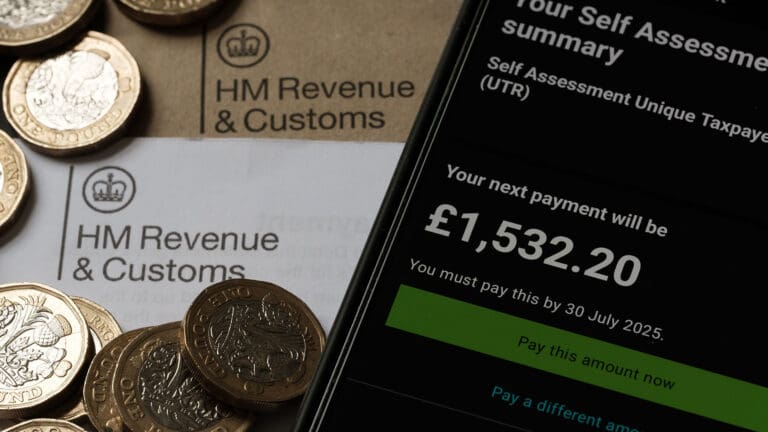
HMRC is now charging 8 per cent interest on late tax payments, after the Bank of England raised its base rate from 3.75 per cent to 4 per cent on 5 November.
The new rate applies to most taxes from 24 November, according to HMRC. The interest HMRC pays on overpaid tax rose to 3 per cent from the same date. Revised rates for corporation tax quarterly instalment payments took effect on 16 November.
The rise reverses a cut made at the start of the year. HMRC’s published interest rate tables show late payment interest was set at 7.75 per cent and repayment interest at 2.75 per cent from 9 January 2026.
HMRC sets late payment interest at the base rate plus four percentage points, and repayment interest at the base rate minus one point, with a floor of 0.5 per cent. The rates are set in legislation and linked to the Bank of England base rate.
HMRC has said the late payment rate encourages prompt payment and is fair to those who pay on time, while the repayment rate compensates taxpayers for the loss of use of money they overpay. It has also said the gap between the two follows the approach of other tax authorities and compares favourably with commercial loan and overdraft rates.
George Holmes, managing director of business finance specialists Aurora Capital, said a small business that falls behind on its tax bill now pays HMRC 8 per cent interest, while HMRC pays 3 per cent when it owes money back.
“That gap feels hard to justify for owners who are already working hard to stay on top of their bills,” he said.
The difference between the two rates has been raised before. When HMRC cut late payment interest to 7 per cent in February 2025, it was paying 3.5 per cent on tax refunds.
Holmes linked the issue to late payment between businesses. “Many firms only fall behind with HMRC because their own customers pay them late, and larger businesses and public bodies are often among the slowest payers,” he said.
“Small businesses can end up absorbing everyone else’s delays, then face extra costs when the VAT bill arrives.”
Huw Pill, the Bank of England’s chief economist, signalled in an interview with the Financial Times this month that he was set to vote for another quarter-point increase in December, Reuters reported. Pill told the newspaper the Bank would probably need to raise rates further in 2027.
Holmes said the higher cost of tax debt was arriving alongside dearer commercial credit. “Overdrafts, loans and asset finance are becoming more expensive at the same time, just as many firms head into a quieter Christmas with limited cushion,” he said.
“The higher late payment rate introduced last year is now being felt more sharply.”
Businesses that cannot pay a tax bill in full may be able to set up a payment plan with HMRC, known as a Time to Pay arrangement, and pay in instalments. HMRC checks whether a plan is affordable before agreeing to it, and expects the full amount to be paid if no plan can be agreed.
Holmes called for the arrangements to be easier to access. “Making Time to Pay arrangements quicker to set up and better publicised would make a real difference, as the businesses that need them most are often too stretched to go looking,” he said.


More Stories
Poundland collapses into administration with 11,000 jobs at risk
Poundland has collapsed into administration, putting 11,000 jobs at risk, after its owner Gordon Brothers failed to find a buyer...
AI has cut daily working time, say 43 per cent of UK bosses
More than four in 10 UK directors and senior managers say artificial intelligence has reduced the amount of time they...
How DATA.BET Grew From Esports Odds to Four Betting Verticals
Esports turnover rose 70.6% over the same period. DATA.BET, a B2B sportsbook solution supplier for esports, sports, virtual sports, and...
Aqura Systems raises £2.1m for AI fish farm robot and names chair
Scottish aquatech company Aqura Systems has raised £2.1m to develop its AI-powered robotic monitoring platform for fish farms, and has...
Smaller business borrowing rises 5.2 per cent amid investment backlog
Lending to smaller businesses rose 5.2 per cent year-on-year in the third quarter, according to the latest Barclays Business Prosperity...
Spain tops digital nomad index as 20 of 56 routes lead to residency
Spain has been ranked the leading destination for remote workers for the third consecutive year, according to the Global Digital...