
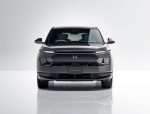
Honda Avancier Debuts With Hybrid AWD Hinting at What’s Next for the U.S.

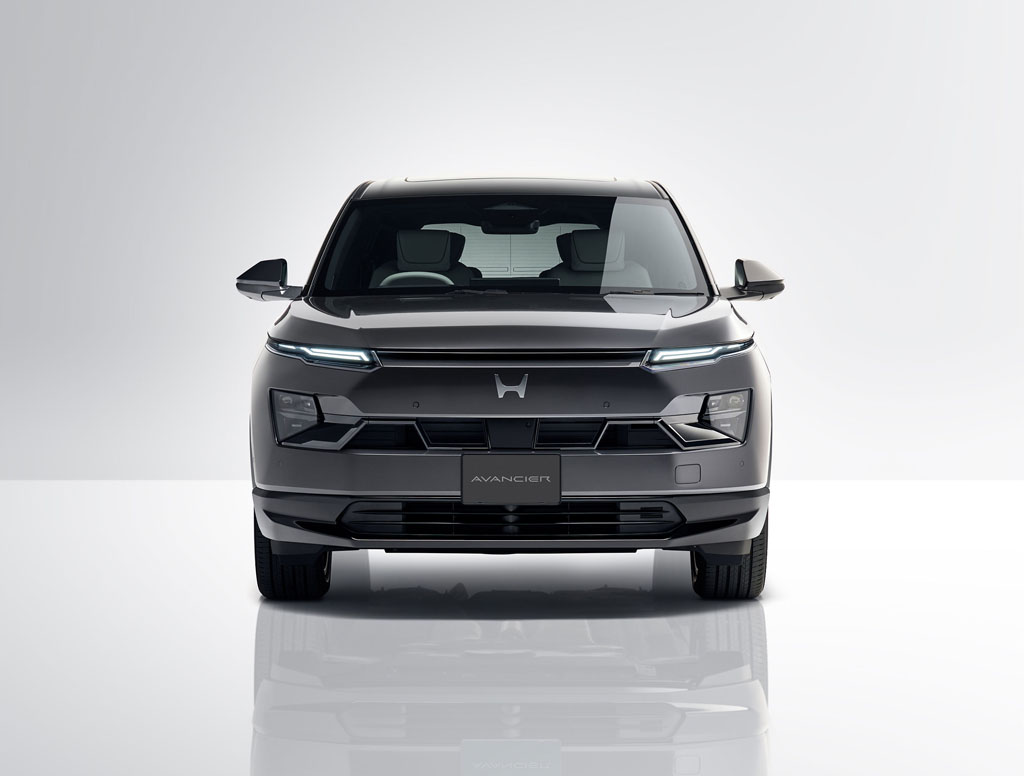
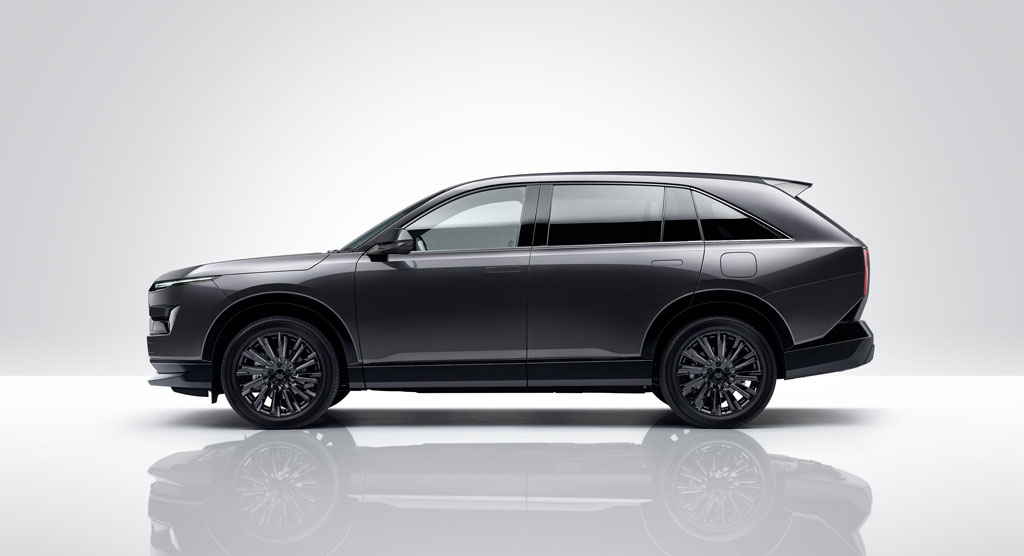
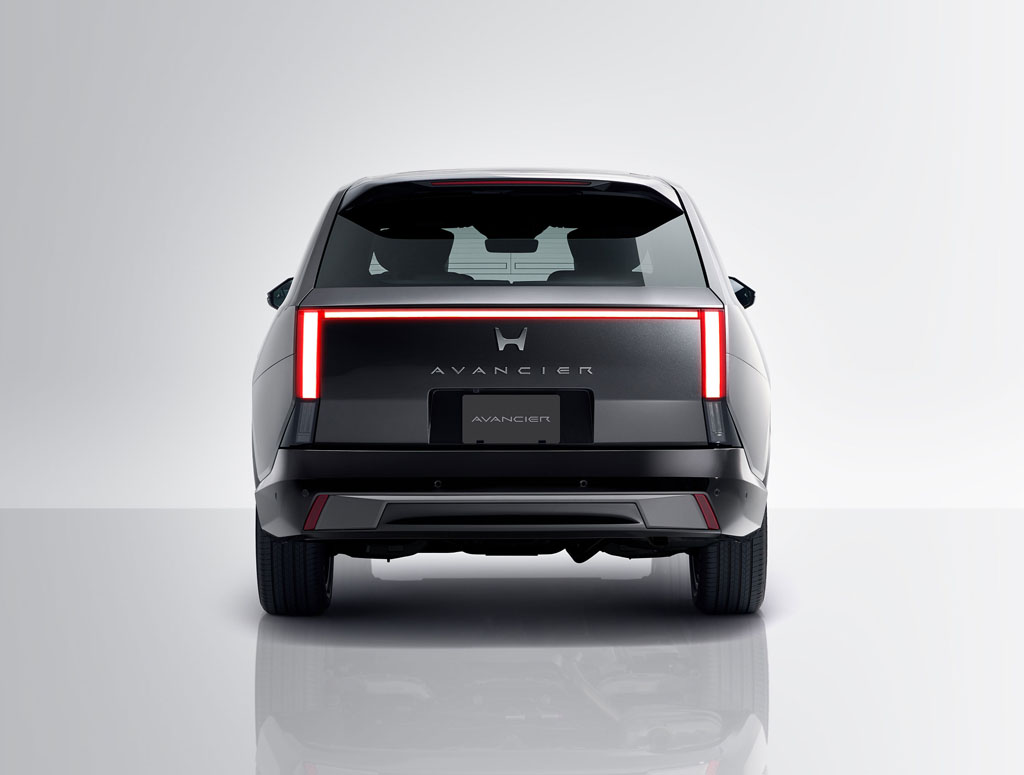
Honda’s newest three-row SUV isn’t headed to American showrooms, at least not on any schedule the company has announced. But the Avancier is worth a look even if it never shows up at a Honda dealer here. Revealed on November 20, the SUV is the first production model to use Honda’s next-generation two-motor hybrid system, and it introduces an electric all-wheel-drive setup that could have more relevance to U.S. buyers than the name on the tailgate.
Honda says the updated hybrid system uses a smaller drive unit and can keep the gas engine operating efficiently across a wider range of conditions. The more interesting change is at the rear axle. With DualPower eAWD, separate motors can drive the front and rear axles independently, letting Honda vary how much power goes to each end as conditions change. That could be useful when you’re pulling away on a slick uphill road with a full cabin. Honda hasn’t released horsepower, torque, or fuel economy figures, so how much the new system improves on today’s hybrids is still an open question.
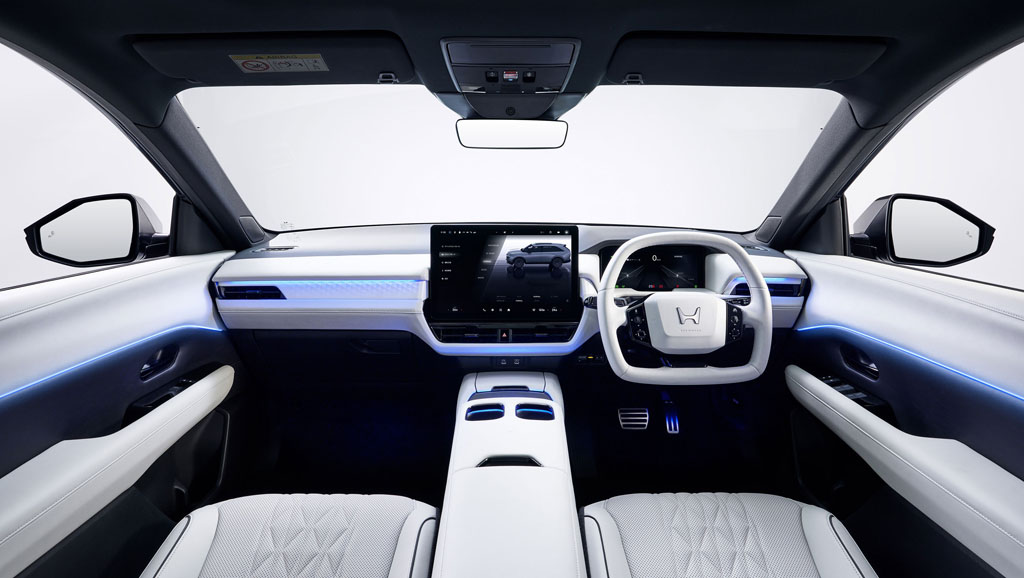
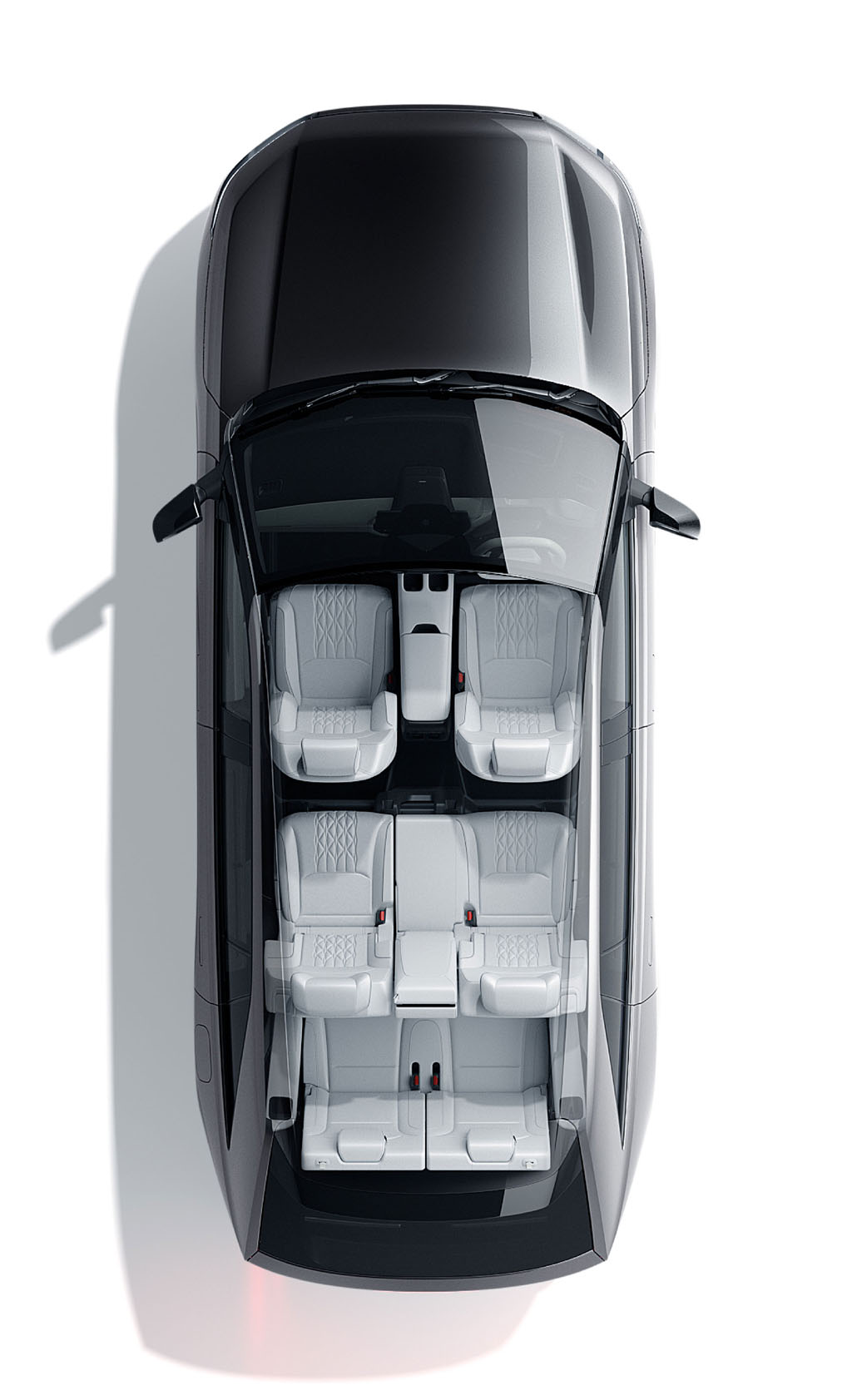
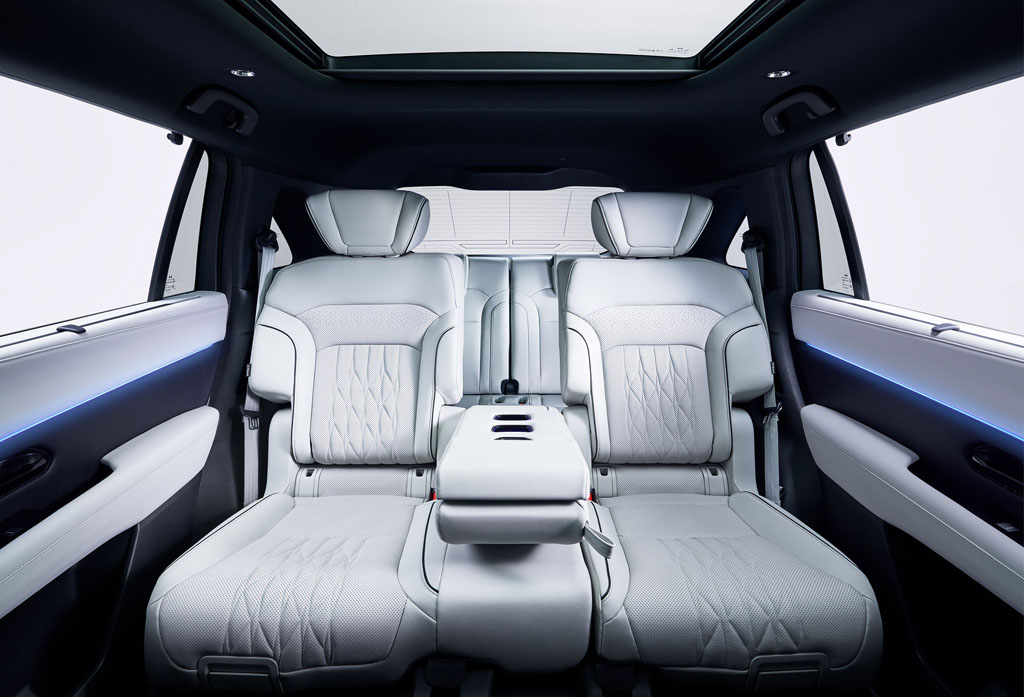
The Avancier also introduces a new midsize platform designed to serve both SUVs and sedans. Honda uses roughly 40 percent more high-tensile steel than in its outgoing architecture, with the aim of stiffening key areas while cutting weight elsewhere. There’s a new H badge and a 12-speaker Bose system with Dolby Atmos, but we’re more curious about how the new structure and rear motor work together on a rough road. A family SUV doesn’t need to feel sporty. It does need to stay composed when the pavement gets ugly and all three rows are occupied.
There’s a connection to the $462 million Alabama investment we covered at Automotive Addicts, but it isn’t that the Avancier is getting an Alabama-built V6. Honda’s investment supports production of a new V6 hybrid engine for larger vehicles, while the Avancier shows off another part of the company’s hybrid strategy: a more compact drive unit, independently powered axles, and a platform designed to underpin multiple models. Taken together, the two announcements offer a better picture of Honda’s plans than either does alone. The company isn’t betting on one hybrid setup to do every job.
Thailand gets the Avancier first, with Japan due to follow in spring 2027 and China and other markets also on the rollout list. Honda plans to introduce 15 next-generation hybrids worldwide by the end of March 2030, but it hasn’t confirmed a U.S. launch for this SUV. For American buyers, the question worth watching isn’t whether Honda brings over another three-row nameplate. It’s which of the ideas underneath the Avancier make it into the Hondas and Acuras we can actually buy.

More Stories
2027 Toyota Sienna Gets More Hybrid Power and Targets 39 MPG in the City
You might walk right past the 2027 Toyota Sienna without realizing it’s the updated one. Unless it’s wearing the new...
Waymo Pauses Driverless Freeway Rides Nationwide After California Ban
Waymo’s robotaxis are staying off freeways for now, and not just in California. The company suspended paid driverless freeway rides...
Genesis Wants to Build Its 1,100-HP X Skorpio Off-Roader
The Genesis X Skorpio looked like the kind of concept you enjoy for five minutes before reminding yourself it’ll never...
6 Auto Repair Shops Bowling Green Drivers Can Rely On in 2027
Picking an auto repair shop usually comes down to one question: do you trust the person telling you what’s actually...
How to Identify the Correct Repair Guide for Your Garden Equipment
A repair guide can save you time, money, and a fair amount of frustration—but only if it is the right...
How to Evaluate Guest Posting Sites in the Automotive Space
For a garage, parts supplier, motoring service or automotive publisher, reaching readers beyond your own website can be worthwhile—but only...