
UK debt interest payments hit £11.2bn, highest October on record

The government spent £11.2bn on debt interest payments in October, the highest total for the month since records began in 1997, according to figures published today by the Office for National Statistics (ONS).
The figure was £2.8bn higher than in October last year. Borrowing in the financial year to October reached £111.3bn, which was £3.3bn above the latest available forecasts from the Office for Budget Responsibility (OBR), the UK’s spending watchdog.
Monthly borrowing fell to £17bn in October from £22.9bn in September, lower than analysts had expected. According to the ONS public sector finances bulletin, the October figure was £0.8bn higher than in the same month a year earlier.
Rising inflation drove up the cost of servicing the debt, because a large share of the UK’s debt stock is tied to the retail prices index (RPI). The RPI, an older measure of inflation, has risen sharply in recent months due to the war in the Middle East.
Between April and October, debt interest spending reached £71.9bn, the ONS said, up 7.4 per cent on the same period last year. Debt interest payments had already reached a record £10.3bn in April, the first month of the financial year.
At last month’s budget, the OBR predicted that annual debt interest spending could reach £160bn by the 2030s, which would make it one of the government’s largest outlays.
Higher spending on benefits has also kept public borrowing elevated. Welfare expenditure totalled £205bn between April and October, the ONS said, up 6.6 per cent on the same period in 2025.
Tax revenues rose by £40.5bn, or 6.6 per cent, to £650bn over the same period. Corporation tax receipts increased by 15.5 per cent and income tax revenue rose by £14bn.
Debt as a share of the economy rose by 1.9 percentage points over the past year to 95.8 per cent of GDP in October, according to the ONS. In cash terms, public sector net debt was more than £3trn.
Public sector net financial liabilities, the government’s preferred measure of public debt, rose by 2.4 percentage points over the same period to 84.5 per cent of GDP.
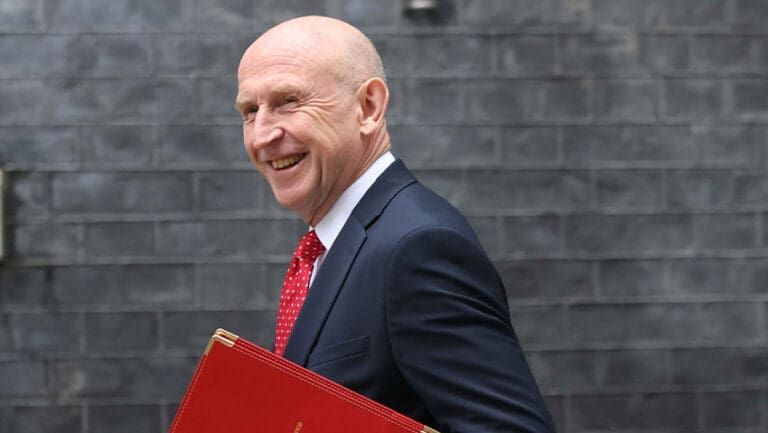
The chancellor, John Healey, opted for a small-scale budget on 28 October that included tax rises on banks, savers and landlords. It reduced the fiscal headroom to £14.5bn from close to £24bn.
His decisions raised government borrowing in most years of the OBR’s forecasts, even though the tax burden is on course to reach a post Second World War high of well over 40 per cent of GDP.
Before the budget, borrowing had already come in above the OBR’s forecast in July, when the government borrowed £1.8bn against a forecast surplus of £500m.
According to forecasts from the International Monetary Fund, Britain is on course to reduce its deficit at one of the fastest paces of any rich economy. Those plans rely on spending cuts due to take effect close to the next scheduled general election in 2029, cuts which economists doubt will occur.
Analysts at Pantheon Macroeconomics, a research consultancy, said: “The October budget did little to address the more serious challenges facing the public finances, so we continue to have doubts about the government’s ability to follow through on its fiscal plans, suggesting upside risks to borrowing in the coming years.”
The government has also committed to substantially increasing defence spending without setting out how it plans to fund the additional expenditure.
Emma Reynolds, chief secretary to the Treasury, said in response to the ONS data: “Fiscal discipline underpins the decisions this government makes everyday. Britain is showing stand-out resilience despite the global impact of the conflict in Iran. We’re building on that.”
The yield on the benchmark 10-year UK government bond fell by 0.04 percentage points to 5.27 per cent today. The pound rose by 0.14 per cent against the dollar to $1.31, while London’s FTSE 100 fell by 0.42 per cent.


More Stories
Royal Mail set to miss first-class delivery target for fourth year
Royal Mail is on course to miss its first-class delivery target for a fourth consecutive year after delivering 82.5 per...
Tens of thousands of UK fridges secured from hackers in secret drive
Tens of thousands of fridges and freezers at UK supermarkets, warehouses, restaurants, petrol stations and stadiums have been secured against...
UK stocks are “best hiding place” as AI bubble nears burst, says broker
Panmure Liberum has told investors it is “adopting a fully defensive position” and warned that the “AI bubble is about...
UK and EU agree food, youth mobility and emissions deals at summit
The UK and the EU today agreed a new deal covering food exports, youth mobility and carbon emissions, with legislation...
Major US banking and payment firms hit by customer data leak – media
Thousands of email addresses and other personal details of Visa, Mastercard, and JPMorgan customers have been exposed in a cyberattack...
How to Choose a best Dental Clinic Turkey: Top 10 Dental Clinics in Turkey
This guide reviews 10 top dental clinics in Turkey for 2026, led by Vitrin Clinic in Istanbul. Key Takeaways: The...