

Glen Morgan on late payment, credit control and £1bn recovered

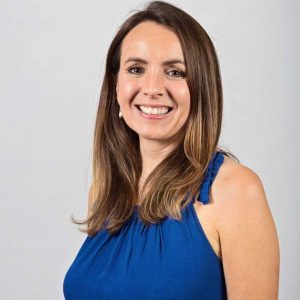
Glen Morgan is the CEO and founder of itsettled by Credebt, a Bristol-based business that helps companies tighten their order-to-cash processes, reduce overdue debt and improve cashflow. A credit manager for more than 30 years, he founded receivables specialist Credebt in 2009 and launched itsettled by Credebt in January 2026 to bring that expertise directly to businesses. The timing is apt: the Commercial Payments Bill, introduced to Parliament on 19 May 2026, would cap the payment terms large firms can set for smaller suppliers at 60 days, and the government estimates late payment costs the UK economy around £11bn a year. He tells Business Matters why good credit control is about communication rather than aggression.
What do you currently do at itsettled by Credebt?
I am the CEO and founder of itsettled by Credebt, which helps businesses understand the challenges they are facing and find practical ways to improve their cashflow and working capital.
That might sound relatively straightforward, but the impact of getting it wrong can be enormous. I have seen otherwise successful businesses come under significant financial pressure simply because too much of their cash is tied up in unpaid invoices.
Our approach is about much more than collecting outstanding debt. We look at the whole process, from how a business invoices its customers through to how it manages queries, follows up payments and supports its credit control team. Often, the problems are not particularly complicated, but they have developed over time and nobody has had the capacity or expertise to address them properly.
We typically work alongside businesses for up to three months, improving collections while putting the right people, policies and procedures in place to maintain those improvements. Our aim is to leave them in a strong position where they will never need our help again.
What I find most rewarding is seeing the difference that makes. Better control over cashflow gives owners and finance teams the confidence to concentrate on growth rather than worrying about when money will arrive.
What was the inspiration behind your business?
Credit management is all I have ever done, and after more than 30 years in the industry, I still enjoy it as much as ever. I am the youngest of five children and grew up in a council house, so to now be running a multimillion-pound turnover business that helps so many others really is the stuff of dreams.
My biggest inspiration has been my wife, Ellen. She was studying to be a children’s nurse when we met, and she made me see what a difference one person can make when they care deeply about what they do. Without meeting her, I am not sure I would have achieved anywhere near what I have today.
I originally wanted to be an accountant, but after starting my studies I realised it was not for me and quickly pivoted to credit management. My first role was as a sales ledger supervisor at RAC, and later its credit manager. Working in-house for numerous blue-chip businesses showed me how quickly a sales ledger can deteriorate when a business is growing or resources are stretched. A company can be profitable and have a strong order book, yet still struggle because its customers are not paying on time.
The turning point came when I was made redundant in 2009 and set up my first business, Credebt, which specialises in receivables management and risk for the invoice finance, insolvency and turnaround industries, mainly helping SMEs that did not need full-time, director-level staff. I went from being somebody to nobody and had to build it from scratch, which was much harder than I had anticipated in such a challenging year. Through networking, I started getting referred into businesses by banks and accountants.
Seventeen years on, Credebt employs 15 staff, we have worked on more than 3,000 cases and we have helped recover over £1bn for our clients. In January 2026, I launched itsettled by Credebt to bring that expertise directly to businesses that need practical, focused support to improve their cashflow.
Good credit control is not about being aggressive. It is about communication, consistency, accountability and having the right processes in place. I believe no business should fail simply because it does not have the ability, knowledge or confidence to get paid for its products or services.
Who do you admire?
I have enormous admiration for anyone who runs their own business. Unless you have done it yourself, I do not think you can fully appreciate the responsibility involved. You are looking after employees, keeping customers happy, managing suppliers and making sure there is enough money in the bank to keep everything moving.
Running a business can be incredibly rewarding, but it can also be stressful and, at times, quite lonely. I admire the people who keep showing up, make difficult decisions, look after their teams and keep pushing forward even when things are tough.
You do not have to be running a household-name company to be an impressive entrepreneur. Some of the people I respect most are those quietly building successful businesses, creating jobs and doing their best for the people who depend on them.
Looking back, is there anything you would have done differently?
I think I would have spent less time worrying about the bad weeks, bad months and even the occasional bad year.
A difficult month can feel much bigger than it really is, but when you look back over a number of years, you realise those periods are part of the journey.
That does not mean ignoring problems. You absolutely must deal with them. But there is a difference between responding to a problem and allowing it to consume you. It may sound cheesy, but you really do learn a lot more from problems than from successes.
Regularly sense-check where you are heading. Do you still believe in what you are doing, and are your decisions good for the business in the long term? If the answer is yes, sometimes you just have to accept that not every month is going to be a good one.
I would probably tell my younger self to worry a little less, trust the bigger picture a little more and remember to enjoy the journey.
What defines your way of doing business?
For me, it is quite simple: help people wherever you can, do what you say you are going to do and judge success by the results you deliver.
We have always operated on the principle that if we can help a business, we should, whether or not there is an immediate commercial opportunity in it for us. We give out a lot of free advice; we are not a fee-hungry business. We often become involved when businesses are under pressure, and people need to know they can trust us to give them practical, straightforward advice.
The other thing that defines how I run the business is our output-based management philosophy. I am far more interested in what someone achieves than in how many hours they spend at a desk. If people understand what is expected of them, take responsibility for their work and deliver good results, they should be trusted to get on with it. That does not make accountability any less important. It means being clear about what good performance looks like.
What advice would you give to someone starting out?
Know your numbers, and above all, know your cash position. You can have a fantastic product, a growing customer base and a profitable business on paper, but if you do not have enough cash to meet your commitments, you can find yourself in serious trouble very quickly. Profit and cashflow are not the same thing.
Have an accurate, regularly updated cashflow forecast that you can genuinely rely on: not something prepared once and forgotten, but a working forecast that shows what is coming in, what is going out and where the pressure points might be. Do not assume that because you have issued an invoice, the money will arrive when it is due. Understand your customers’ payment behaviour, how much you are owed, how old that debt is and what you are doing to collect it.
Do not be afraid to ask for advice either; you cannot be an expert in everything. Take the long-term view, keep learning and surround yourself with good people. But whatever else you do, keep a very close eye on your cashflow. A profitable business can still fail if it runs out of cash.
More Stories
Beth Worrall on one million daily users and building VoCoVo on stone
Beth Worrall is chief executive of VoCoVo, the Oxfordshire-founded company whose wireless headsets keep shop-floor teams connected at retailers including...
Hurt in Colorado? What Illinois Visitors Should Know Before Filing a Claim
If you get hurt in a car crash or a fall while you’re out there, a tough question comes up...
When Does Your Business Need an MLRO, and What Can You Outsource?
Payments firms, e-money businesses, cryptoasset companies, wealth managers, lenders, brokers, accountancy practices, estate agents and many others are covered by...
Trade bodies warn loan stacking threatens UK business resilience
Two trade bodies have warned that “loan stacking”, where a business takes out several loans at once, threatens the “financial...
Burnham says side hustle income tax-free up to £3,000 from April
Andy Burnham said today that people with side hustles will be able to earn up to £3,000 a year tax...
Healey doubles British Business Bank women-led backing to £200m
Female founders will get a new scale-up programme and the British Business Bank will double its commitments to women-led businesses...