
How the Porsche Mission S Reveals a Bold New Future for Beautiful Sports Cars

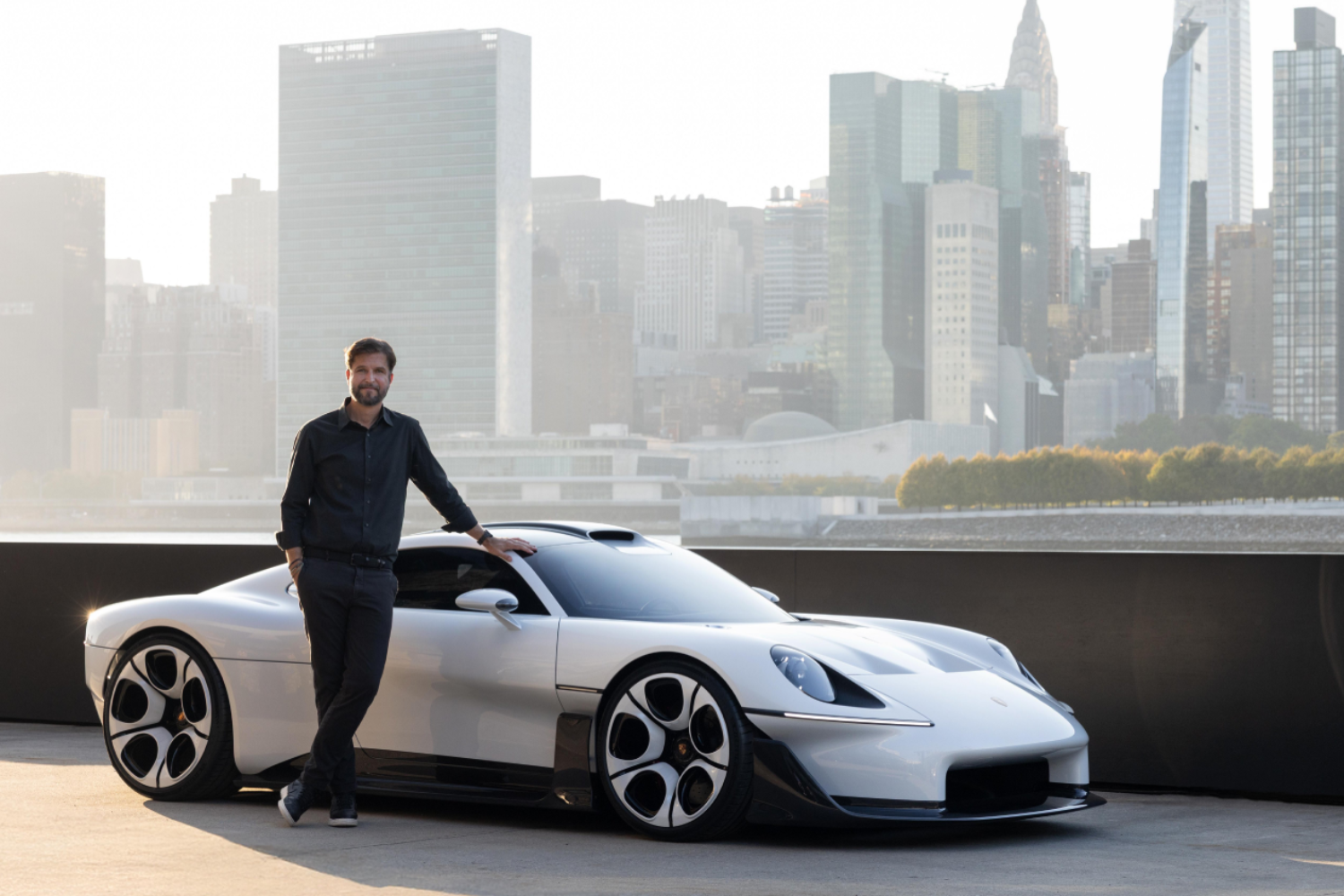
Porsche has always followed a clear principle: a sports car should be recognisable at first glance. The Porsche Mission S takes that idea forward, combining familiar design cues with fresh thinking about how a performance car should look and feel.
According to Dr Michael Leiters, Chairman of the Executive Board of Porsche AG, the concept offers a preview of ideas and features that could shape the brand’s future. Its purpose goes beyond styling, however. The Mission S explores a mid-engined super sports car platform positioned above the 911.
Rather than serving as a one-off hypercar, the proposed model represents a potential permanent addition to Porsche’s range. It aims to combine outstanding engineering with a strong connection between driver and machine.
The concept also presents a different approach to modern car interiors. Instead of filling the cabin with screens, Porsche places simplicity, tactile controls and intuitive operation at the centre of the experience.
A Historic Setting for a Forward-Looking Concept
Porsche chose a location with deep historical meaning for the Mission S’s world premiere: a pier in Queens, New York, overlooking the Manhattan skyline.
The same pier featured in photographs of the mid-engined Porsche 550 Spyder in 1953. Those images helped introduce the sports car to a wider audience, particularly in the United States. The 550 Spyder also played a major role in establishing Porsche’s identity as a maker of compact, lightweight performance cars.
By returning to this setting, Porsche connects its future ambitions with an important chapter in its past. The message is clear: progress does not require abandoning the qualities that made the brand successful.
Tobias Sühlmann, Vice President of Style Porsche, describes the Mission S as the result of a forward-looking, joined-up design strategy. Its styling brings together established Porsche features while exploring how they might evolve across future models.
Three principles guide this approach:
Authenticity: Every design choice should reflect Porsche’s character.
Consistency: New ideas should remain connected to the brand’s identity.
Timelessness: The design should retain its appeal beyond passing trends.
Together, these principles give the Mission S a clear purpose. It looks towards the future without losing sight of the cars that came before it.
Exterior Design: Classic Porsche Character with a Modern Edge
The Mission S translates familiar Porsche styling into a more contemporary form. Its proportions, sculpted surfaces and distinctive lighting create a strong visual identity without relying on unnecessary decoration.
The car’s shape centres on three defining features: prominent front wings, a recognisable roofline and a wide, low stance. These elements create what Porsche calls floating volumes, where different body surfaces appear to overlap or hover above one another.
The result is a muscular, technical appearance that highlights the car’s sporting intentions. At the same time, the clean surfaces prevent the design from becoming visually cluttered.
A continuous line links the front and rear light signatures, tying the exterior together. Above it, the bodywork emphasises width and strength. Below it, visible technical elements reinforce the focus on function and lightweight construction.
Inspiration from Porsche Legends
The Mission S draws on several important models from Porsche’s history. However, it does not simply reproduce their styling. Instead, it reworks familiar details for a new generation.
Key influences include:
Porsche 911: Rounded headlights and prominent front wings recall the model’s unmistakable shape.
Porsche 911 G-series: Body shut lines flow into the lighting graphics, creating a subtle link to this classic generation.
Porsche 911 GT1: The low front end and distinctive rear treatment reference the company’s celebrated racing car.
Porsche 959: The roofline sweeps towards the rear wing, echoing the supercar’s purposeful profile.
Porsche 928: The iconic dial-style wheels inspire a fresh design focused on reducing weight.
These references give the concept historical depth. More importantly, they show how Porsche can draw on its past without allowing nostalgia to dictate every detail.
Engineering Shapes the Design
The mid-engined layout plays a major role in the Porsche Mission S’s proportions. With the engine positioned between the front and rear axles, the designers can create a distinctive silhouette and a strong visual connection between the cabin and rear bodywork.
Functional details also contribute to its appearance. A cooling arrangement recalls the fan design associated with the Porsche 917, while an integrated active rear wing combines aerodynamic purpose with a clean profile.
The rear features a car-in-car design concept inspired by the GT1. Meanwhile, the lightweight wheels reinforce the car’s performance-focused character.
Each feature serves a purpose. The Porsche Mission S demonstrates how engineering and design can work together rather than compete for attention.
Interior Design: Keeping the Driver at the Centre
Inside, the Mission S returns to ideas found in early Porsche sports cars, including the 550 Spyder and the 356. The cabin focuses on the driver, with a layout designed to make essential controls easy to understand and reach.
Two defining lines run across the dashboard and into the doors. They create a feeling of sitting deep within the car while linking the interior visually to the exterior.
The result is a cabin that feels purposeful rather than complicated. Every major element contributes to a clear, unified design.
The Porsche Mission S combines physical switches and buttons with digital displays. This approach preserves the familiarity of conventional controls while offering the flexibility of modern technology.
The seats follow the same philosophy. Integrated seatbelt buckles and repositioned electric adjustment controls bring practical improvements into a motorsport-inspired design.
The colour scheme also reflects Porsche’s racing heritage. Firn White Metallic, Light Red Metallic, Black Chrome and Special Black combine understated tones with subtle sporting accents.
Together, these finishes create a contemporary interpretation of the colours associated with Porsche’s competition cars.
Driver Experience: A Smarter Balance of Analogue and Digital
The Porsche Mission S places the driving experience ahead of screen size or the number of available functions. Its controls follow the driver’s natural line of sight and reach, helping make operation more direct.
At the heart of the cabin sits a distinctive instrument cluster with five circular gauges behind the steering wheel. The central rev counter combines an analogue needle with a digital display.
The layout can change according to the selected driving mode. The circular instruments shift their arrangement, while the rev counter moves closer to the driver to strengthen the focus on driving.
Other features maintain Porsche’s traditional approach to cockpit design. The vehicle key sits to the left of the steering wheel, following a long-standing brand convention. New push-pull controls provide direct access to selected comfort and driving functions.
The redesigned Sport Chrono element also blends traditional styling with digital precision.
One of the Porsche Mission S’s most notable decisions is the absence of a permanently integrated central display or fixed passenger screen.
Instead, the concept includes a retractable smartphone holder compatible with MagSafe technology. Drivers can use their own devices for navigation or information when required.
The My Porsche App provides access to vehicle functions through a streamlined interface. It also allows users to select digitally rendered instrument designs inspired by historic Porsche models.
This approach offers a different vision of in-car technology. Rather than adding displays simply because they are available, Porsche focuses on giving drivers control over how they use digital features.
The result is a cabin designed to feel modern without becoming dominated by screens.
The Future of Porsche Sports Cars: A Platform Above the 911
The Mission S points towards a potential expansion of Porsche’s sports car range. The company outlines a vision for a mid-engined super sports car positioned above the 911, offering a more permanent place for this type of model in its line-up.
Its proposed platform would draw on Porsche’s motorsport experience, established engineering expertise and distinctive design identity. Flexibility is another key objective, allowing the architecture to support a broader product offering rather than a single, exclusive model.
However, the Mission S remains a vision of future direction, not proof that every displayed feature or proposed product plan will reach production unchanged.
Its importance lies in the questions it raises about Porsche’s next generation of sports cars. How can the company preserve its heritage while meeting changing expectations? And how can it introduce new technology without weakening the driver’s connection with the car?
The Mission S offers Porsche’s perspective on those challenges. Its answer combines familiar proportions, purposeful engineering and a cabin that values interaction over complexity.
Conclusion: Can the Mission S Shape Porsche’s Future?
The Porsche Mission S brings the brand’s past and future together in a striking concept. Its mid-engined proportions, historic design references and driver-focused interior suggest a sports car built around the essentials.
Rather than pursuing novelty for its own sake, Porsche uses the concept to explore how established values can evolve. The result offers a fresh take on performance, design and the relationship between driver and machine.
Whether its ideas appear in future production models remains to be seen. Nevertheless, the Mission S provides a compelling glimpse of how Porsche could expand its range while protecting its identity.
What do you think of the Porsche Mission S? Would you welcome a mid-engined sports car positioned above the 911, or should Porsche concentrate on refining its existing icons? And would you prefer its screen-light cockpit to the large displays found in many modern cars? Share your thoughts in the comments.
The post How the Porsche Mission S Reveals a Bold New Future for Beautiful Sports Cars appeared first on My Car Heaven.


More Stories
2027 Lexus TX Drops Plug-In Hybrid Model as Luxury SUV Lineup Gets Simplified
Sometimes the biggest news surrounding a new vehicle isn’t what’s being added, but what’s being taken away. That’s certainly the...
GM to Close EV Battery Plant and Repurpose Hydrogen Facility
Remember when nearly every major automaker was promising an all-electric future, pouring billions into battery factories, and making ambitious plans...
2027 Lexus NX Goes Hybrid-Only with More Power, 45 Miles of Electric Range, and a Fresh New Look
The days of buying a gasoline-only Lexus NX are officially over, but before anyone starts mourning the loss of another...
Volkswagen to Remotely Limit ID.4 EV Charging to 80% as Battery Fire Recall Affects Over 22,000 Vehicles
Imagine waking up one morning to discover that your electric vehicle can no longer charge to its full capacity, not...
Electrify America Opens Its Largest EV Charging Station Yet in Orlando, Florida with 24 Ultra-Fast Chargers
Electrify America is making a significant investment in Florida’s growing electric vehicle infrastructure with the opening of its largest charging...
BMW iX5 60 xDrive Shows Off Incredible 460-kW Fast Charging That Adds 170 Miles of Range in Just 10 Minutes
BMW is pushing the boundaries of electric vehicle charging technology, and its upcoming all-electric iX5 60 xDrive is demonstrating just...