
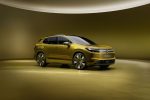
2028 Volkswagen ID. Tiguan Revealed with Bold New Styling, Bigger Screens, and the Return of Physical Buttons

Volkswagen is making some big changes to its electric SUV lineup, and the newly revealed 2028 Volkswagen ID. Tiguan looks like a promising step in the right direction. Set to replace the ID.4, the all-new ID. Tiguan brings sharper styling, a completely redesigned interior, improved technology, and something that many Volkswagen owners have been asking for: actual physical buttons. It’s a refreshing shift for a brand that arguably went a little too far with touch-sensitive controls in recent years. Beyond the welcome interior improvements, the new electric SUV promises nearly 300 horsepower, an estimated driving range that could exceed 300 miles in the United States, and a more premium driving experience. If Volkswagen gets the pricing right, the ID. Tiguan could become one of the more compelling electric compact SUVs when it reaches American dealerships.
The decision to replace the ID.4 with the ID. Tiguan is particularly interesting because Volkswagen is moving away from its somewhat anonymous electric vehicle naming strategy. The Tiguan name has become one of the automaker’s most recognizable badges, and extending it to an electric SUV makes plenty of sense. Rather than asking buyers to familiarize themselves with an entirely different vehicle, Volkswagen is connecting its electric future with a model name that already carries considerable recognition. The ID. Tiguan will effectively take over for the discontinued ID.4 in America, while the conventional gasoline-powered Tiguan continues alongside it. It’s a smart way to give shoppers an electric alternative without abandoning the familiarity of one of Volkswagen’s most successful SUVs.
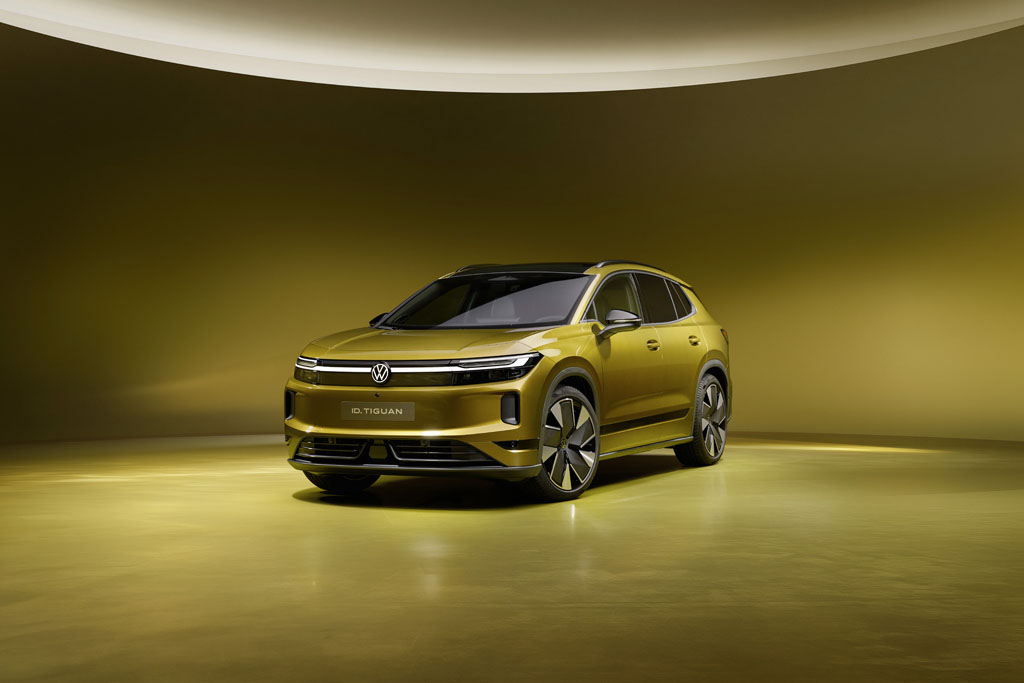
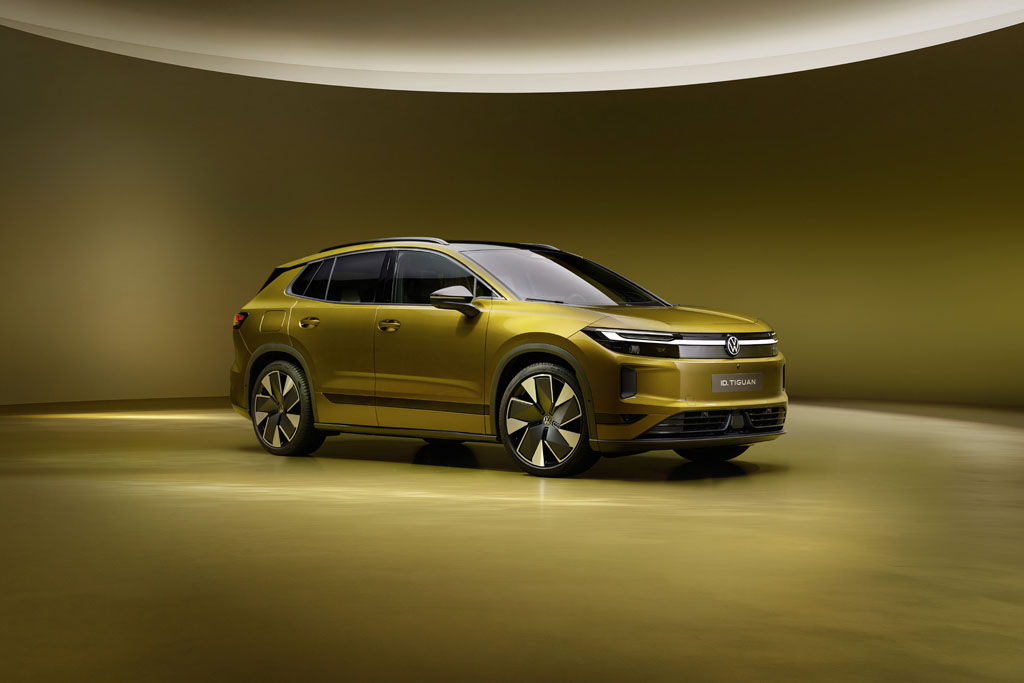
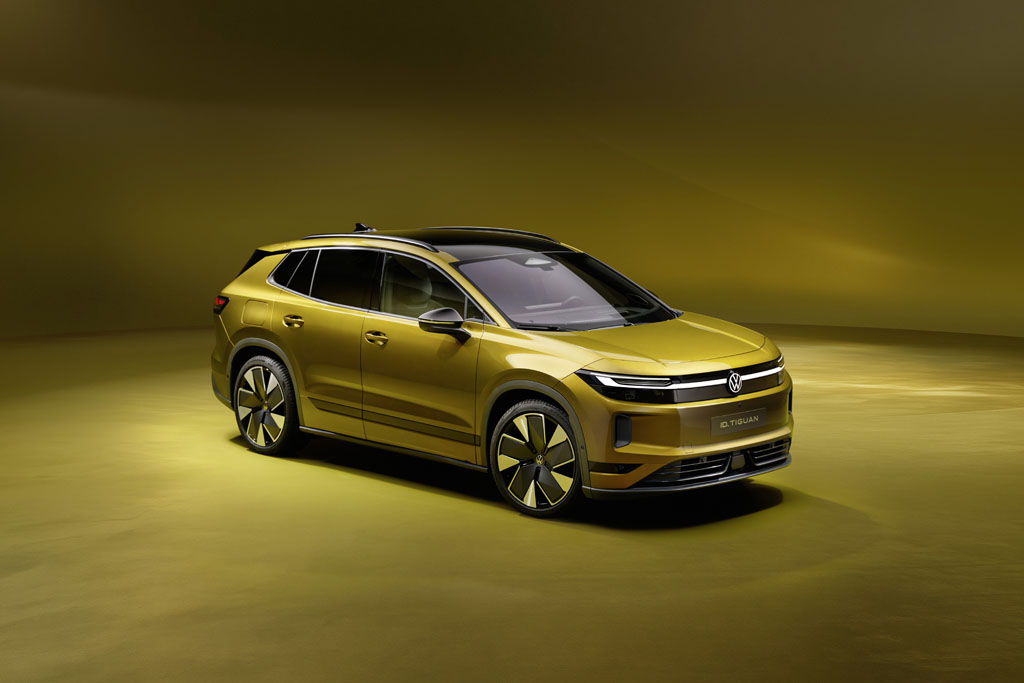
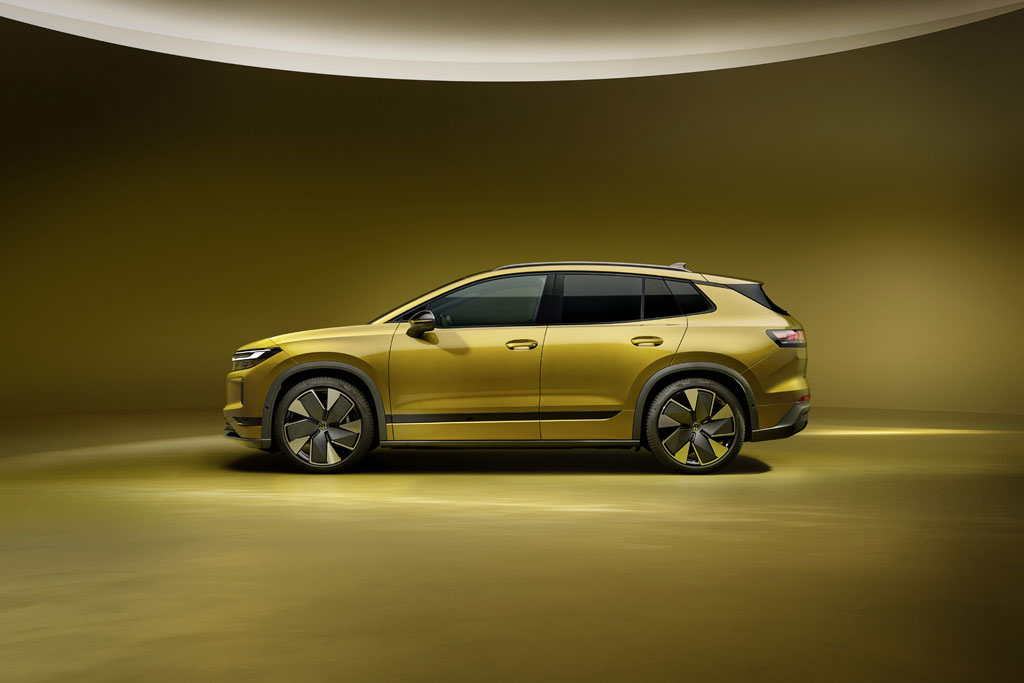
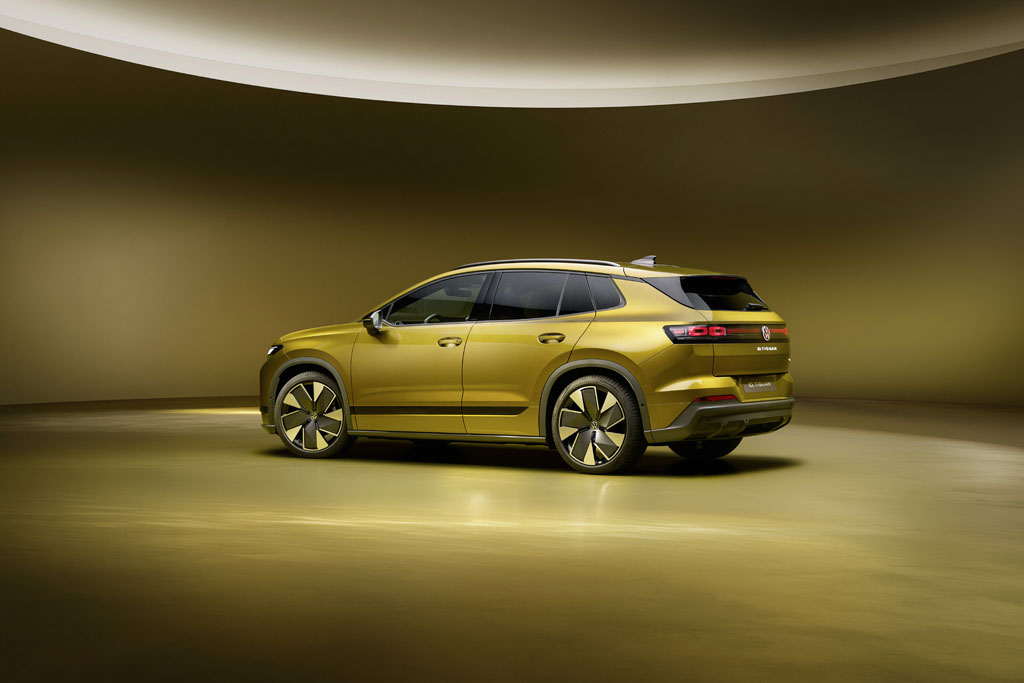
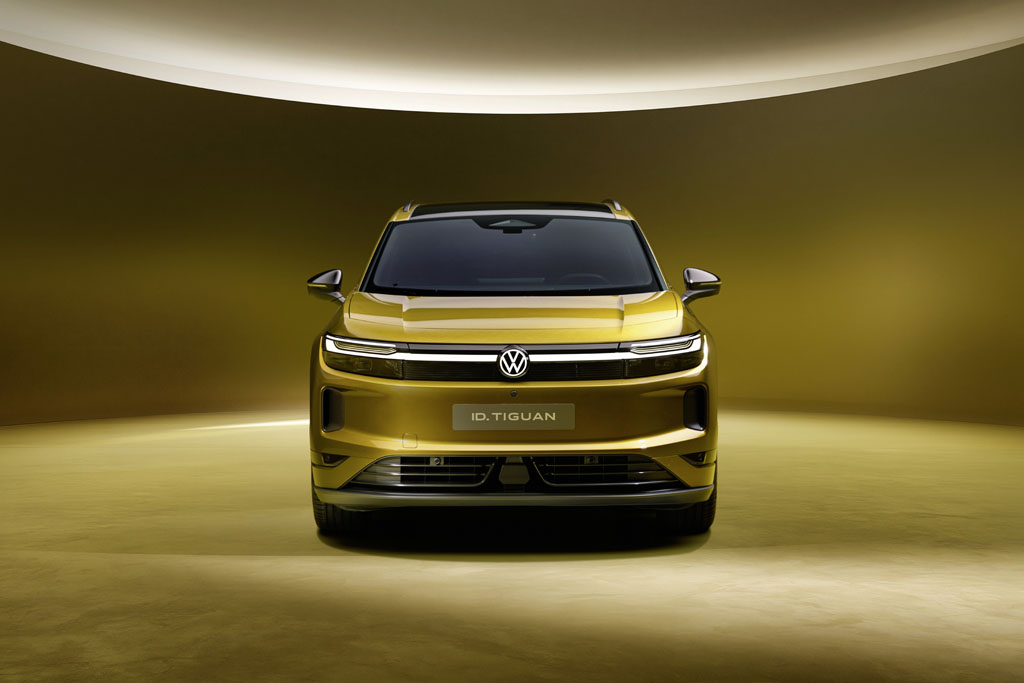
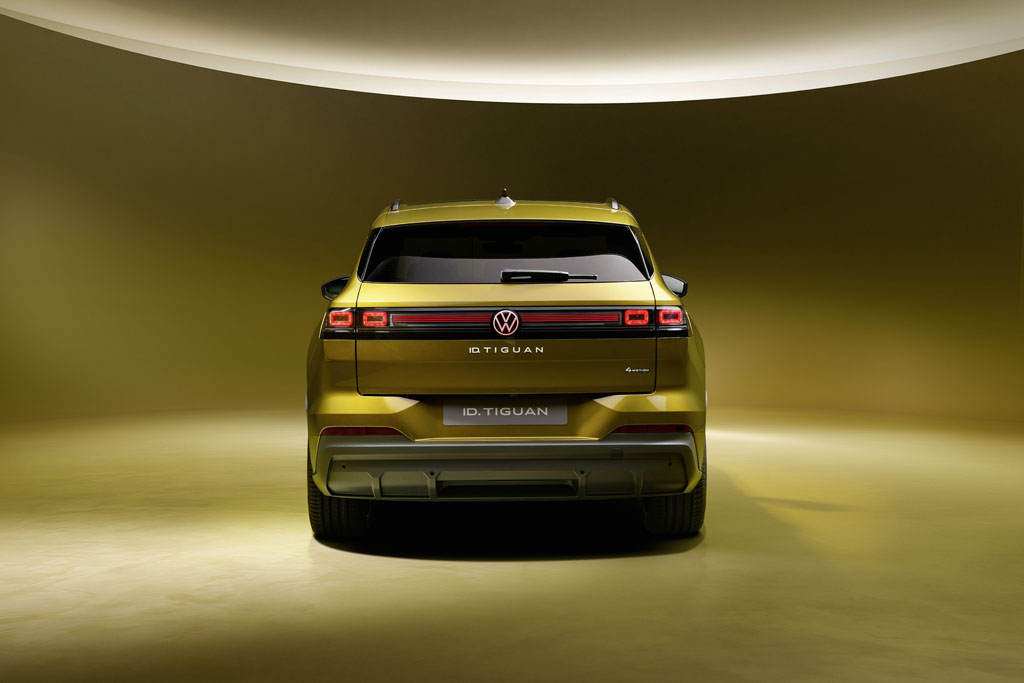
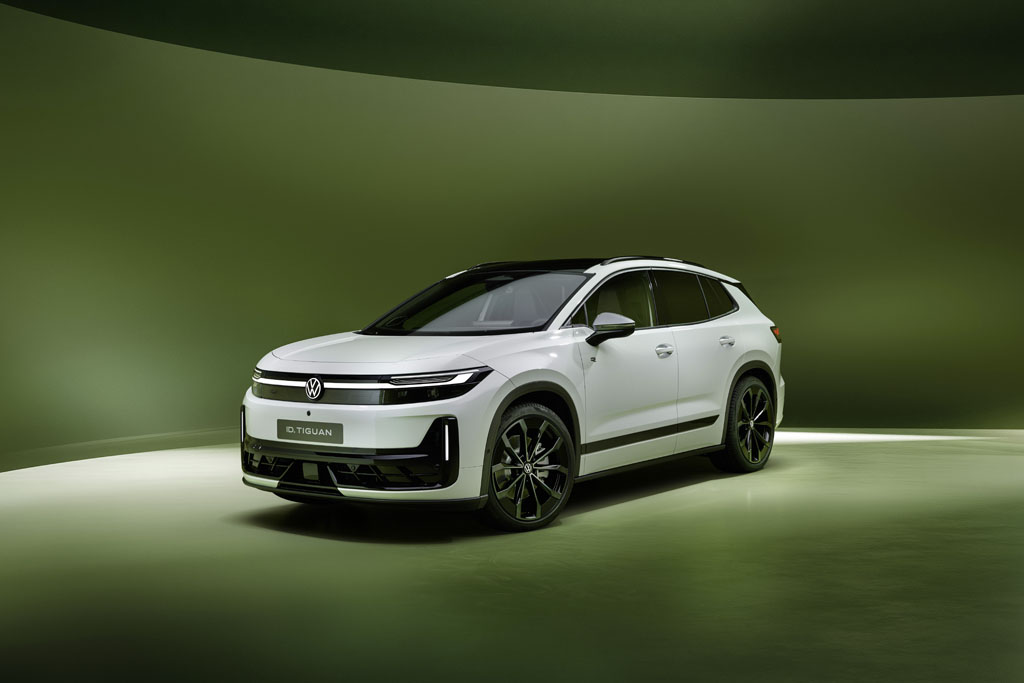
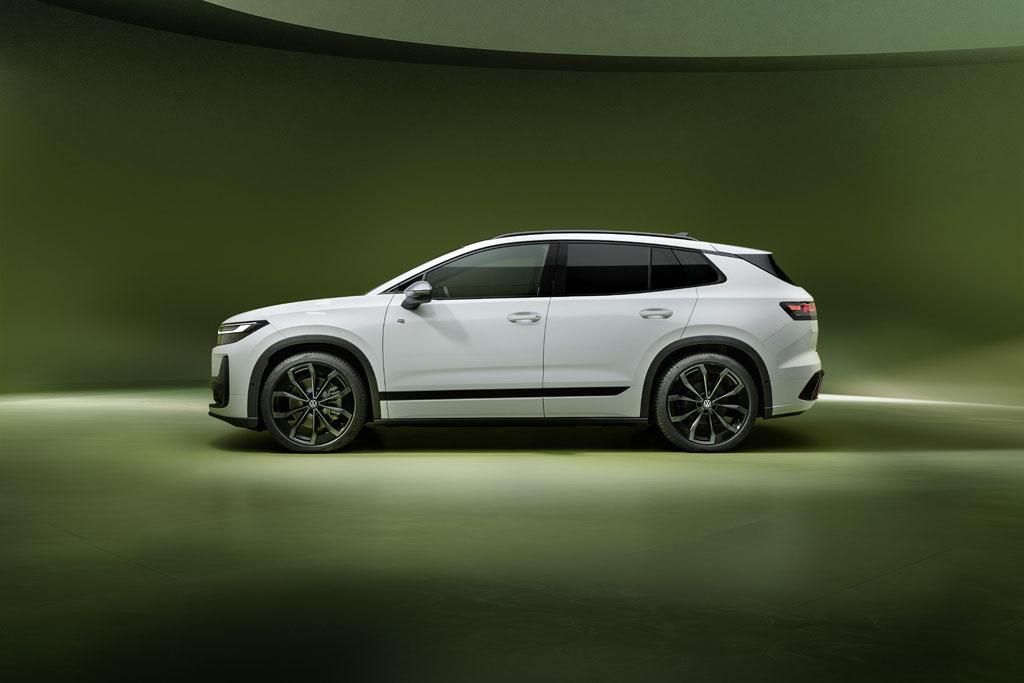
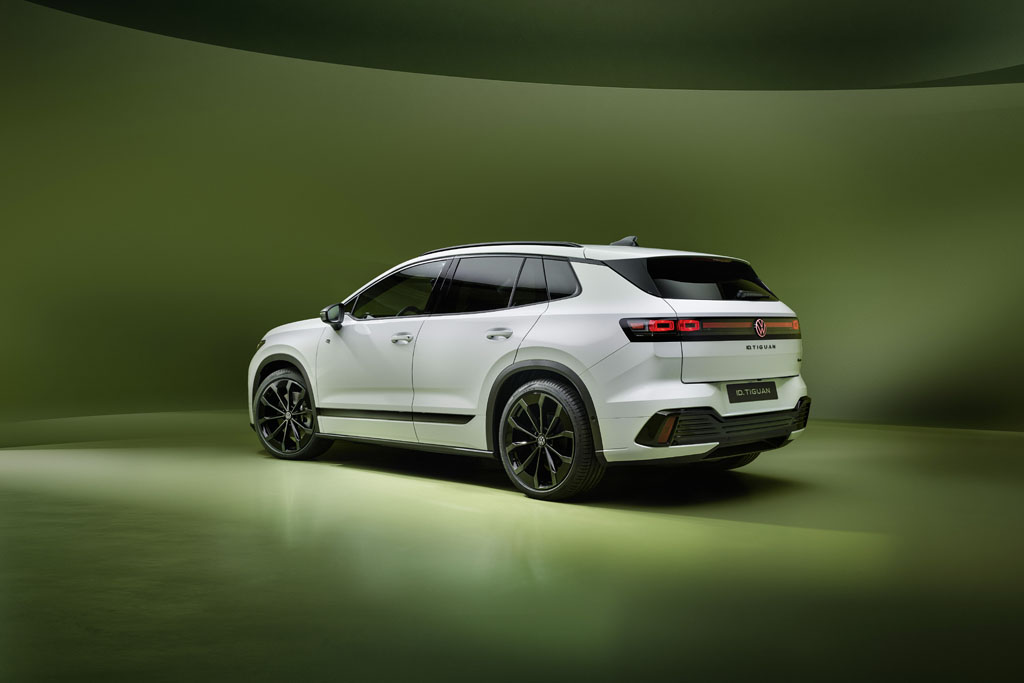
Visually, the 2028 ID. Tiguan looks more substantial and confident than the vehicle it replaces. The softer, rounded proportions of the ID.4 have given way to a more upright design with stronger body lines and a wider-looking front end. A prominent LED light bar connects the headlights, while an illuminated Volkswagen emblem adds a distinctive touch to the front fascia. The sportier R-Line model receives additional black exterior accents, a more aggressive lower bumper treatment, and vertical LED lighting elements. Along the sides, Volkswagen has reduced the amount of black plastic cladding, giving the SUV a cleaner appearance. Traditional exterior door handles also make a welcome return, replacing the flush-style arrangement found on the ID.4. At the rear, a redesigned full-width lighting signature completes the updated look. Overall, the styling feels more mature and less like Volkswagen is trying too hard to advertise that this is an electric vehicle.
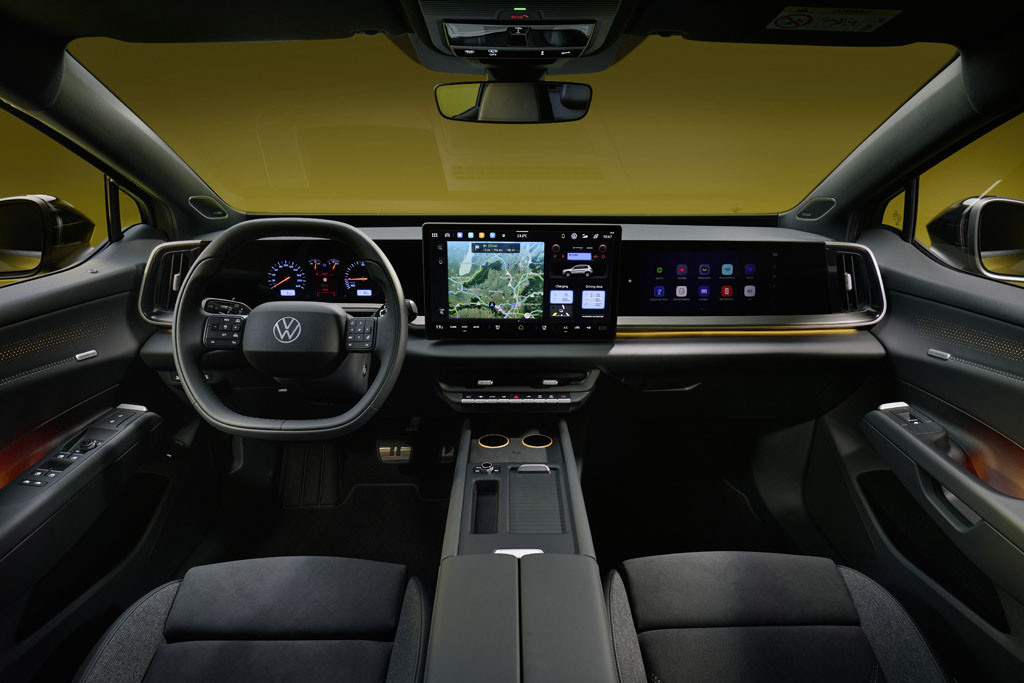
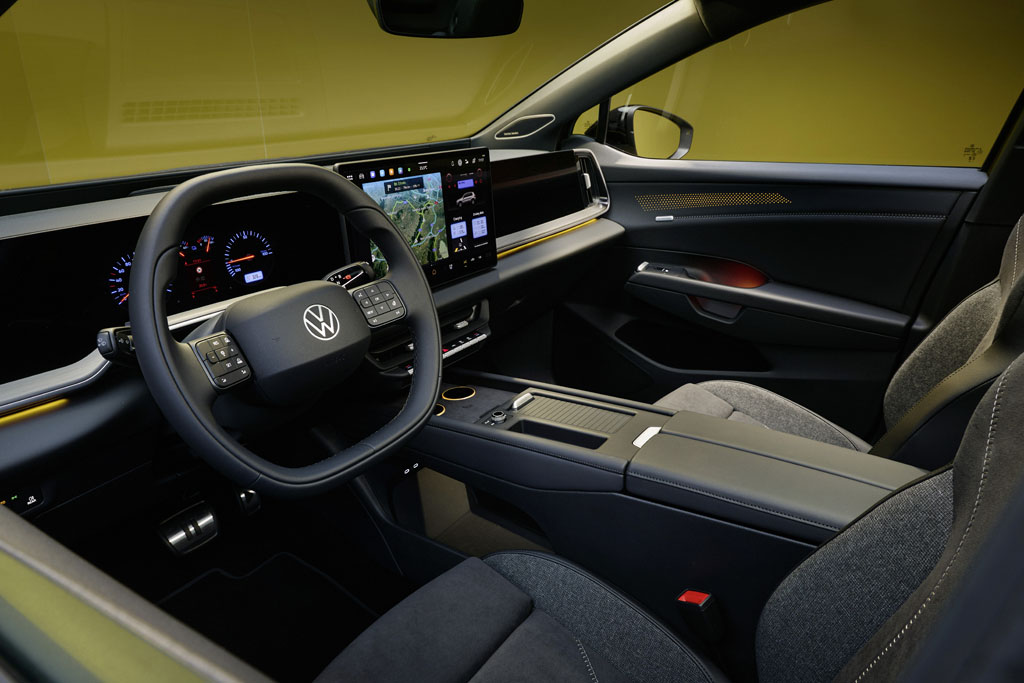
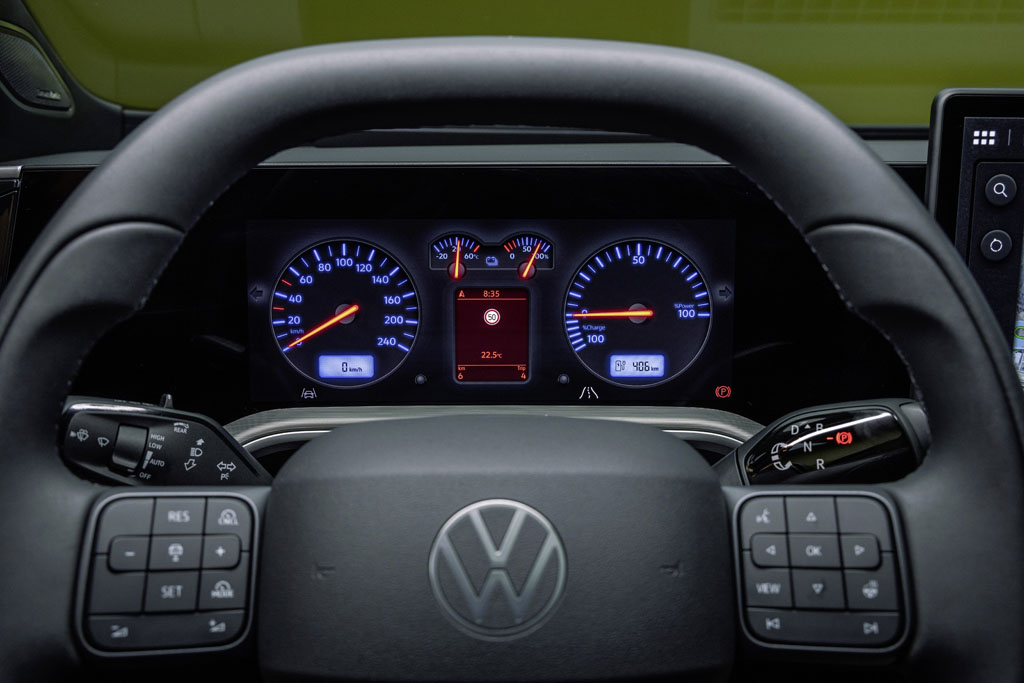
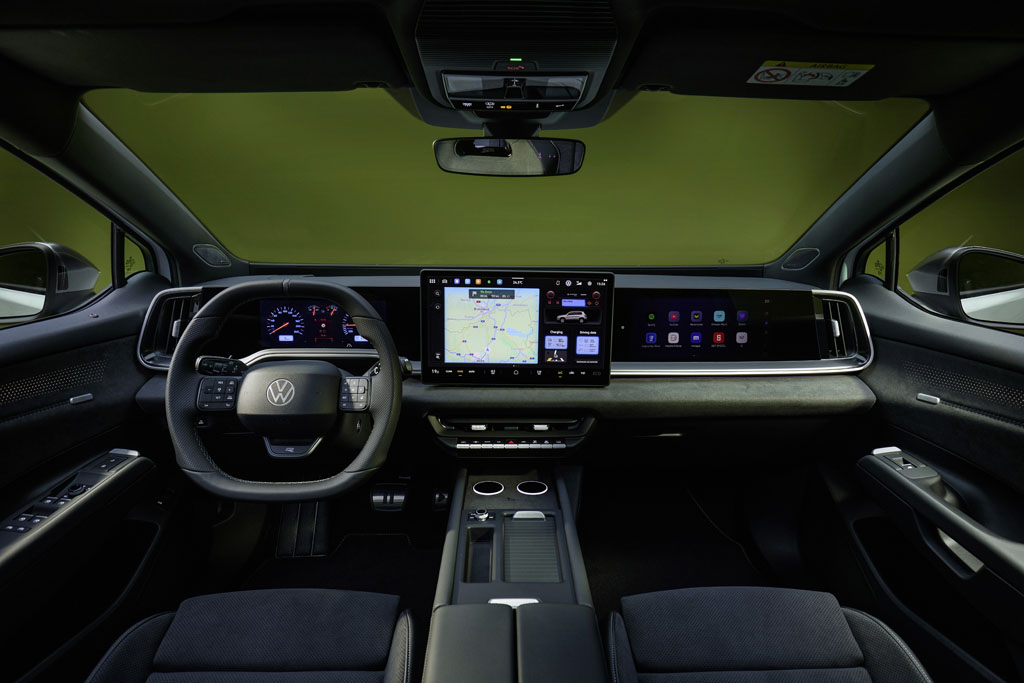
Inside is where the ID. Tiguan really separates itself from its predecessor. Volkswagen has completely reworked the dashboard with a modern, horizontal layout dominated by digital displays. A 10-inch digital instrument cluster sits directly ahead of the driver, while a massive 15-inch central touchscreen handles most infotainment functions. Buyers can also opt for a 12-inch passenger display, allowing the front passenger to access entertainment features, including games and music through connected Bluetooth headphones. It’s a setup that wouldn’t look out of place in a considerably more expensive luxury SUV. Volkswagen is also promising significantly improved interior materials, which should address some of the concerns surrounding the ID.4’s cabin quality. Whether the materials feel as premium as advertised remains to be seen, but the initial presentation certainly looks promising.
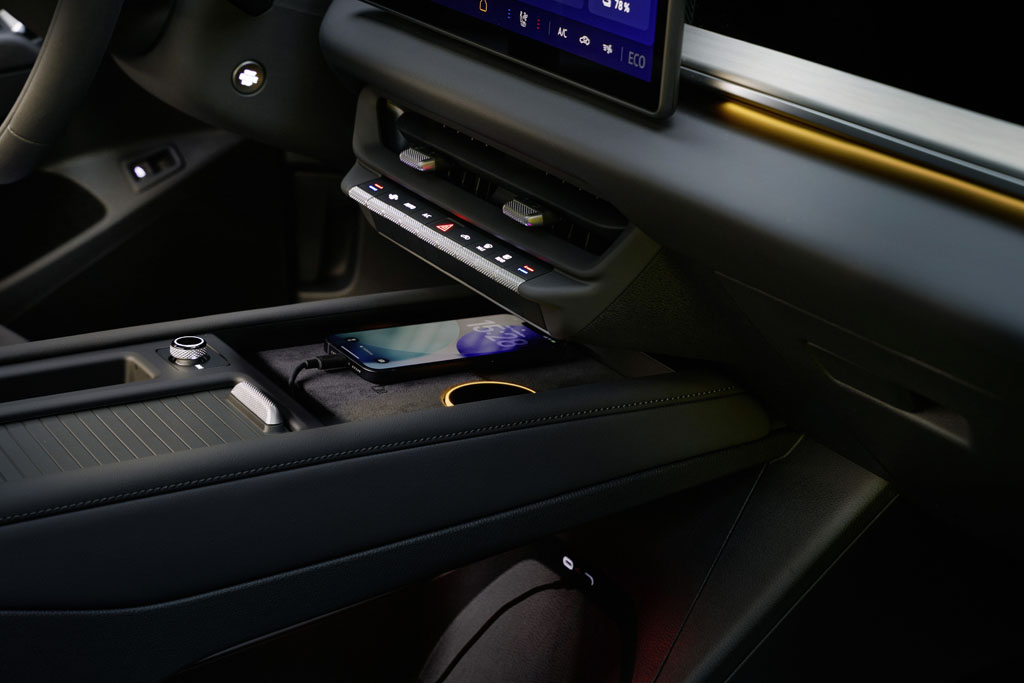
Perhaps the most encouraging news is that Volkswagen appears to have finally listened to customers who weren’t particularly fond of the ID.4’s overly complicated touch controls. The ID. Tiguan brings back physical climate control buttons beneath the center touchscreen, a conventional volume knob on the center console, and actual buttons on the steering wheel. Even the driver’s window controls have been corrected, with four individual switches replacing the unusual two-switch arrangement that required drivers to select between front and rear windows. These might sound like minor details, but they’re the kinds of things that can make a significant difference in everyday driving. Having to navigate a touchscreen simply to adjust the cabin temperature or change the volume isn’t always convenient, especially when you’re traveling down the highway. Volkswagen deserves some credit for recognizing that not every function needs to be digital.
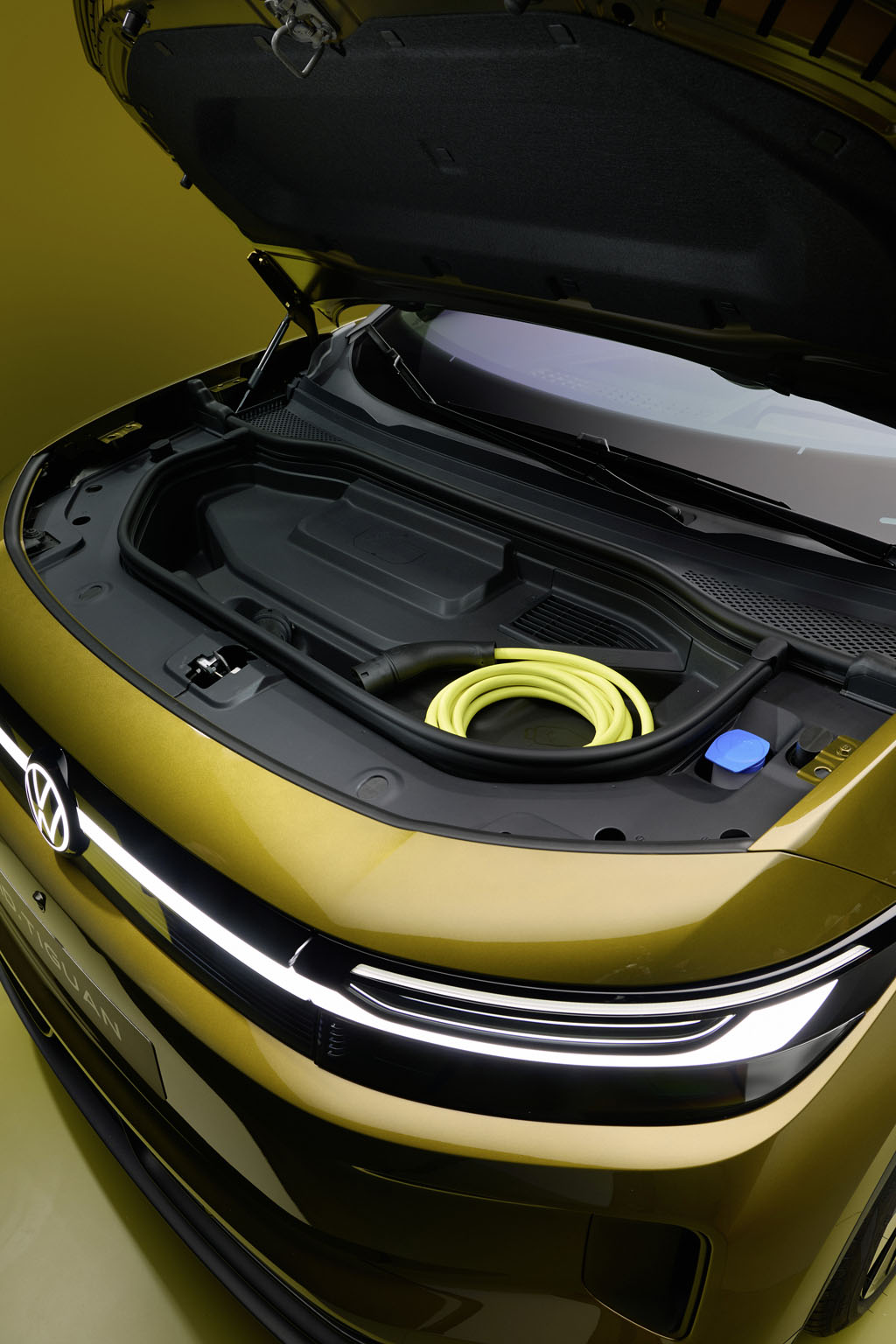
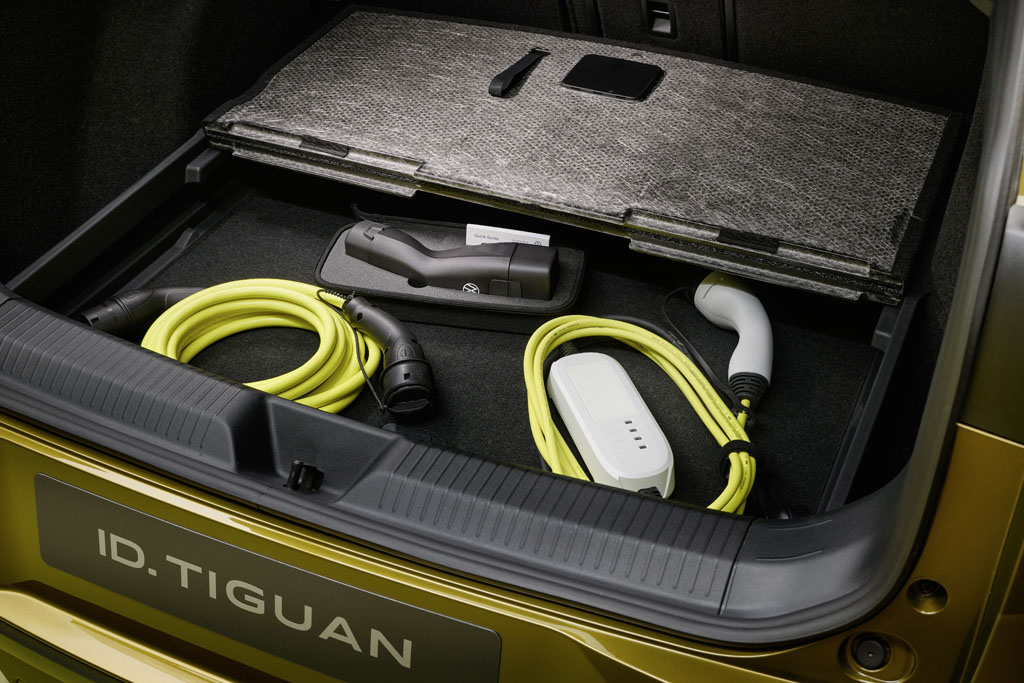
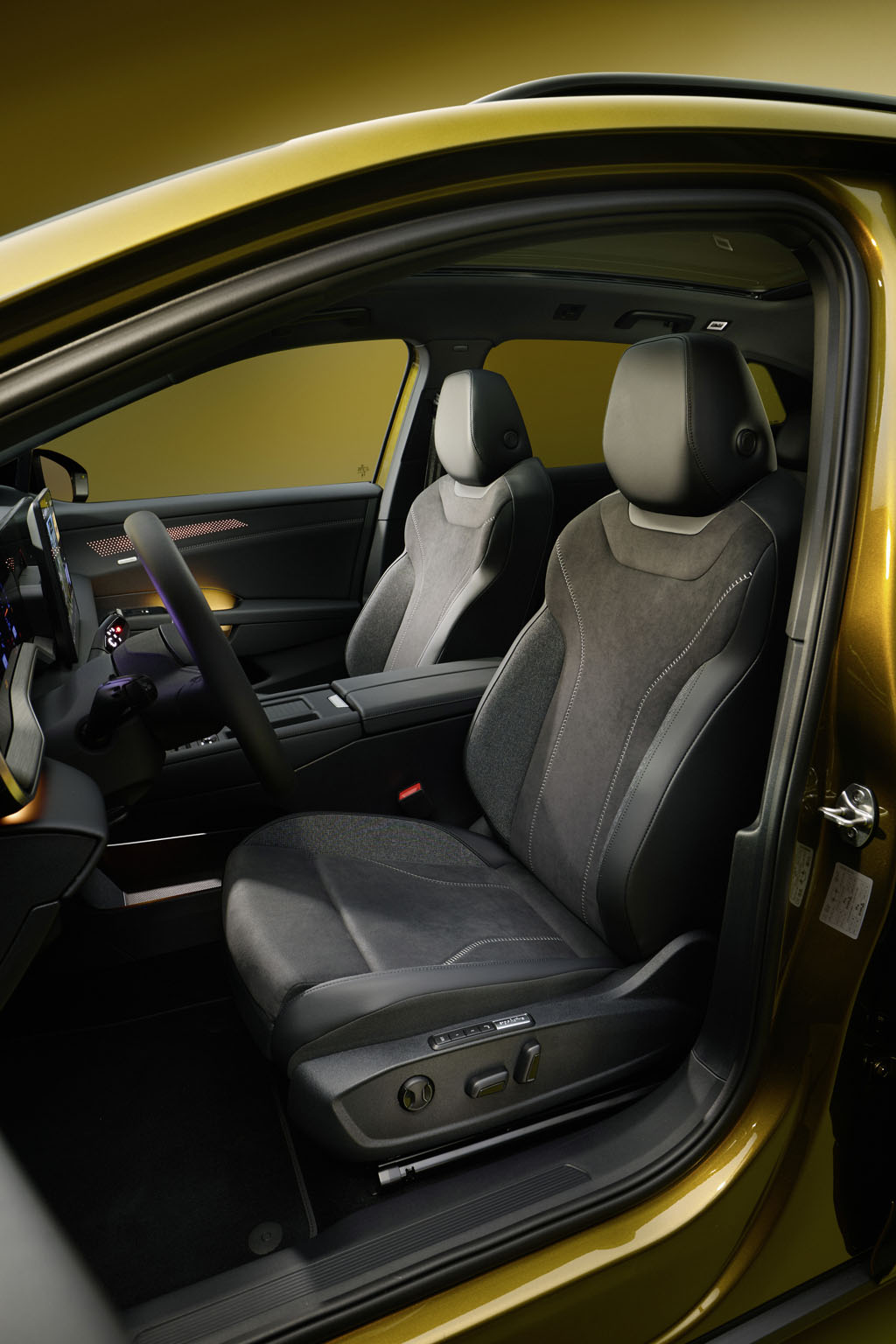
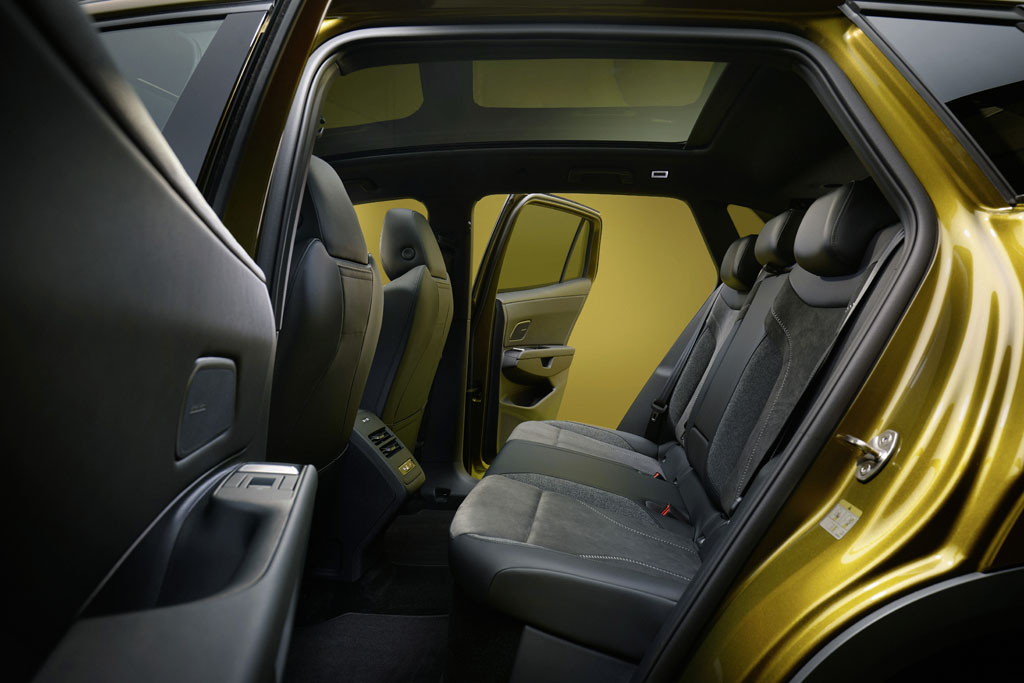
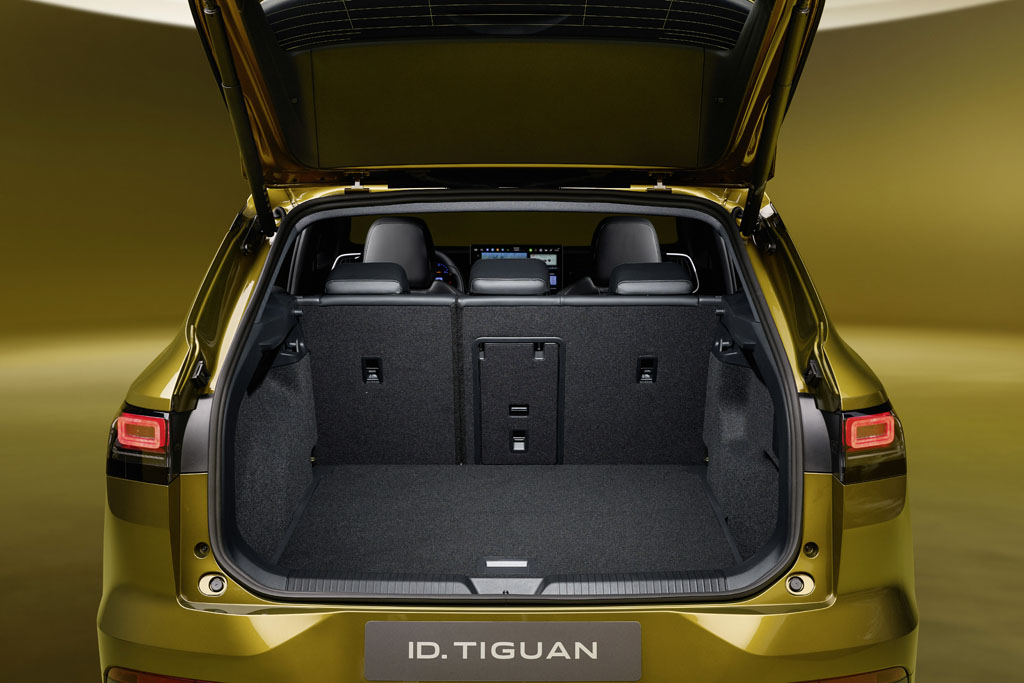
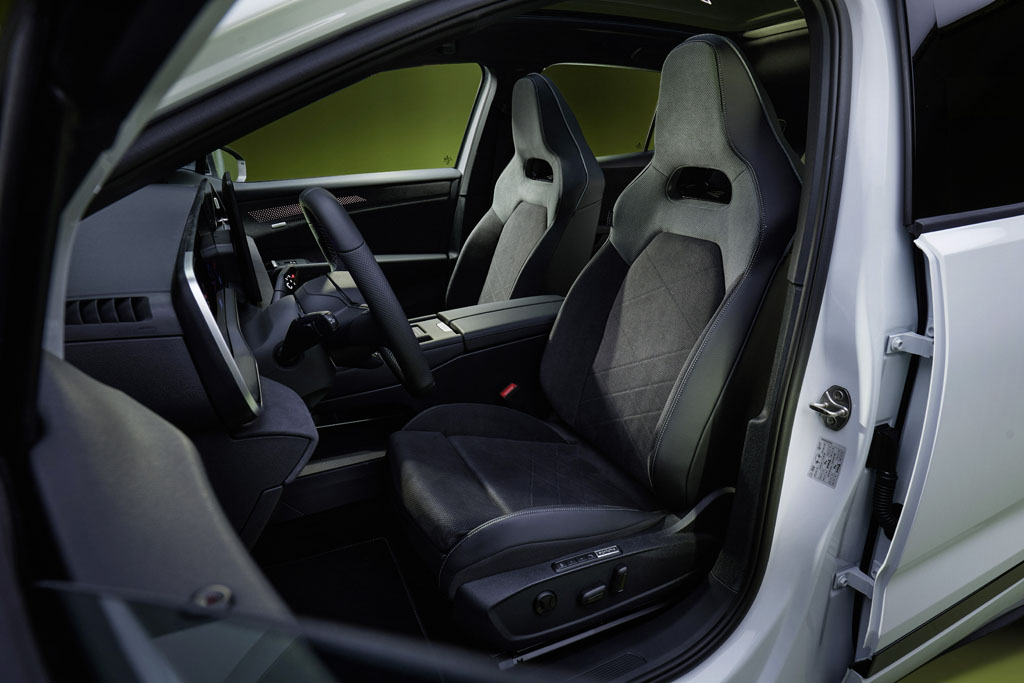
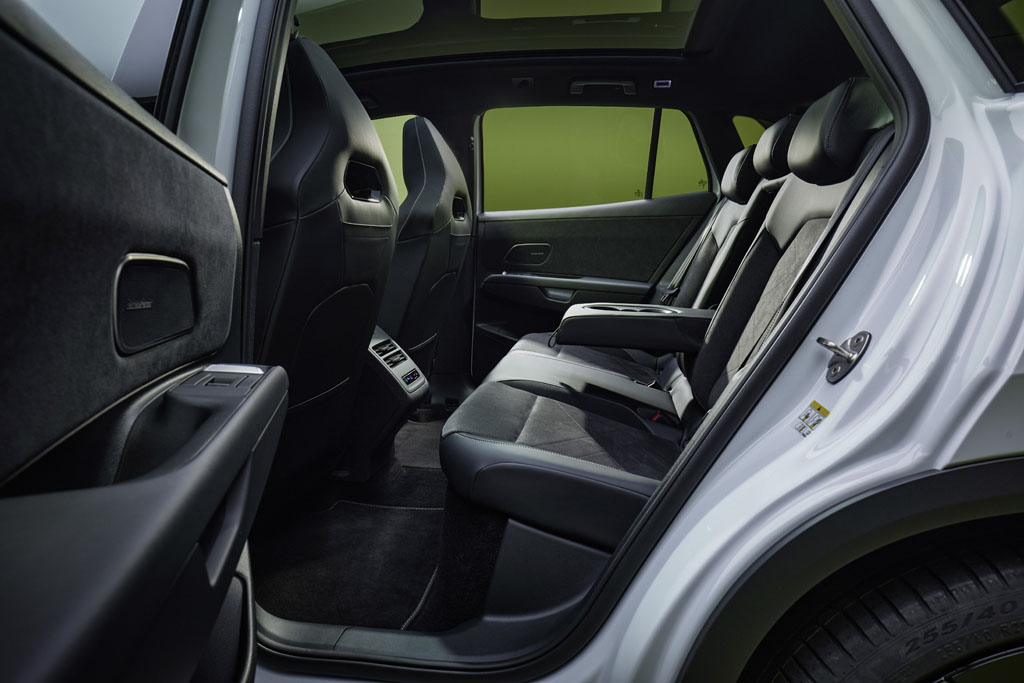
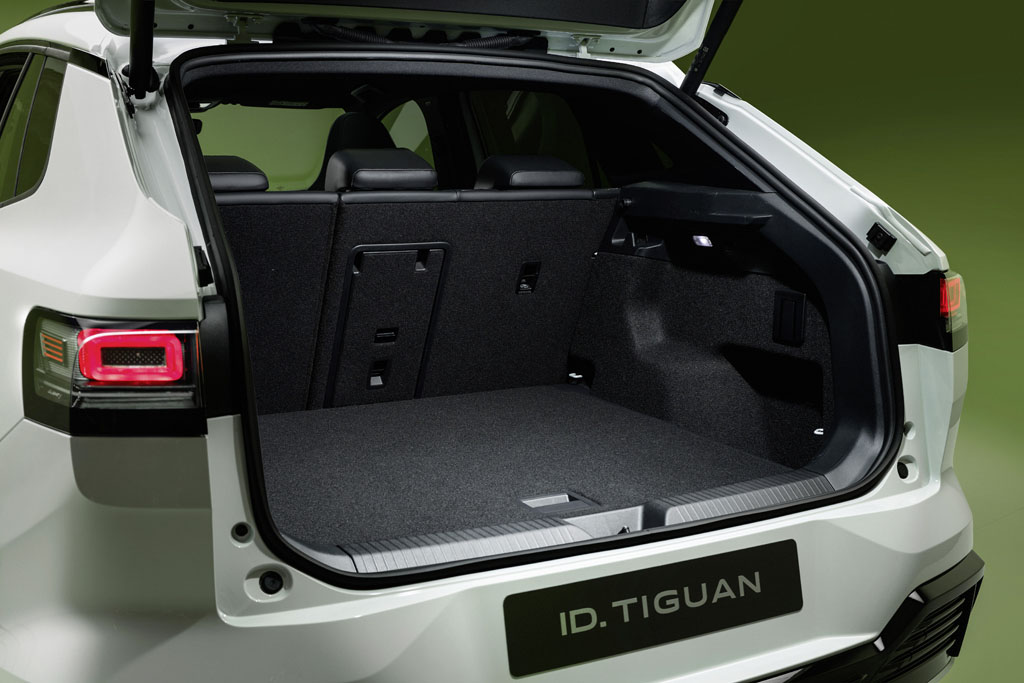
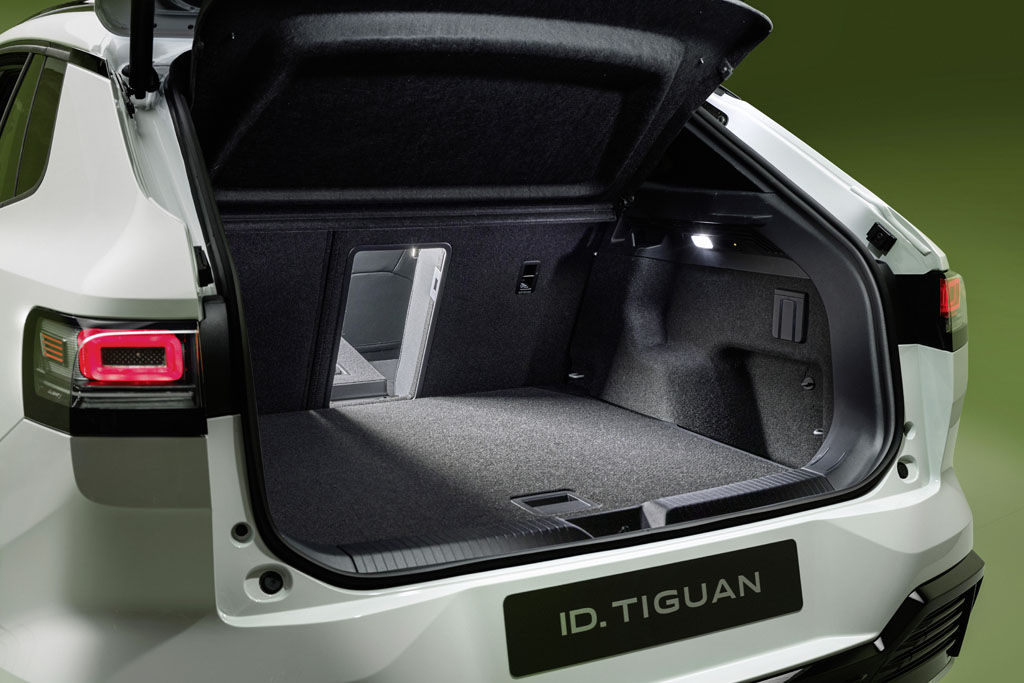
There’s also a nice bit of nostalgia worked into the new technology. Volkswagen has introduced retro-inspired digital instrument displays that recreate the familiar blue-and-red illumination of the fourth-generation Golf, giving longtime enthusiasts something to appreciate. The infotainment system can even display a virtual collection of classic Volkswagen vehicles, including several generations of the Golf, the original Tiguan, the Beetle, and the Race Touareg. It’s a playful feature that adds some personality to a cabin otherwise dominated by screens. Additional available amenities include heated and ventilated power-adjustable front seats with massage and memory functions, a panoramic glass roof, and a premium Harman Kardon audio system. Two magnetic wireless phone chargers are also included in the redesigned center console. Practicality hasn’t been forgotten either, with approximately 19 cubic feet of rear cargo capacity and a small front storage compartment offering just over one cubic foot of additional space.
Underneath the new bodywork, the ID. Tiguan uses Volkswagen’s updated MEB+ electric vehicle architecture and will initially offer three powertrain configurations in Europe. The entry-level rear-wheel-drive version produces 188 horsepower and uses a 58-kWh battery, while a more powerful rear-wheel-drive model develops 282 horsepower with a larger 77-kWh battery pack. At the top of the lineup sits an all-wheel-drive version producing 295 horsepower, also equipped with the 77-kWh battery. That should provide plenty of performance for everyday driving, with the added traction of all-wheel drive making the range-topping model particularly appealing to American buyers. Volkswagen hasn’t confirmed which configurations will be offered in the United States, although the more powerful versions seem like natural candidates for our market. With the larger battery, the SUV can also tow up to 4,409 pounds when properly equipped, adding another layer of versatility that’s not always associated with compact electric crossovers.
Driving range will undoubtedly play an important role in the ID. Tiguan’s success. Volkswagen estimates a maximum range of approximately 372 miles using Europe’s WLTP testing cycle. Since that testing procedure typically produces more optimistic numbers than the EPA’s methodology, American buyers should expect something closer to the low-300-mile range, with approximately 316 miles being a reasonable preliminary estimate. Of course, official EPA figures haven’t been released, so we’ll have to see how the final U.S.-spec models perform. The ID. Tiguan also introduces standard one-pedal driving, allowing drivers to slow the vehicle substantially by lifting off the accelerator. An updated Connected Travel Assist system adds features such as assisted highway lane changes and the ability to bring the vehicle to a stop at traffic lights under appropriate conditions. Volkswagen is also including smartphone-based Digital Key functionality and vehicle-to-load capability, allowing the SUV’s battery to supply power to external electrical devices. Those additions could make the ID. Tiguan considerably more useful for road trips, camping, and daily commuting.
Volkswagen plans to offer the ID. Tiguan in four European trim levels: Trend, Life, Style, and R-Line. Sales are scheduled to begin in Europe in early 2027, with German pricing starting at €42,695, or approximately $49,700 based on recent exchange rates. U.S. pricing hasn’t been announced, and Volkswagen has yet to provide an exact American launch date, although the company has confirmed plans to bring the vehicle to North America as an anticipated 2028 model. The pricing question is especially important considering how competitive the electric SUV market has become. With alternatives from Tesla, Hyundai, Kia, Chevrolet, and other automakers fighting for attention, Volkswagen can’t rely on a familiar name and a few interior improvements alone. Buyers will be looking closely at range, charging performance, equipment, and overall value before deciding whether the ID. Tiguan deserves a place in their driveway.
What makes the 2028 Volkswagen ID. Tiguan particularly intriguing isn’t necessarily one groundbreaking feature, but rather how Volkswagen seems to have addressed several weaknesses of its previous electric SUV. The exterior has more character, the interior looks considerably more upscale, and the return of conventional controls shows that the automaker is paying attention to what people actually want from their vehicles. The promising range estimates and available all-wheel-drive performance only strengthen the package. There’s still plenty we need to learn, particularly regarding American pricing, charging speeds, and how the ID. Tiguan drives on real roads. Still, this feels like a more thoughtful approach to electric vehicle development, where usability and familiar Volkswagen qualities matter just as much as oversized screens and futuristic styling. If the finished product delivers on those expectations, the ID. Tiguan could give Volkswagen the fresh start it needs in the increasingly crowded electric SUV segment.

More Stories
Keeping the Ram You Love, Updating the Part You Use Every Day
A favorite vehicle earns its place through use. There are the trips you planned for months, the quick runs for...
Is Your Car Ready for Colorado’s Traction Law?
A clear forecast in Denver can turn into a whiteout at the Eisenhower Tunnel. When that happens, the Colorado Department...
Has the arrival of e-scooters finally ended the war between cyclists and drivers?
There’s an age-old saying, “the enemy of my enemy is my friend.” Every road user has a nemesis. Ask a...
New Zealand September 2026: Toyota Corolla Cross storms into top spot in market up 22.2%
The Toyota Corolla Cross is the best-selling vehicle in New Zealand in September. The New Zealand new light vehicle market...
Compact Car Commuting Costs in South Africa
Your monthly instalment is only part of the picture. We break down compact car running costs in South Africa and...
Uzbekistan August 2026: Chevrolet down to 73.8% share, BYD #2 at 10.6%
The Chevrolet Cobalt holds 32.3% of the Uzbek market in August. In August, 37,798 new cars were sold in Uzbekistan,...