
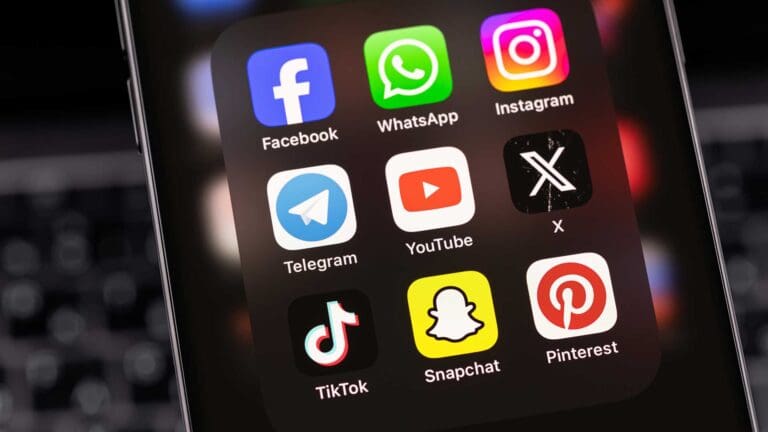
Social Media Trends That Will Dominate in 2026

In 2026, several trends are shaping how people share, connect, and consume content. From AI-powered personalization to short-form videos and social commerce, these developments reveal where audience attention is moving.
Let’s explore the social media trends that are shaping the year and what businesses can do to stay relevant.
Short-Form Video Continues to Lead
Video plays a significant role in social media, but not every format attracts the same attention. Short, engaging clips are particularly effective at capturing users’ interest. TikTok helped popularize this format, while YouTube Shorts and Instagram Reels continue to expand its reach.
Users appreciate quick content that educates, entertains, or answers a question in under a minute. This format fits busy lifestyles and makes information easier to consume.
Brands and businesses are also embracing short-form videos to connect with their audiences. Product teasers, bite-sized tutorials, behind-the-scenes clips, and customer testimonials can help build trust and introduce products in an engaging way.
Even LinkedIn is becoming a space where professionals use video to share insights, explain industry developments, and establish their expertise.
For marketers and creators, short-form video is no longer simply an optional format. It has become an important part of a well-rounded social media strategy.
AI-Powered Content Creation
Artificial intelligence is changing how businesses create social media content. AI tools can help generate ideas, write captions, develop content calendars, and assist with creating posts. Tools such as Jasper and ChatGPT can also support brainstorming and content planning.
Video editing applications increasingly use AI to generate subtitles, remove unnecessary pauses, and simplify editing.
These capabilities make content creation faster and more accessible. However, as AI makes it easier to produce content, audiences also expect greater authenticity and creativity.
The most effective approach is to use AI as a supporting tool while maintaining a distinct human voice. Businesses still need to understand their audiences, communicate clearly, and share meaningful stories.
Darren Graham, Director of Organic Search at 408 Media, highlights, “AI can help businesses create content more efficiently, but the real value comes from understanding what their audience needs. Brands should use AI to support their strategy, not replace the human insight that makes content relevant and authentic.”
In 2026, businesses that combine AI-assisted workflows with human creativity and a clear content strategy can develop more relevant social media experiences.
Rise of Social Commerce
Social media is no longer just a place for communication. It has also become an important shopping channel.
Platforms such as Facebook, Instagram, and TikTok offer shopping features that help users discover products and, in supported markets, purchase them without leaving the platform. TikTok Shop is one example of how products can move from entertaining content to a purchasing opportunity.
Customers appreciate the convenience. They can watch product demonstrations, explore creator recommendations, read reviews, and make purchasing decisions with fewer steps.
For businesses, social commerce can shorten the buyer journey by connecting product discovery with shopping.
Visual content is particularly useful for home décor businesses, where customers often want to see how a product might look in their own homes.
Devon Howard, CEO of Andor Willow, explained, “What we’re seeing is that customers don’t just want to buy a lamp or a throw pillow; they want to buy into a feeling, a vision of how their home could look and feel.”
This perspective highlights why visual storytelling matters in social commerce. For home décor brands, room transformations, installation videos, and customer photos can help shoppers imagine how products might fit into their spaces.
In 2026, businesses will continue exploring ways to combine entertainment, product discovery, and convenient purchasing through social commerce.
User-Generated Content Takes the Spotlight
Trust matters more than polished ads. People trust people, and this is why user-generated content, or UGC, is booming. Businesses ask micro-influencers or real customers to share their experiences. These posts feel relatable and authentic. UGC works across different industries.
A beauty brand can feature real consumers testing products. On the other hand, a travel company can show guests videos exploring destinations. The less-polished and raw look usually performs better than studio-level ads. UGC will remain a key driver for both conversion and engagement this year.
The Growth of Private Communities
Public feeds are crowded, and algorithms decide what shows up, and organic reach is shrinking. As an outcome, private communities are growing. Platforms like WhatsApp and even Facebook Groups are thriving.
Users expect spaces that feel more personal, and here, conversations feel authentic and direct. Businesses are creating closed groups for loyal fans that offer early product access or exclusive content. This helps deepen customer relationships. Expect to see more businesses invest in creating their own private communities this year.
Livestreaming for Connection and Sales
Live streaming combines interaction with real-time engagement. Platforms like Instagram and TikTok are pushing live features. Shopping via livestreams is particularly growing. Hosts display products, answer questions, and close sales live.
This trend is strong in Asia and is now extending internationally. But it is not only about selling. Live Q&A sessions, BTS streams, and workshops help brands connect with audiences on a personal level. Live content will dominate this year as it feels raw, unscripted, and engaging.
Push for Authenticity
Social media users are used to and tired of protection. Curated feeds and over-edited photos are losing appeal. Some platforms grew by focusing on unfiltered sharing. Even Instagram is inclining towards more authentic posting styles.
Audiences prefer real struggles, stories, and journeys. Influencers showing both failures and wins are gaining more trust. For businesses, authenticity means transparency, sharing how products are made. Moreover, it also shares the values they support or the mistakes they have learned from. This year, the push for realness will only grow stronger.
Podcasts and Audio Content Expand
Audio is gaining space on social platforms. Platforms like YouTube, Spotify, and even LinkedIn highlight podcasts as they are booming. Social audio rooms have created interest in live conversations, too.
People love the flexibility and convenience of audio. They can listen while working, exercising, or commuting. For brands, audio clips and podcasts create deeper engagement compared to quick posts. This year, you can expect more creators to repurpose content into audio form and turn conversations into shareable soundbites.
Micro-Influencers Over Celebrities
Big names still have good reach, but micro-influencers are stealing the spotlight. These are creators with smaller but highly engaging audiences. Their followers trust them because they feel relatable and accessible.
Businesses are realizing the value of many small partnerships over a single expensive celebrity endorsement. A micro-influencer campaign usually drives higher ROI. In 2026, more budgets will move towards micro and even nano-influencers. This is particularly in niche markets.
Sustainability and Purpose-Driven Content
Users expect businesses to stand for something. Inclusivity, sustainability, and social causes are not optional anymore. Younger generations particularly want brands to reflect their values. Social media has become the centre stage for this.
Companies now highlight sustainable practices, community impact, or fair labor in their content. Purpose-driven posts usually get higher engagement since they resonate emotionally. This year, more businesses will focus on showing and not only telling how they create positive change.
Algorithms Shifts and Paid Growth
Organic reach keeps shrinking as channels push paid ads. Algorithms now focus on content that keeps people engaged longer, such as interactive posts and videos. This encourages brands to adapt strategies.
At the same time, ads are also getting more advanced. AI targets users with high precision. Paid promotion is now necessary for visibility, even for small businesses. In 2026, expect more brands to invest in a combination of strategic paid campaigns and organic creativity.
Augmented Reality and Virtual Worlds
Augmented Reality is moving beyond filters. Now, businesses use AR for product demos, try-ons, and immersive experiences. Metaverse-inspired spaces and virtual events are also growing.
Beauty, fashion, and home decor brands lead the way. Consumers can “try” products before they purchase. This year, AR-powered social experiences will become more and more common. They make interaction fun while also helping customers make better choices.
Conclusion
Social media is now not just a space for passive scrolling. It is a marketplace, a stage, a community hub, and a classroom. The trends shaping this year show that connection is still the core. These trends may be short videos, social commerce, AI, and authenticity.
Users do not want only polished ads. They want real voices, shared values, and stories. Creators and brands who adapt to these shifts will thrive. Those who stay stuck in old methods and models may fade into the background.


More Stories
Getting to know you: Andy Moore, founder, EverTrek
Andy Moore is the founder of EverTrek, the Caerphilly adventure travel company that takes groups to Everest Base Camp, Kilimanjaro,...
Getting to know you: Ramona Fuchs, founder and CEO, Foxlove Revenue
Ramona Fuchs is the founder and CEO of Foxlove Revenue, an AI software start-up building a platform that captures what...
Switzerland has no mandatory transfer pricing documentation, and that’s not the advantage it sounds like
Switzerland is a genuine outlier here, and multinationals operating Swiss entities sometimes read that absence of a legal requirement as...
Downing Street gathers evidence on rejoining EU as Macron says “welcome back”
Senior Downing Street officials have been contacting thinktanks and pollsters to test public support for the UK rejoining the EU,...
Gordon Brown helps organise innovation nation summit in Manchester
Gordon Brown, the former prime minister, is helping to organise a government-backed “innovation nation” summit with chief executives in Manchester...
Third of business owners say they became entrepreneurs by accident
More than a third of the owners of small and medium-sized businesses say they “accidentally” fell into running a company,...