
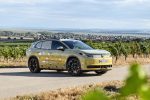
Volkswagen ID. Tiguan Confirmed as the Electric SUV Successor to the ID.4

Volkswagen is giving its electric SUV strategy a familiar name. The automaker has officially confirmed that the successor to the ID.4 will be called the ID. Tiguan, bringing one of VW’s most recognizable nameplates into its next generation of electric vehicles. The move also signals a broader change in how Volkswagen plans to name its EVs, leaning on established models such as Tiguan rather than keeping its electric lineup separated by numerical ID designations. The ID. Tiguan is scheduled to make its world premiere in early October before reaching the European market in early 2027.
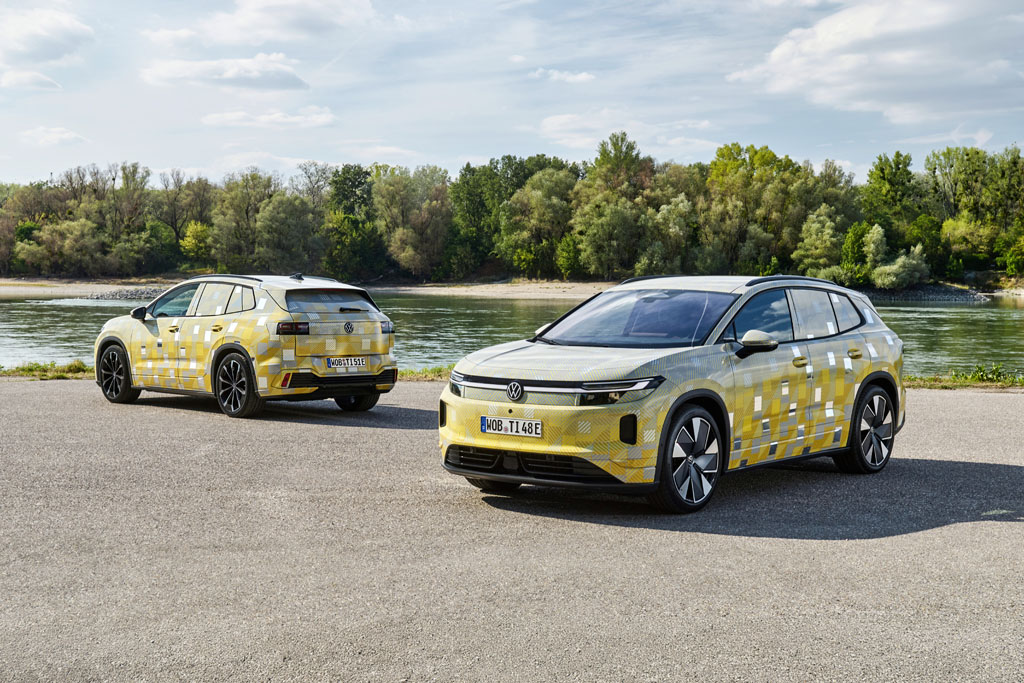
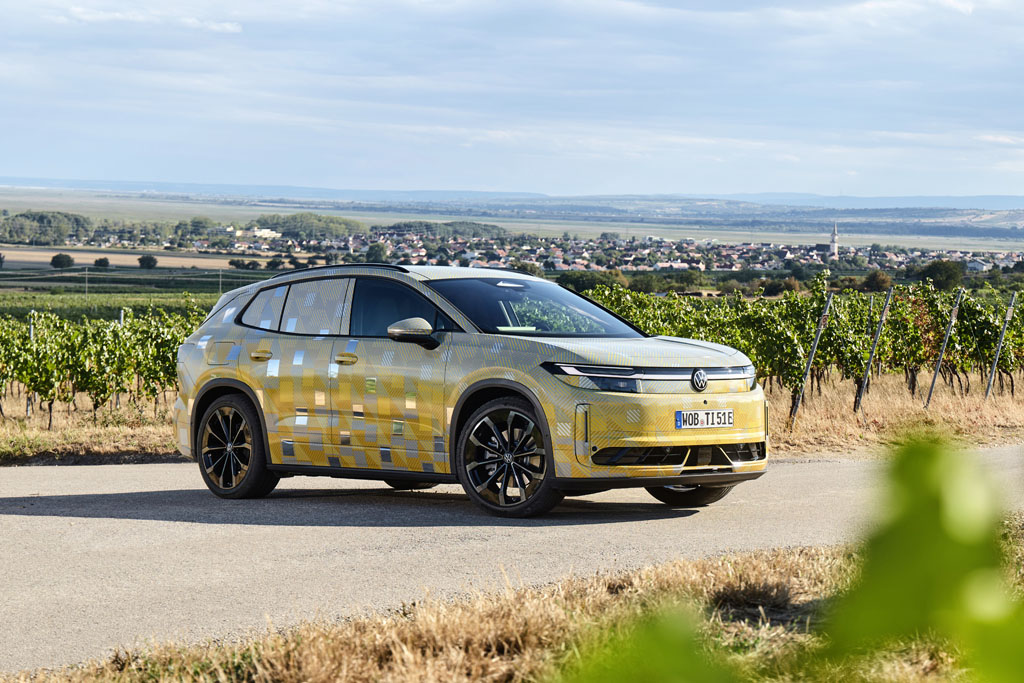
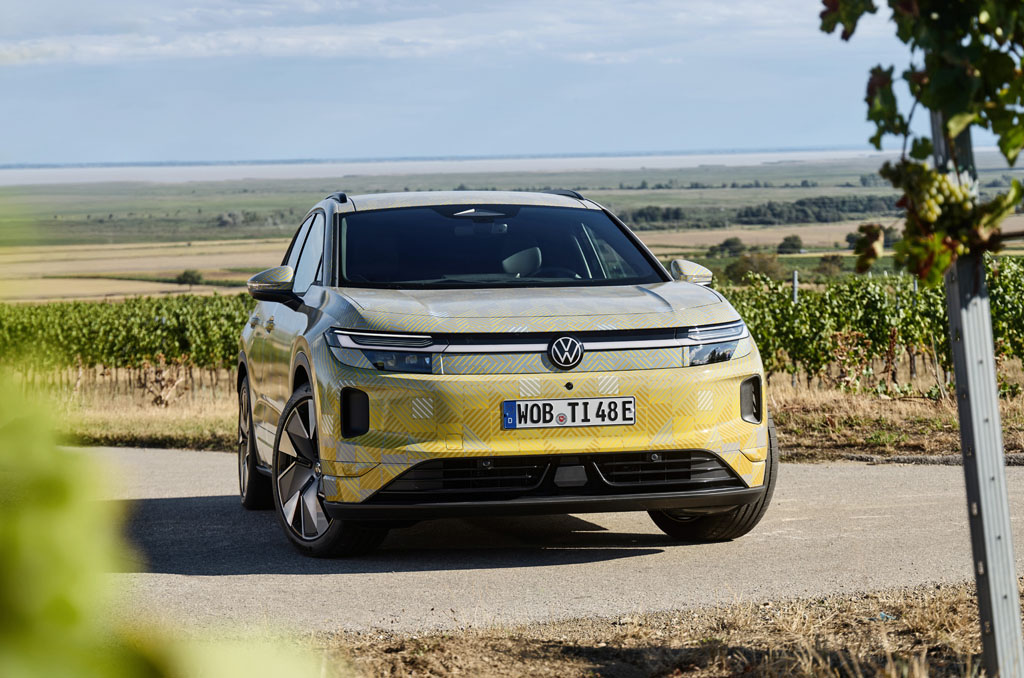
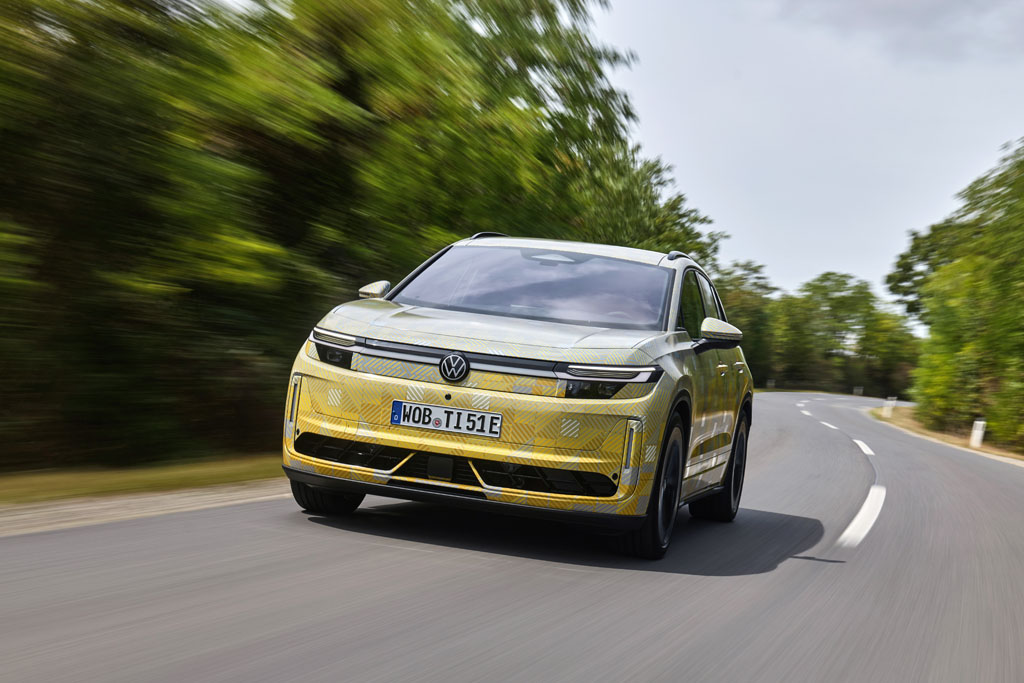
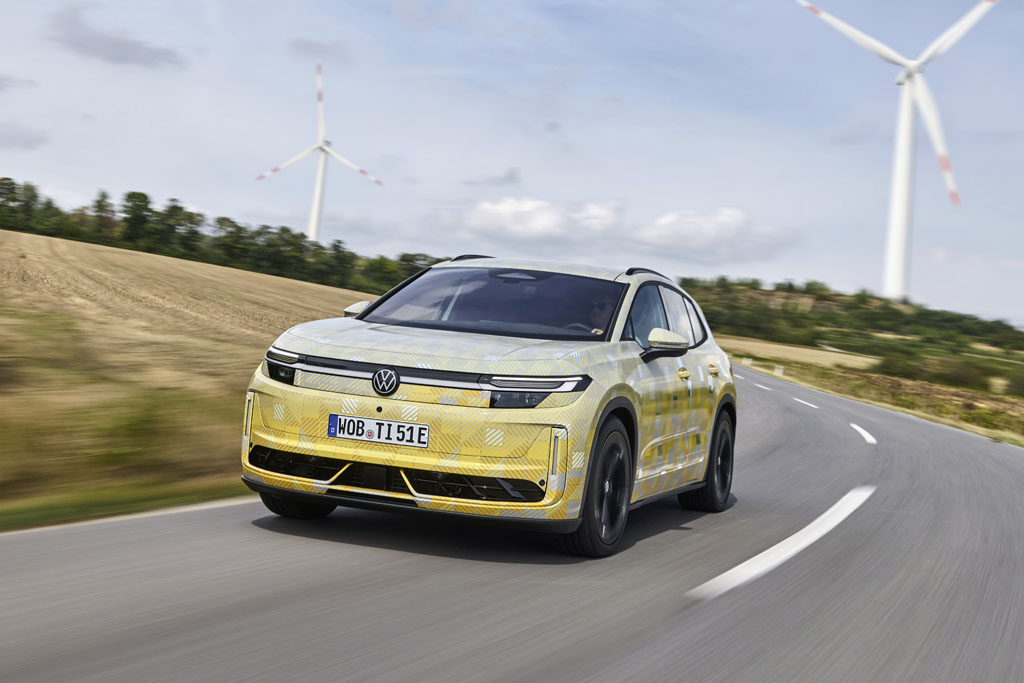
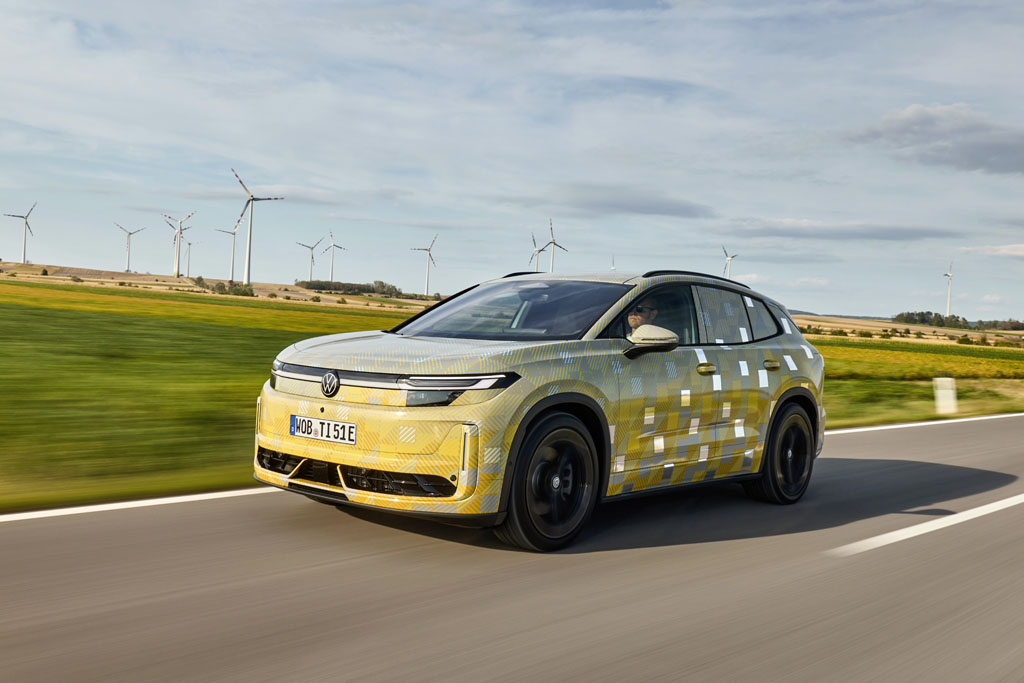
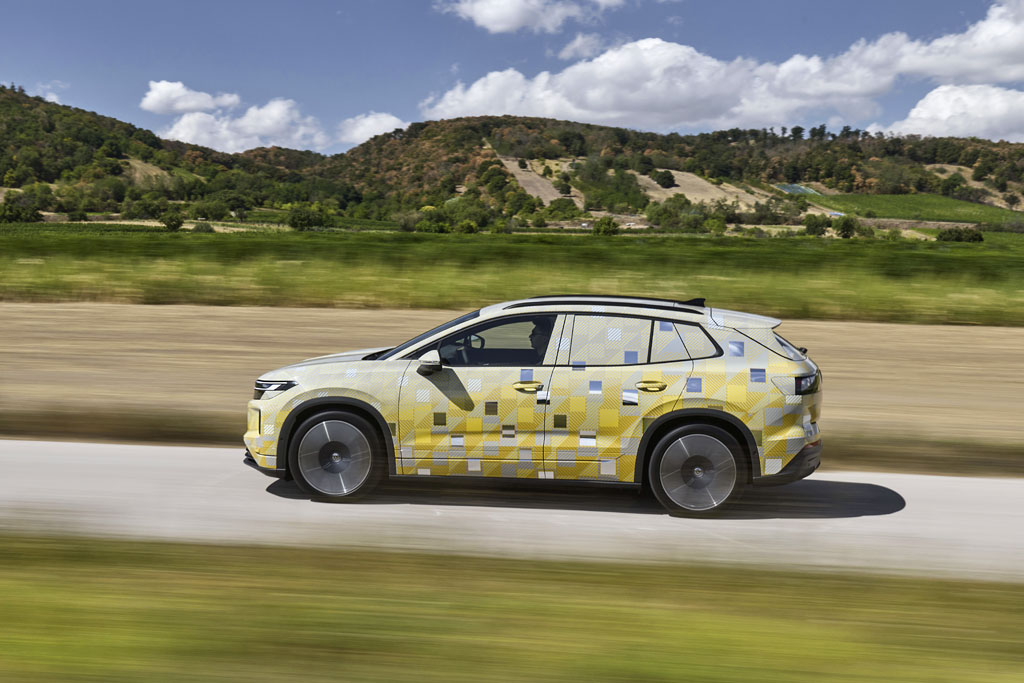
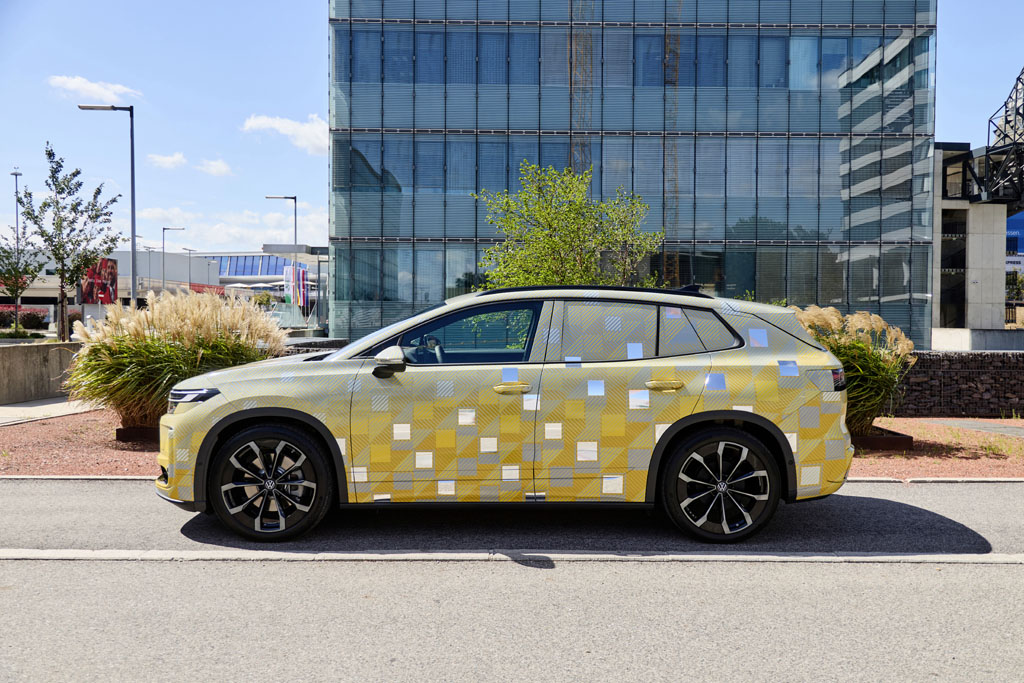
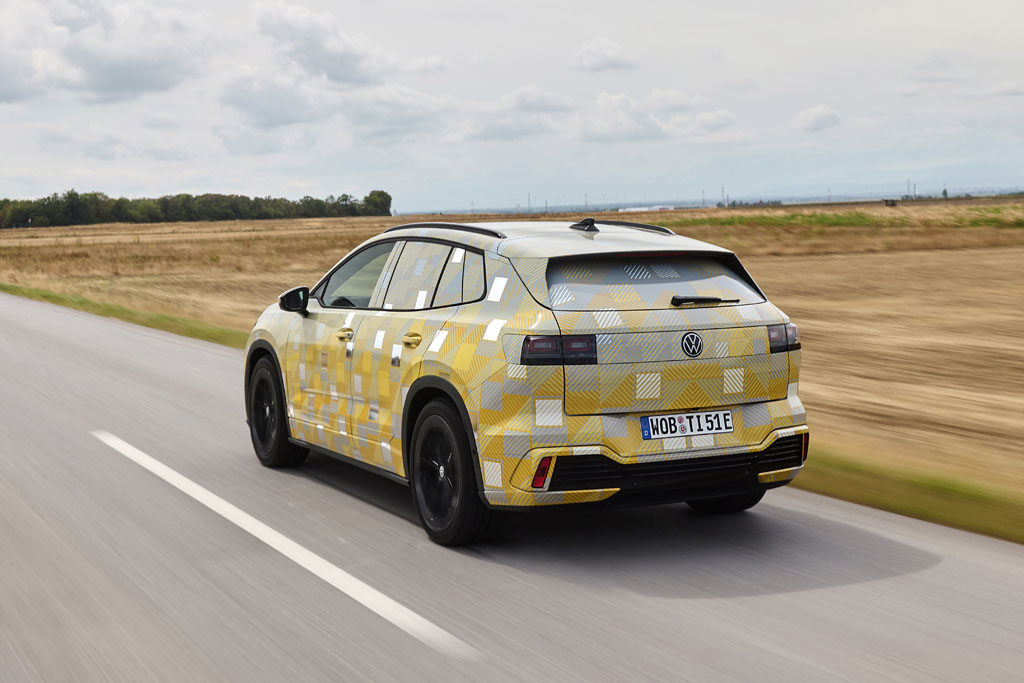
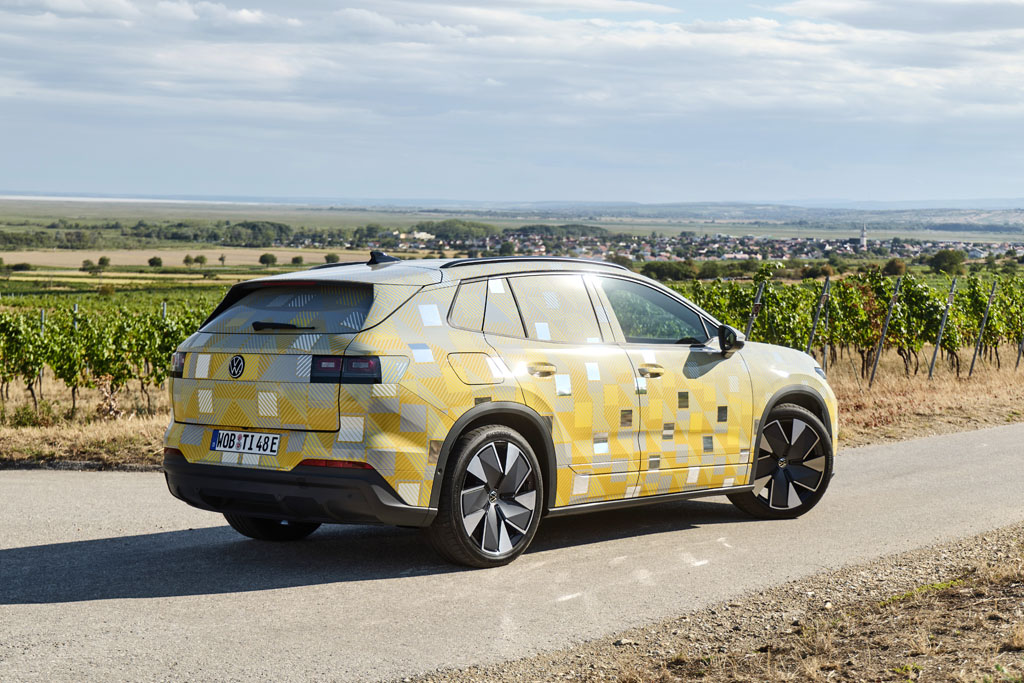
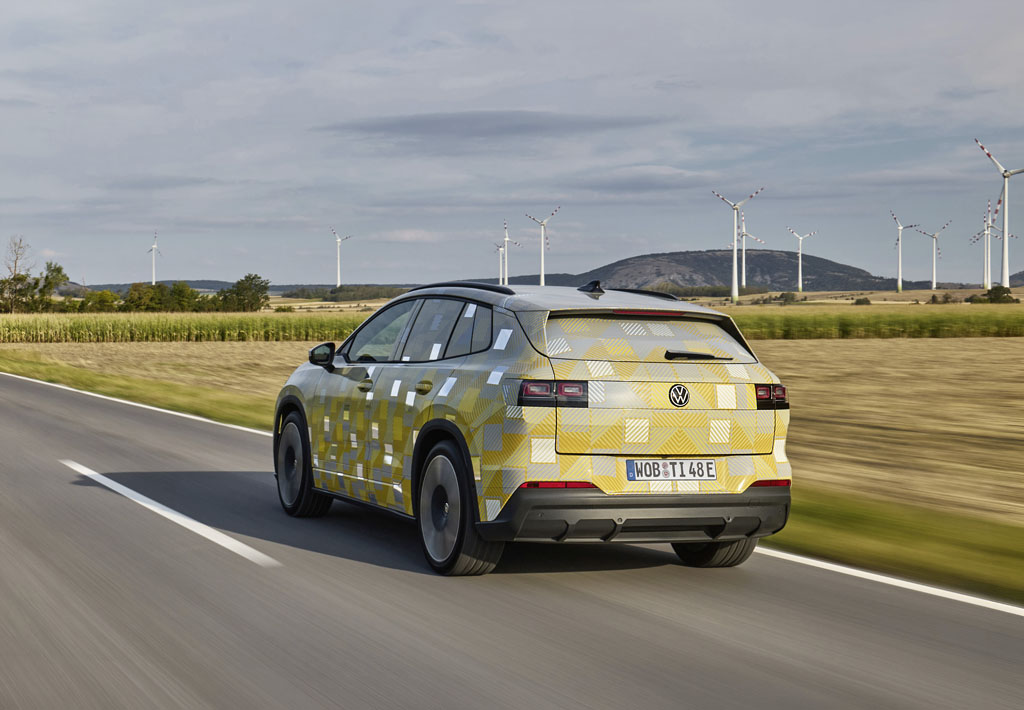
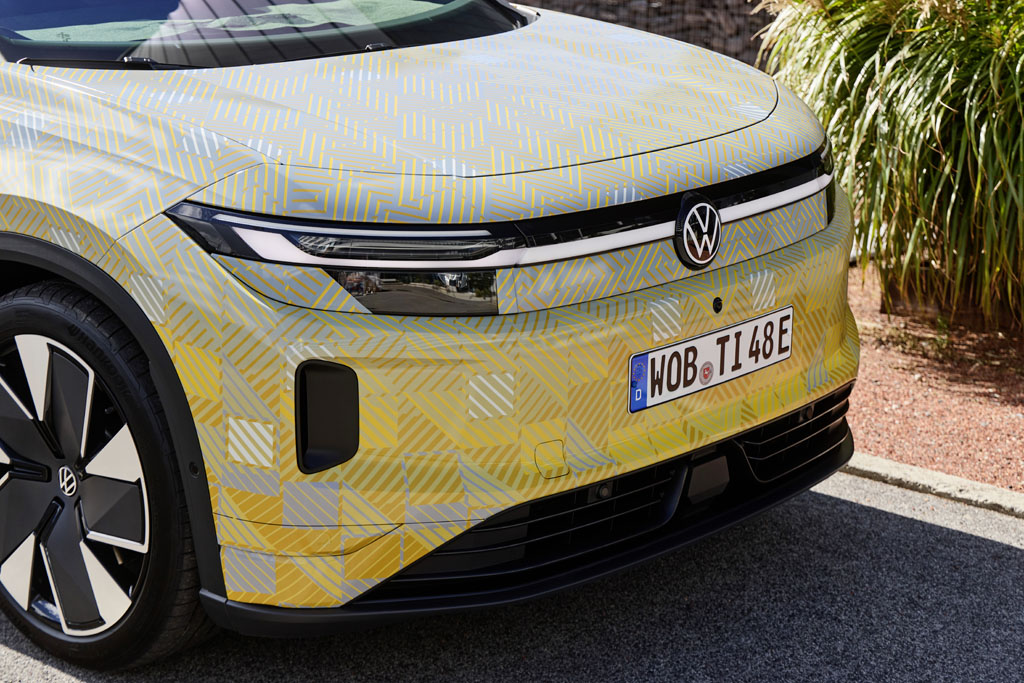
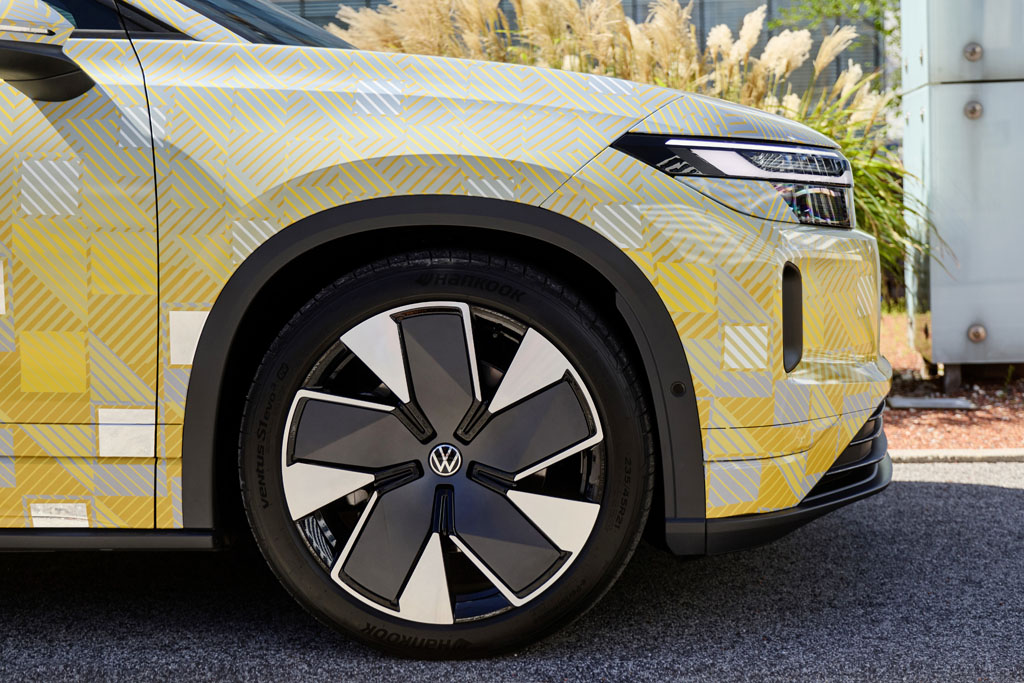
For now, Volkswagen is keeping most of the important specifications under wraps, but camouflaged prototypes offer a useful preview of where the ID. Tiguan is headed. The overall profile remains relatively smooth and aerodynamic, which should be familiar to anyone who has spent time around an ID.4. Look closer, however, and there are noticeable changes. The front appears to incorporate a full-width lighting treatment, while the rear receives a more rectangular taillight design. Volkswagen says the new SUV will feature a fresh design, so there is likely much more hiding underneath the camouflage than the familiar proportions initially suggest.
The bigger story could be what happens beneath the bodywork. Volkswagen has yet to announce battery capacity, output, charging speeds or official driving range, leaving plenty to be revealed at the ID. Tiguan’s formal debut. The outgoing ID.4 offered rear-wheel-drive and all-wheel-drive configurations, with the 2026 ID.4 Pro rated at up to 291 miles of EPA-estimated range. It would be reasonable to expect Volkswagen to target improvements in range, efficiency, charging and overall usability with the ID. Tiguan, particularly as competition among electric compact SUVs continues to intensify. Exact specifications, however, will have to wait for Volkswagen’s official announcement.
Calling the new EV the ID. Tiguan also makes plenty of sense from a branding perspective. Volkswagen says more than 8.3 million Tiguans have been produced, giving the name considerably more recognition than the relatively young ID.4 badge. Rather than asking customers to learn an entirely separate family of electric models, VW can use familiar names while retaining the ID. prefix to identify the battery-electric versions. Importantly, the ID. Tiguan is not replacing the conventional Tiguan altogether. Volkswagen plans to sell the electric model alongside Tiguan variants powered by combustion engines and hybrid systems in markets where those versions are offered.
Europe will get the ID. Tiguan first, with sales expected to begin in early 2027. The situation in the United States is more complicated following the end of ID.4 production at Volkswagen’s Chattanooga, Tennessee, plant in 2026, and details surrounding a future U.S.-market electric SUV remain limited. Volkswagen’s upcoming reveal should answer many of the questions surrounding the ID. Tiguan and give us a much clearer idea of just how significant a step forward it represents. What is already clear is that Volkswagen sees value in combining its electric future with names buyers already know, and the Tiguan is a logical place to start.

More Stories
Do You Need SR-22 Insurance Without Owning a Car?
Selling your car does not always cancel your legal obligations. Drivers who owe the state an SR-22 can still be...
Citroën Has Turned the C3, C3 Aircross and Even the Ami into “Outdoor” Models – but Don’t Expect Serious Off-Road Hardware
Citroën has decided that everyday life needs a little more adventure. Its solution isn’t a new four-wheel-drive system, locking differentials...
Luxury Car Expert Reveals the Vehicle Upgrades Worth Paying For (And the Ones that Could Devalue Your Vehicle)
Many supercar owners look to personalise or enhance their vehicle, but not all upgrades are equal when it comes to protecting or...
How Much Is Your Springfield Car Accident Claim Worth?
Photo Credit Sorting out what your car accident claim is worth in Springfield doesn’t have to feel overwhelming, even when...
Thailand July 2026: Help needed!
The Geely EX2 is up to #5 in Thailand in July. Our Thai traditional source has dried up and we...
Explore: The cars of Dubai, UAE
Smart #5 and Hyundai Accent Recently I have been lucky enough to have a quick layover in Dubai. This was...