
McLaren Updates Its Logo as the Supercar Brand Prepares for SUV Expansion

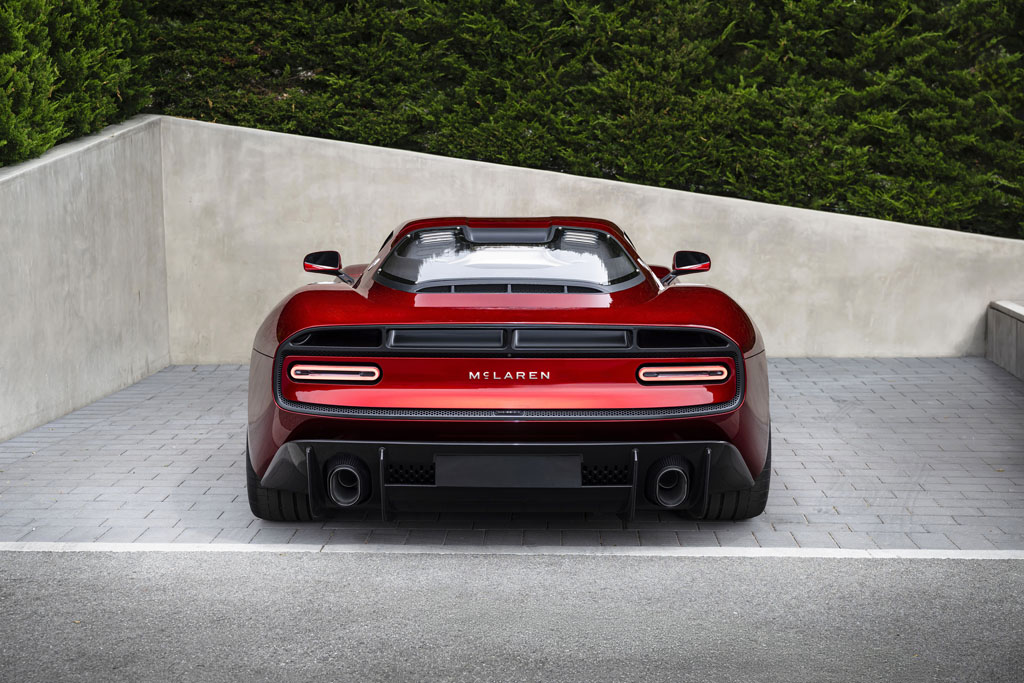
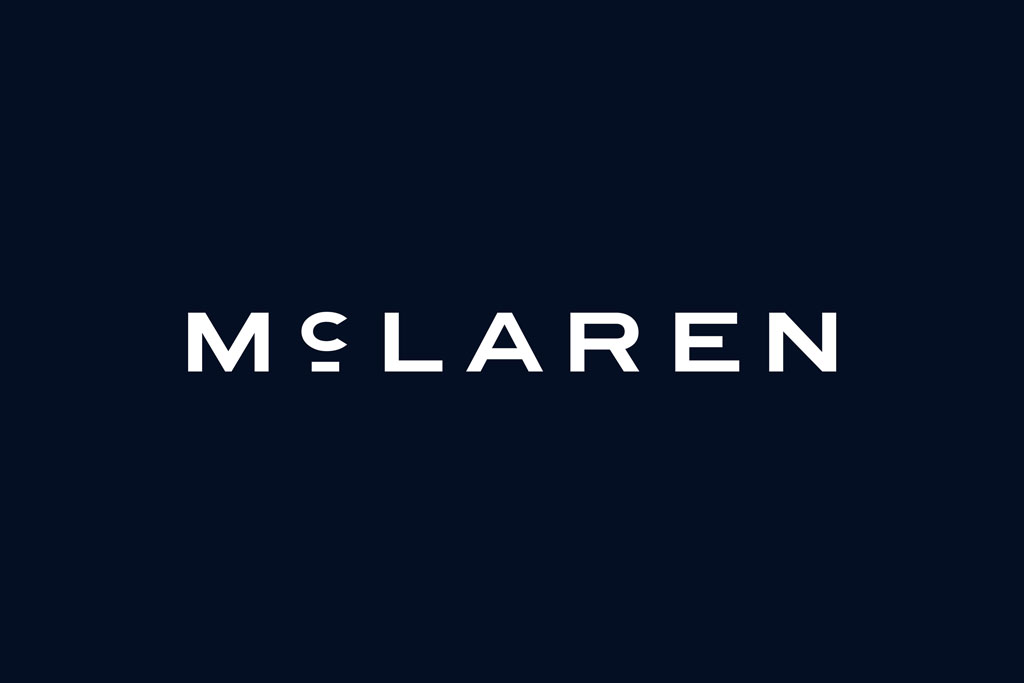
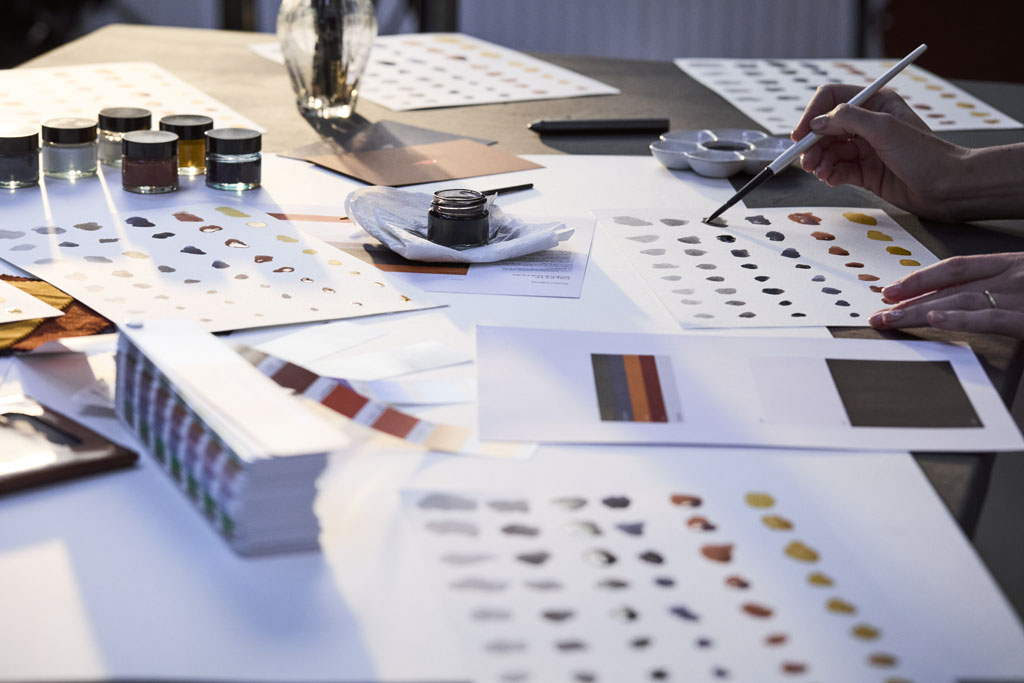
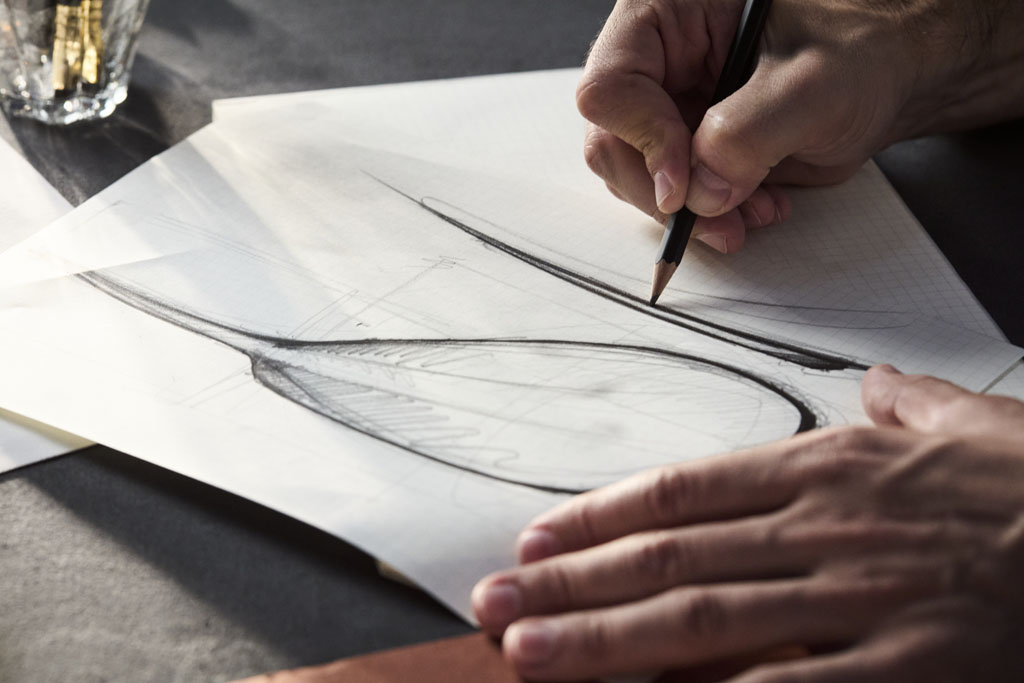
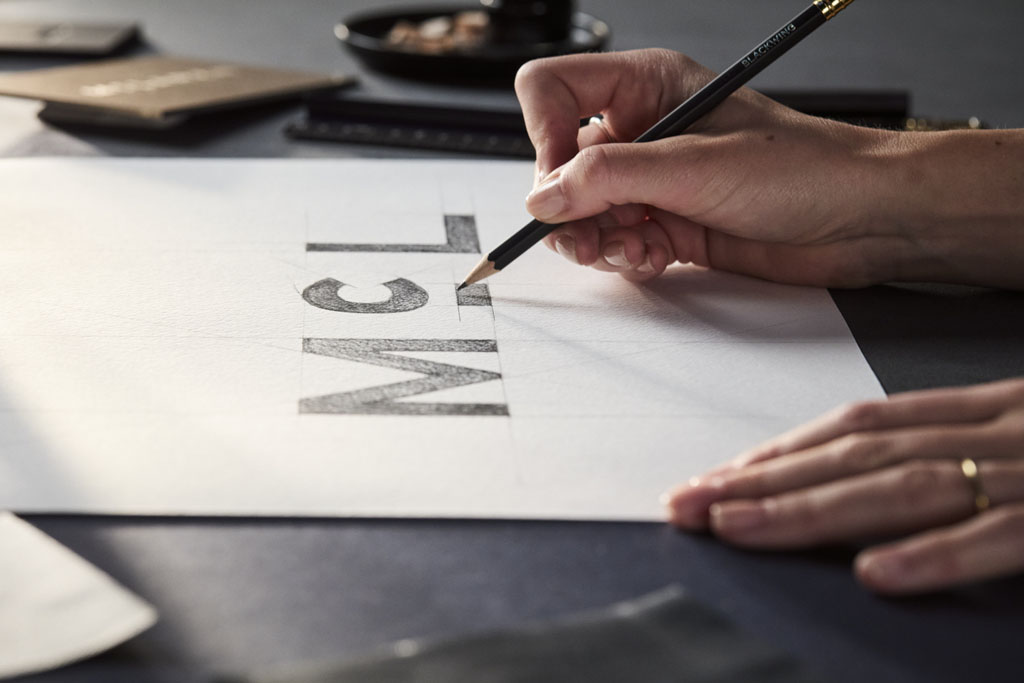
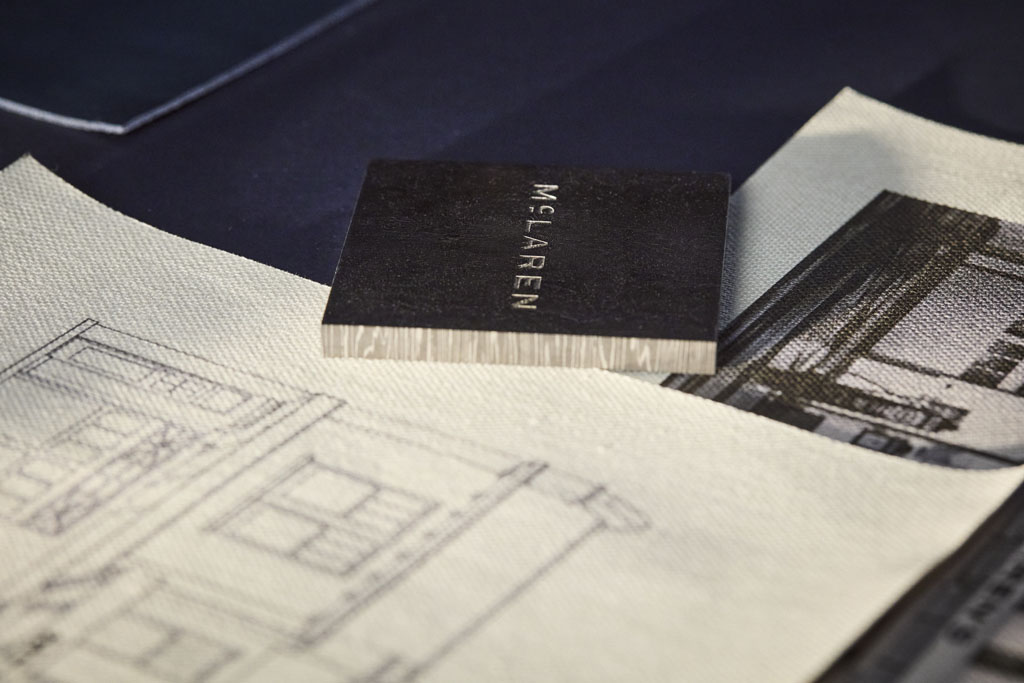
McLaren is the latest automaker to freshen up its corporate identity, but unlike some recent logo redesigns, the British performance brand is looking backward as much as it is forward. The company has unveiled an evolved wordmark and updated visual identity that will be used across both McLaren Automotive and McLaren Racing. The familiar Speedmark remains part of the package, which is probably a smart move considering how closely that shape has become associated with McLaren’s road cars and motorsport efforts over the past three decades.
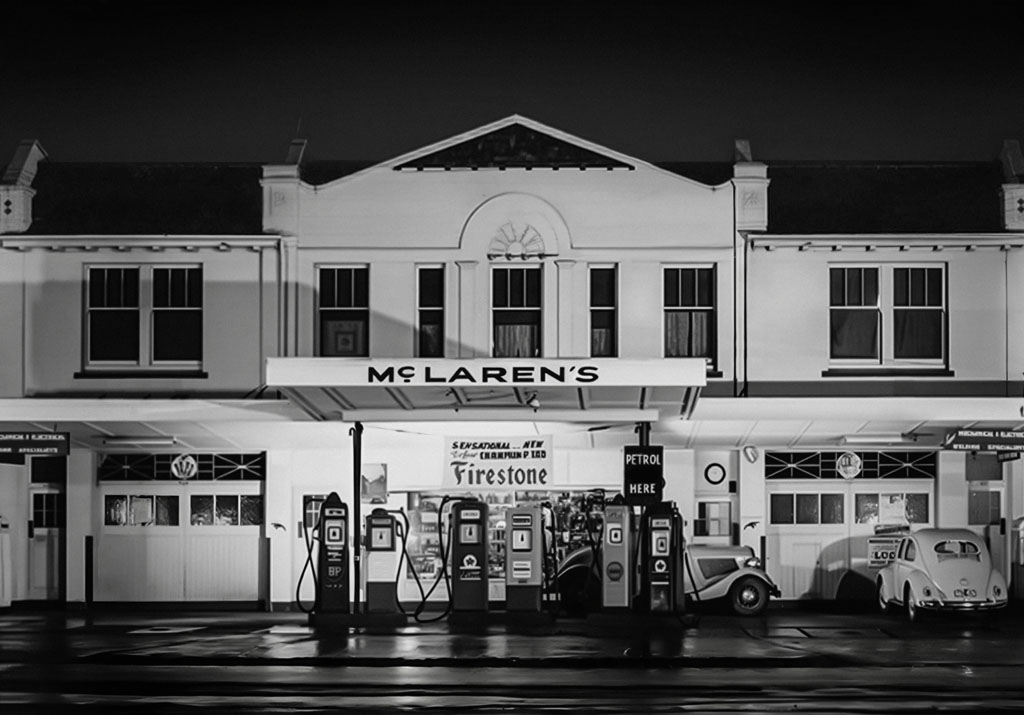
The biggest inspiration for the new look comes from founder Bruce McLaren’s early years in New Zealand. McLaren says the redesigned wordmark takes cues from signage that appeared above his family’s service station in Remuera, Auckland, where Bruce worked around cars long before his name appeared on some of the world’s fastest machines. That connection gives the new branding more substance than a typical corporate redesign. Rather than simply flattening an existing badge for use on smartphone screens, McLaren is reaching into its own history for something that can still feel modern.
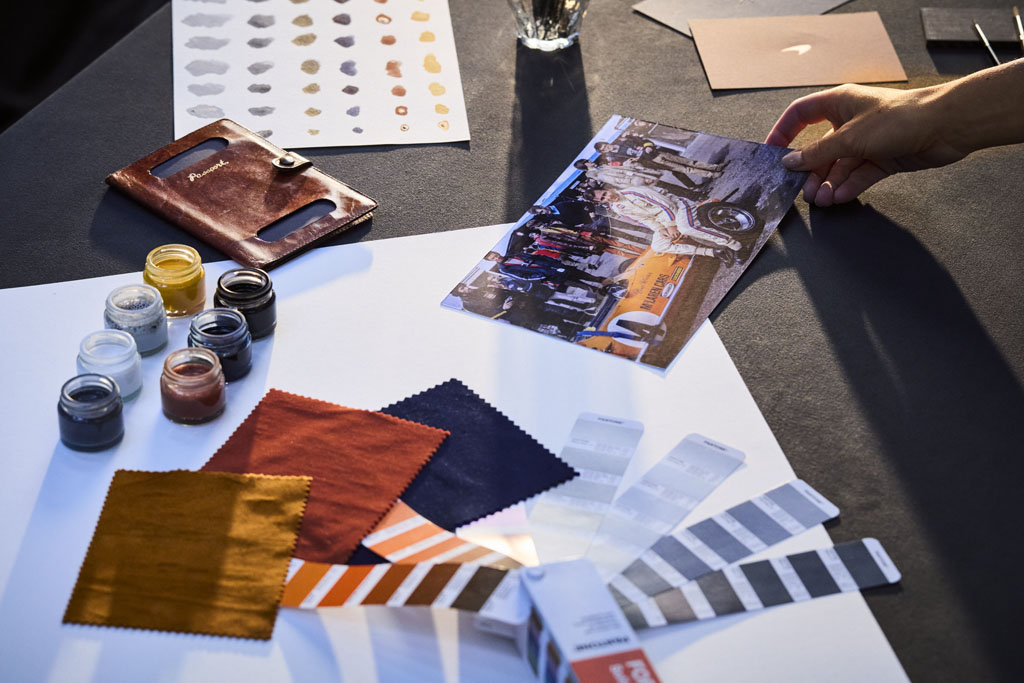
McLaren’s logo has changed numerous times since the racing team was founded in the 1960s. Early versions prominently featured a kiwi in recognition of Bruce McLaren’s New Zealand roots, followed later by the famous Speedy Kiwi. The modern Speedmark first appeared in the late 1990s and has evolved into one of the company’s most recognizable visual signatures. That element survives the latest transformation, while papaya remains central to McLaren Racing’s identity and the broader color palette draws inspiration from important moments throughout the company’s history.
The timing of the redesign is also important because McLaren itself is about to look considerably different. The company recently confirmed plans to move beyond the two-seat, mid-engine supercars that have largely defined its modern road-car business. A new performance SUV is coming as part of that expansion, supported by a major investment in McLaren’s UK manufacturing and engineering operations. There has also been discussion of additional front-engine vehicles with more passenger space, meaning the McLaren badge could soon appear on vehicles that would have seemed almost unthinkable for the brand a decade ago.
That broader product strategy makes the new identity feel less like a simple badge update and more like a marker for McLaren’s next era. The company clearly wants to grow without losing the racing heritage and engineering mindset that made the name valuable in the first place. We will have to see how enthusiasts respond when that refreshed badge eventually appears on something taller and more practical than a 750S, but McLaren is at least making an effort to carry Bruce McLaren’s story with it as the brand ventures into unfamiliar territory.




More Stories
Vantrue Nexus N4 Pro S Dashcam Review – Bringing Meaningful Camera and LTE Upgrades
Dashcams continue to become one of those accessories that we consider nearly essential for driving today. Beyond documenting an accident,...
2026 GMC Hummer EV Pickup Invoice Price, Dealer Cost, and How to Get the Best Deal Near You
The 2026 GMC Hummer EV Pickup is the most distinctive electric truck available right now, and buyers who know what...
2027 GMC Sierra 1500 Prices Climb as Next-Generation Truck Brings New V8 Power
The redesigned 2027 GMC Sierra 1500 is bringing fresh styling, more technology, and a new generation of V8 power, but...
GM May Not Bring Apple CarPlay Back to Future EVs After All
Just when it looked like General Motors might finally be reconsidering its controversial decision to remove Apple and Android Auto...
2028 Jeep Grand Cherokee Could Finally Get 420-HP Hurricane Inline-Six Power
The Jeep Grand Cherokee may be getting the engine many enthusiasts have been waiting for. According to a new report...
GM Teases Massive 8.3-Liter Duramax Mongoose Diesel V8 for 2027 Silverado HD and Sierra HD
General Motors is making it clear that the heavy-duty diesel horsepower war is nowhere near finished. GM has officially teased...