
Paul Smith chairman calls Frasers’ Harvey Nichols takeover ‘dubious’

The executive chairman of Paul Smith has questioned the ethics of Frasers Group’s £43.3m takeover of Harvey Nichols, completed through a pre-pack administration in August that is expected to leave suppliers recovering less than 15 per cent of their debts.
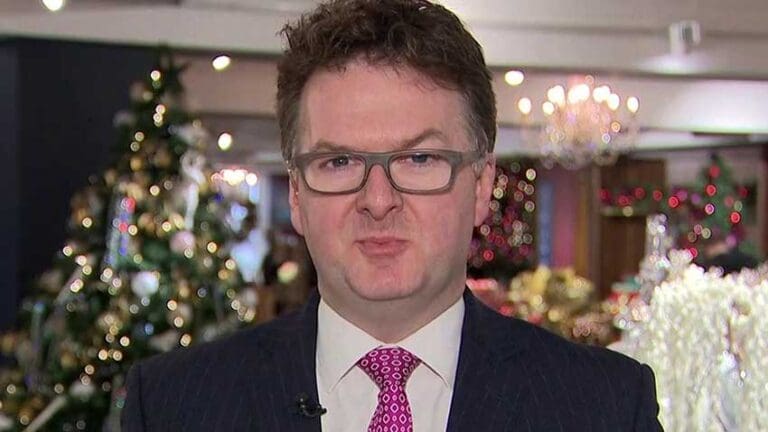
“I personally find this whole thing about pre-pack administrations just dubious in terms of ethics and the way business gets done,” Ewan Venters, who was appointed chair of the fashion house last October, told the BBC Big Boss podcast.
Frasers, which is controlled by the billionaire Mike Ashley, bought the luxury department store through the pre-pack process. Critics argue such deals can leave creditors carrying unpaid debts.
According to the latest estimates from administrators, Harvey Nichols’ unsecured creditors, which include Victoria Beckham, Jimmy Choo and Canada Goose, will receive less than 15 per cent of the £270.5m they were owed, leaving suppliers with less than 15p in the pound. Other unsecured creditors include Jo Malone, Puig and Estée Lauder.
Filings show Paul Smith was owed £96,537.50. Preferential creditors such as HM Revenue & Customs are expected to be repaid in full.
“I find it all a bit odd and I don’t think that’s a kind way of doing business,” Venters said. He conceded, however, that Harvey Nichols may have been “about to go to the wall and maybe Mike and his team will … keep it going”.
Venters said kindness was too often seen as a “soft” characteristic in business. “Kindness doesn’t mean just soft. But I think put the value of kindness at the heart of doing business, and I think you do business in a better way, with better results, with a happier outcome. All too often you just see very unkind behaviour which I don’t think leads to a healthier society.”
Pre-pack administrations, in which a company’s business or assets are sold before an administrator is formally appointed, have faced scrutiny over creditor involvement and sales below market value, according to a House of Commons Library briefing.
Frasers declined to comment.
The deal preserved more than 1,000 jobs and secured the immediate future of Harvey Nichols’ UK stores, including its Knightsbridge flagship. The retailer had failed to make a profit for years under its former owner, the Hong Kong billionaire Sir Dickson Poon, who faces losses of £100m from the sale.
The takeover had already raised concern among brand partners, with Frasers reportedly forcing its way into the auction process this summer. The Sports Direct owner’s reputation was previously damaged by Matches Fashion, which was placed into administration in 2024 weeks after Frasers acquired it, putting hundreds of jobs at risk and leaving suppliers unpaid.
In luxury, brands are struggling to attract Gen Z customers, with slower UK sales compounded by the former Conservative government scrapping VAT-free tourist shopping.
Ashley has long sought to move his retail group, which includes Flannels and House of Fraser, upmarket. This summer Frasers increased its stake in Hugo Boss to just below the 50 per cent needed for majority control and installed its chief executive, Michael Murray, as chairman. In July it disclosed a stake in Burberry.
Paul Smith, founded in 1970, reported a near tripling in pre-tax losses to £16.7m in its latest annual accounts. Slower demand and problems in its wholesale operation have contributed to six years of losses.
Venters said he had brought a “more razor-like focus” to the business, including expanding its direct-to-consumer arm and efforts to “right size the wholesale trade and the costs associated with it.”
He said previous management teams had “taken their eye off the ball” and missed the “disruptive behaviour” in the wholesale market, including consolidation that has allowed larger retailers to demand bigger discounts and promotional support. “You end up with a cost base that is higher than you need to service that, and a real conundrum as to how you still get growth.”
Venters said this year would be “a step change”. “We will still be a lossmaking business but we will probably nearly halve the losses in the first year of recovery. And we can see a growth plan that gets us back into profitability and where the business needs to be.”


More Stories
Reed names five young founders as first entrepreneurs fund winners
Reed, the recruitment company, has named the first five winners of its All About Business Entrepreneurs Fund, with each young...
UK business owners face fourth-highest tax bill of 13 major economies
A business owner in the UK taking £160,000 a year in salary and dividends would face the fourth-highest overall tax...
Chemify secures £22m public backing for £89.9m Glasgow expansion
Glasgow-based digital chemistry company Chemify has secured £22m of public funding towards an £89.9m expansion that it says will create...
Three directors fined in first identity verification prosecutions
Three company directors have been fined in the first prosecutions brought by the Insolvency Service for failing to comply with...
Nine in 10 UK manufacturers use automation to manage disruption
Almost nine in 10 UK manufacturers are using automation of robotics, operations and storage to manage business disruption and demand...
Treat defence spending as industrial strategy like Canada, Healey told
The Chancellor, John Healey, should use Canada as a guide when setting defence spending policy in the Autumn Budget, according...