
EPA Allows Early Winter-Blend Gasoline Sales in Push to Lower Pump Prices

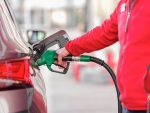
Drivers could get at least some relief at the gas pump after the Environmental Protection Agency moved to allow winter-blend gasoline to reach the market earlier than usual. The temporary federal waiver effectively ends portions of the summer gasoline requirements ahead of schedule, giving refiners, terminals, and fuel retailers more flexibility as the country deals with elevated fuel prices and supply concerns tied in part to ongoing disruptions in the Middle East. The idea is relatively simple: expand the available gasoline supply sooner and potentially take some pressure off prices at the pump.
The difference between summer and winter gasoline comes largely down to volatility, measured using Reid Vapor Pressure, or RVP. Summer-grade gasoline is formulated with lower volatility because gasoline evaporates more readily in hot weather. Reducing that evaporation helps limit emissions that contribute to ground-level ozone and smog. Winter gasoline can have a higher RVP because colder temperatures make fuel evaporation less of a concern. It is also generally easier and less expensive for refiners to produce, which is one reason the annual transition away from summer fuel can influence gasoline prices.
Normally, federal summertime volatility requirements remain in place through the warmer months, with the transition to winter formulations occurring as temperatures begin falling. The EPA’s latest action moves that transition forward, essentially giving the fuel industry access to gasoline that otherwise would have remained restricted for a little longer. The agency has already used a series of fuel waivers during 2026, including measures involving ethanol blends, as officials have sought ways to maintain supplies while energy markets remain unsettled.
There is, however, an environmental tradeoff. Higher-volatility gasoline is more prone to evaporative emissions, particularly when temperatures remain high. Modern vehicles have sophisticated evaporative-emissions systems designed to capture gasoline vapors, but no system eliminates every potential source of emissions throughout the fuel distribution and vehicle fleet. When multiplied across millions of vehicles and gallons of gasoline, increased evaporation can contribute to additional volatile organic compounds and ultimately more ground-level ozone. That is precisely why separate summer gasoline standards exist in the first place.
For motorists, the immediate question is whether any of this translates into noticeably cheaper gasoline. Increasing supply and making it easier to distribute a common pool of fuel can help reduce some upward pressure on prices, but crude oil costs, refinery output, regional inventories, transportation expenses, taxes, and geopolitical events all play much larger roles in determining what appears on the station sign. The EPA’s early move to winter-blend gasoline is therefore unlikely to produce a dramatic overnight drop by itself, but with gasoline prices already squeezing household budgets, even a modest improvement would be welcome news for drivers heading into the fall.


More Stories
2027 Chevrolet Equinox Invoice Price, Dealer Cost, and How to Get the Best Deal Near You
The 2027 Chevrolet Equinox is on dealer lots now with confirmed pricing and one of the strongest transaction datasets of...
BSCB featured in French weekly Auto Plus
For the second time this summer, BSCB is featured in French weekly Auto Plus (the best-selling automobile weekly in the...
2027 Lexus IS Special Appearance Package Goes Green With BBS Wheels and V6 Power
Lexus is celebrating 25 years of the IS with a properly distinctive version of its long-running sport sedan. The newly...
Days of Thunder Sequel Brings Tom Cruise Back as Cole Trickle in Summer 2028
More than three decades after Cole Trickle first fired up a NASCAR stock car on the big screen, Tom Cruise...
Analyzing GTA VI: A Car Enthusiast’s Perspective
Grand Theft Non-Auto In context of my current day job and former career, I had a good look at the...
Moving to New Orleans? Ship Your Car and Learn the Streets Later
Relocating to New Orleans is an exciting experience. Whether you’re moving for work, school, retirement, or simply looking for a...