

2027 Volkswagen Atlas Cross Sport Debuts With Cleaner Styling, More Power, and a Much Nicer Cabin

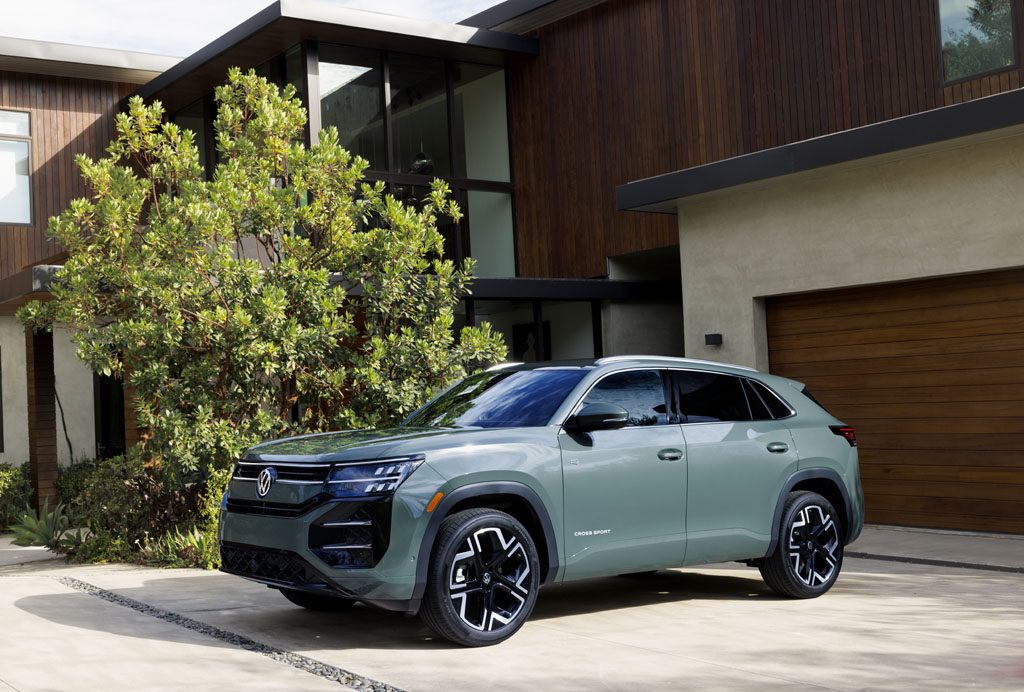
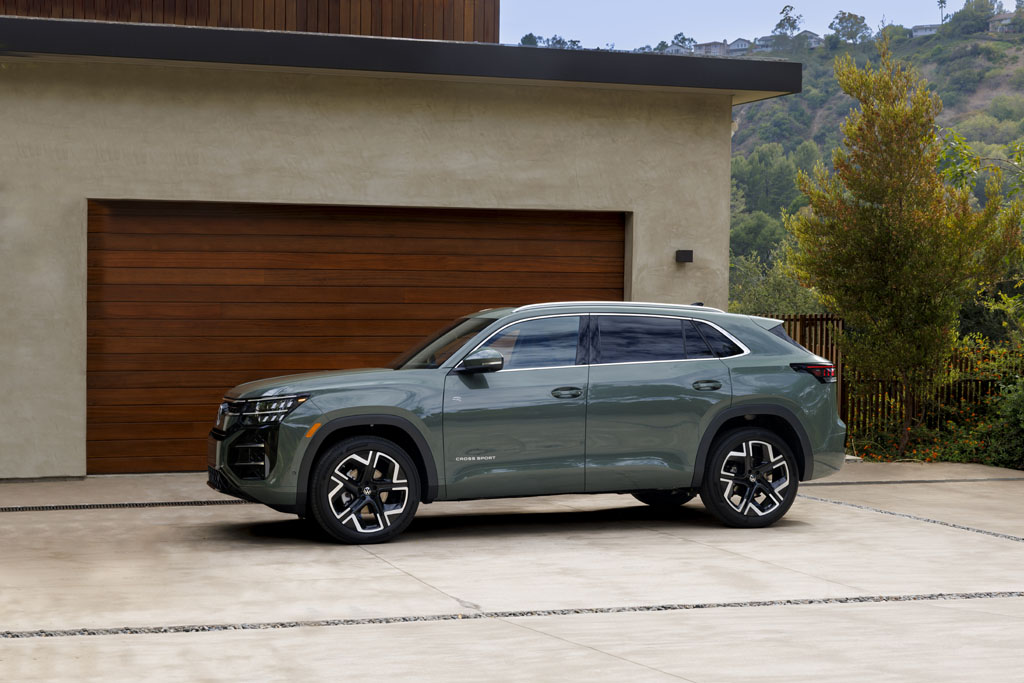
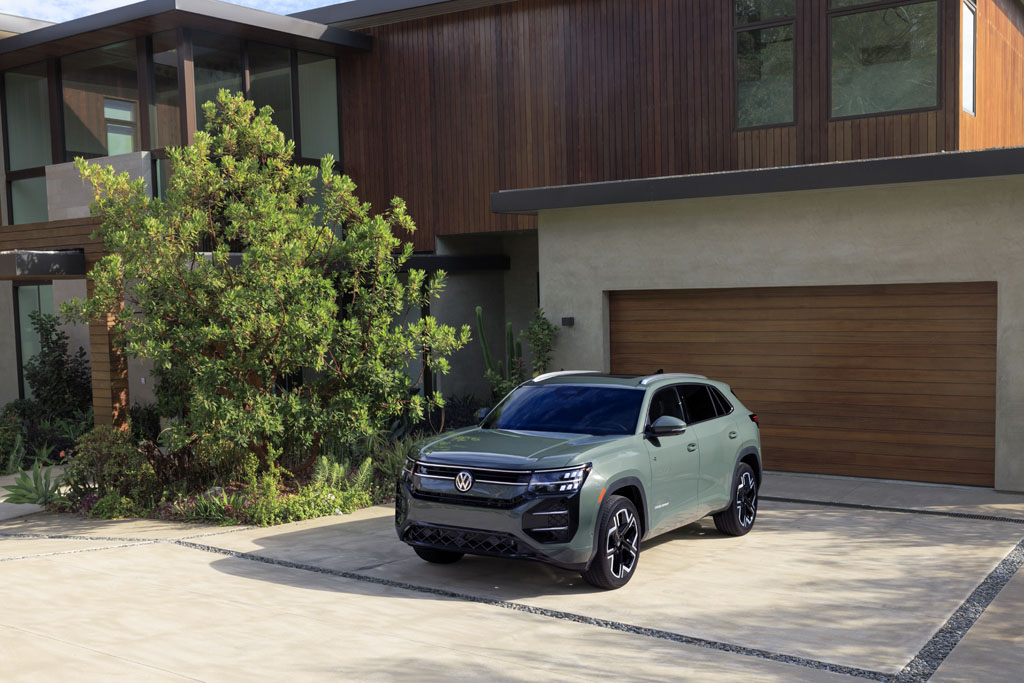
Volkswagen is giving the 2027 Atlas Cross Sport a cleaner and more polished second act, and the result looks like a smarter evolution of the five-seat SUV formula. Still positioned as the sleeker two-row sibling to the three-row Atlas, the new Atlas Cross Sport rides on the same MQB Evo architecture and keeps the same basic width and wheelbase. The difference is in the attitude. Volkswagen has smoothed out the bodywork, sharpened the details, and given the Cross Sport a more mature look that should age better than the outgoing model.
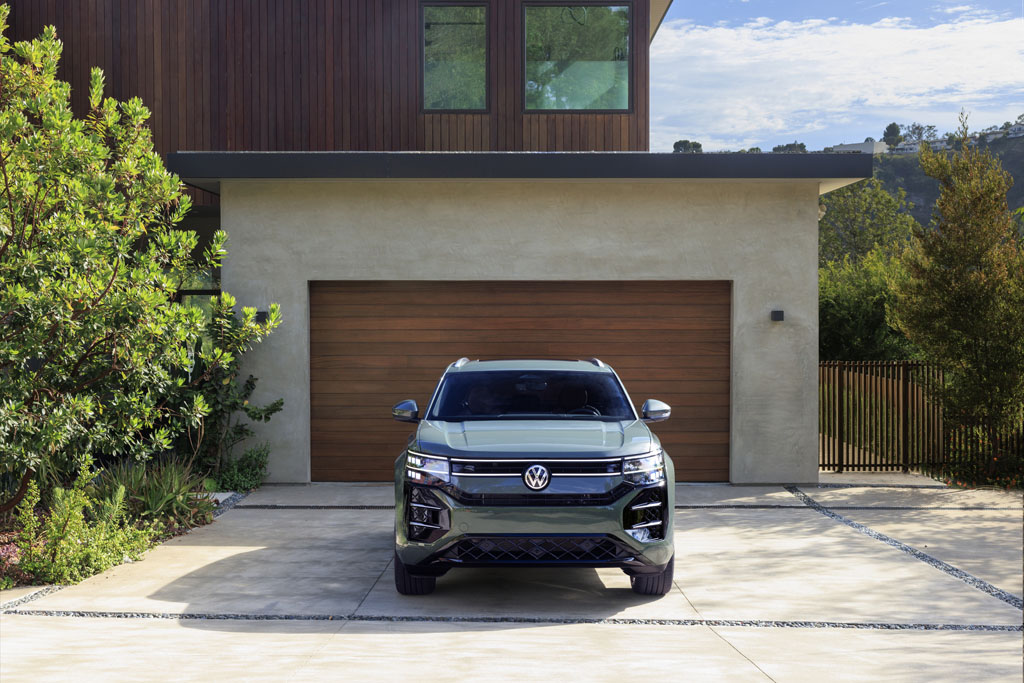
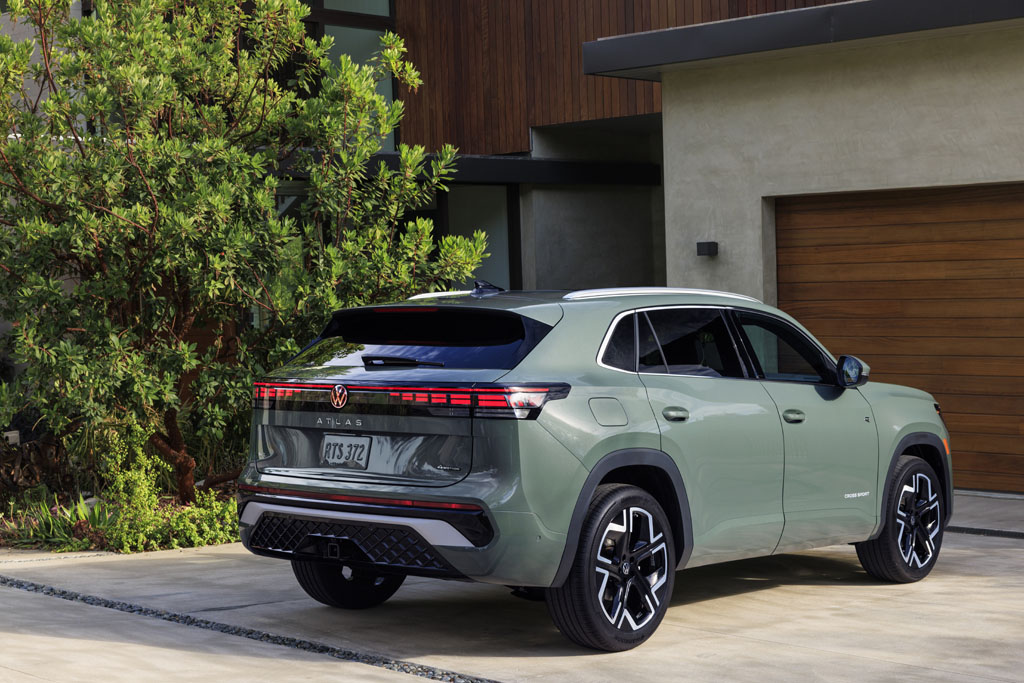
The redesign starts up front with a more squared-off hood, stacked lighting elements, and available double light bars that frame an illuminated VW badge. The sides trade the older model’s heavy character line for smoother surfacing, while the roofline and rear hatch give the Cross Sport its distinct identity. Volkswagen shortened the greenhouse, added more rake to the windshield, trimmed the rear overhang, and made the liftgate glass more angled. The effect is tidier and more upscale without trying too hard to look sporty.
Under the hood, the Atlas Cross Sport sticks with a turbocharged 2.0-liter four-cylinder as its only engine, but it gets Volkswagen’s newer EVO5 version of the EA888. Output rises to 282 horsepower, an increase of 13 horsepower, while torque checks in at 258 pound-feet. The engine uses the Miller cycle and a variable-geometry turbocharger to improve efficiency and response, and it continues to pair with an eight-speed automatic transmission. Buyers will be able to choose front-wheel drive or Volkswagen’s 4Motion all-wheel-drive system across the trim range.
Fuel economy should improve as well, although final EPA numbers for the Atlas Cross Sport have not been released yet. Since the five-seat Cross Sport and three-row Atlas have historically shared ratings, the newly published Atlas figures give us a good idea of what to expect. Front-wheel-drive models should land around 25 mpg combined, while all-wheel-drive versions are expected to come in around 23 mpg combined. That would be a welcome gain for shoppers who want SUV space without stepping into a hybrid or EV.
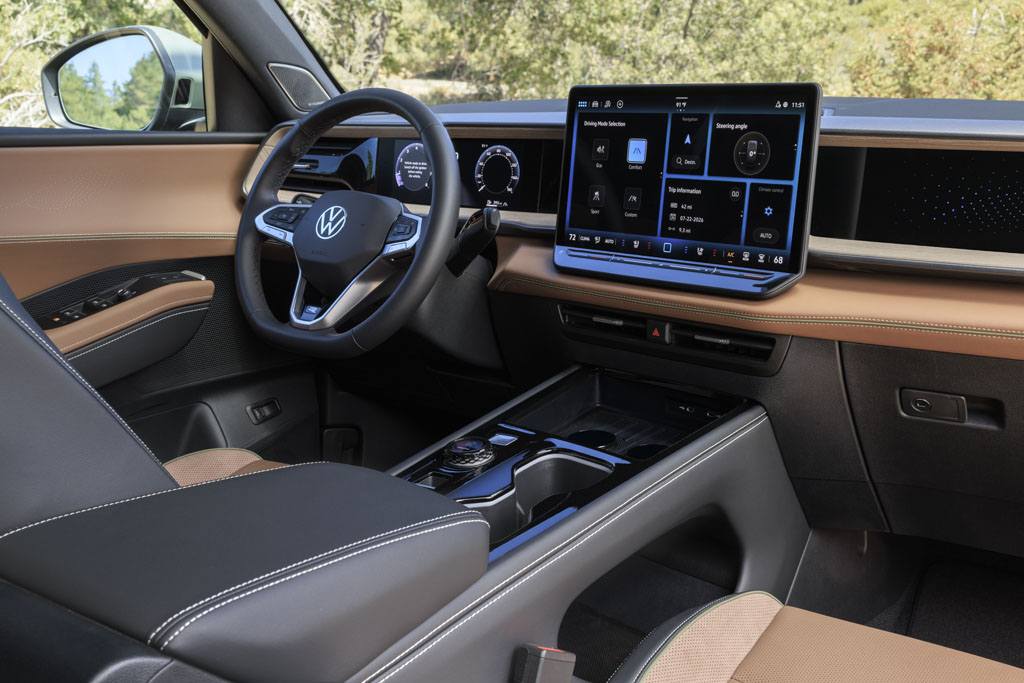
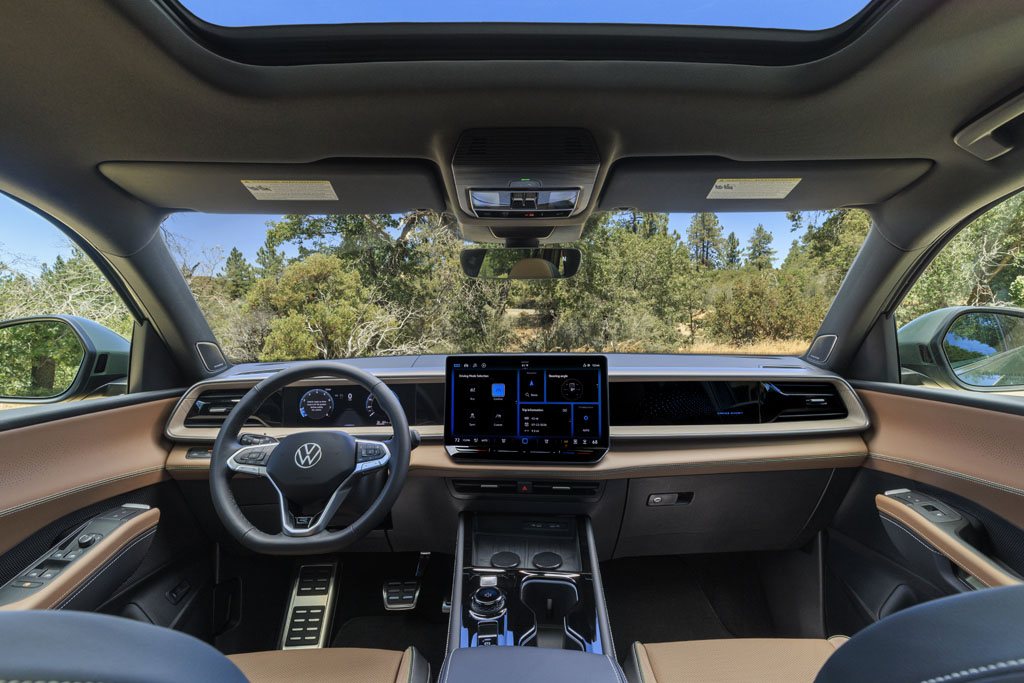
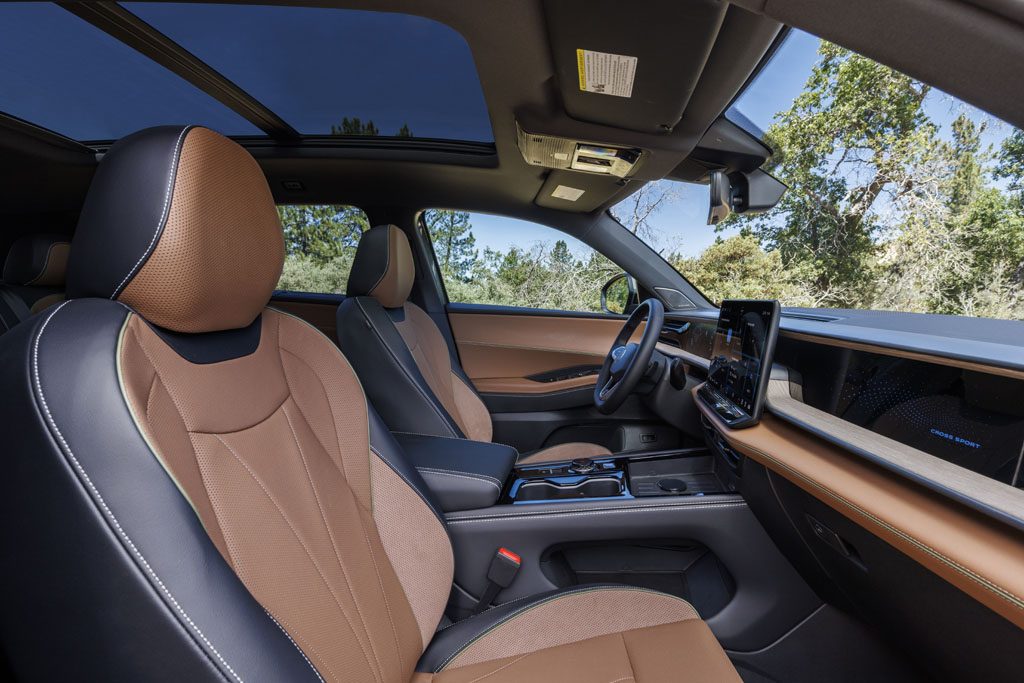
The interior may be the biggest upgrade. Volkswagen has moved toward a more elegant dashboard design with a nearly vertical layout, available real wood trim, and much larger screens. A 12.9-inch center touchscreen is standard on the base trim, while most versions get a 15-inch display. A 10.3-inch Digital Cockpit Pro instrument cluster is standard across the lineup, giving the Cross Sport a tech-forward feel that better matches what buyers now expect in this segment.
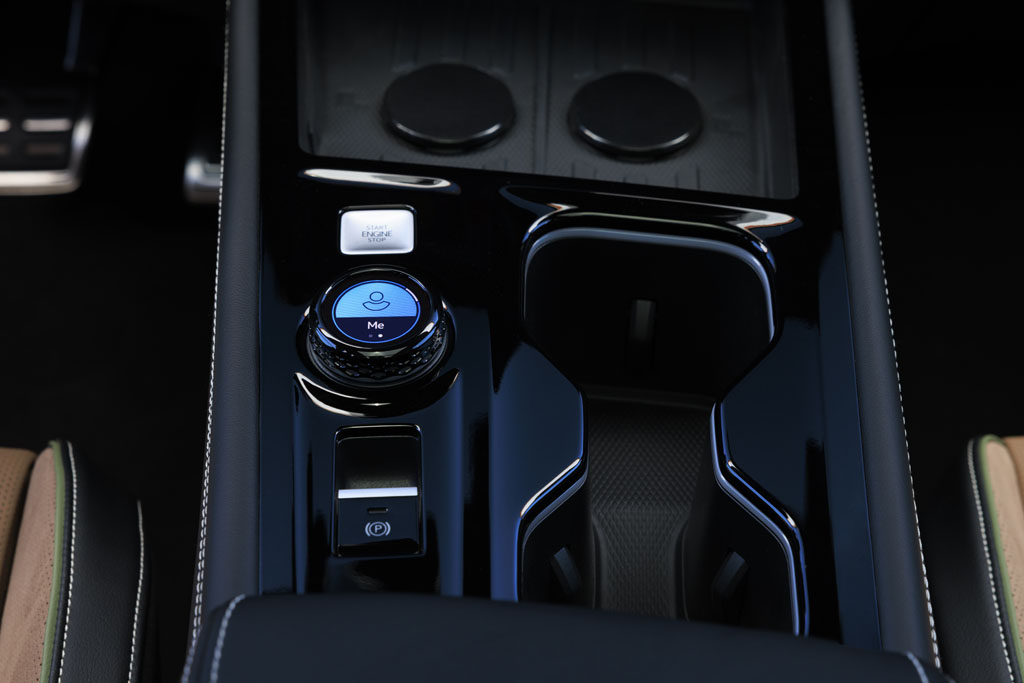
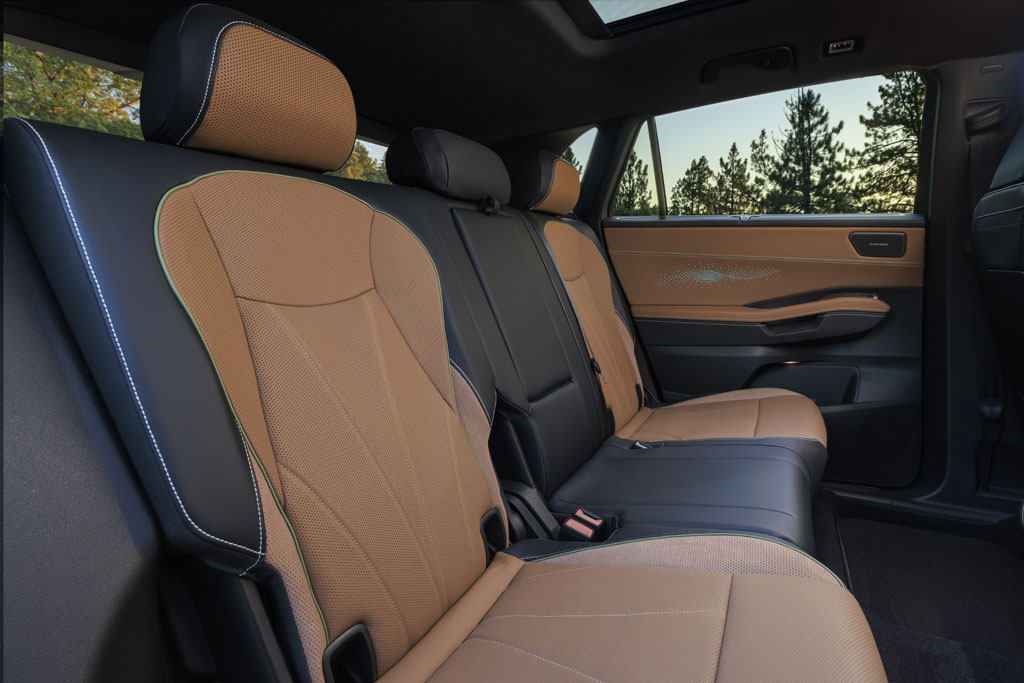
Volkswagen also reworked the center console by moving the shifter to the steering column, opening space for dual wireless phone chargers with magnetic grips, cupholders, and a new Driver Experience Dial. That dial mainly acts as a volume knob, which is good news for drivers tired of everything being buried in a touchscreen, but it can also temporarily control drive modes and ambient lighting settings. Other thoughtful touches include pull-up rear window sunshades, redesigned interior door releases, a standard nine-speaker audio system, and an available 14-speaker Harman Kardon setup on the top trim.
The 2027 Atlas Cross Sport will be offered in SE, SE with Technology, SEL R-Line, and SEL Premium R-Line trims when it goes on sale in early 2027. Like the three-row Atlas, it will be built exclusively at Volkswagen’s plant in Chattanooga, Tennessee. Pricing has not been announced yet, but the updates make the Cross Sport feel like a more complete SUV than before. With cleaner styling, more power, better expected fuel economy, and a far richer cabin, Volkswagen’s five-seat Atlas finally looks ready to stand out for more than just being the shorter one.

More Stories
A Simple Pre-Winter Check for Your Tires and Battery
The first cold morning of the season has a way of finding the weak spots in a car. A tire...
Porsche Mission S Hypercar Teased with 8,000-RPM Redline Ahead of October 15 Reveal
Porsche is preparing to make a serious statement in the world of high-performance automobiles, and its upcoming Mission S hypercar...
Chinese Automaker Geely Coming to Canada in 2027 as New Import Rules Open the Door to Affordable EVs
The North American automotive landscape could be in for a significant shakeup as Chinese automotive giant Geely Auto has officially...
Rivian Goes Ghostbusters for Halloween with Ecto-1 Inspired EVs and Spooky Software Update
Rivian is getting into the Halloween spirit in a big way this year, and fans of the iconic Ghostbusters movies...
Keeping the Ram You Love, Updating the Part You Use Every Day
A favorite vehicle earns its place through use. There are the trips you planned for months, the quick runs for...
Is Your Car Ready for Colorado’s Traction Law?
A clear forecast in Denver can turn into a whiteout at the Eisenhower Tunnel. When that happens, the Colorado Department...