
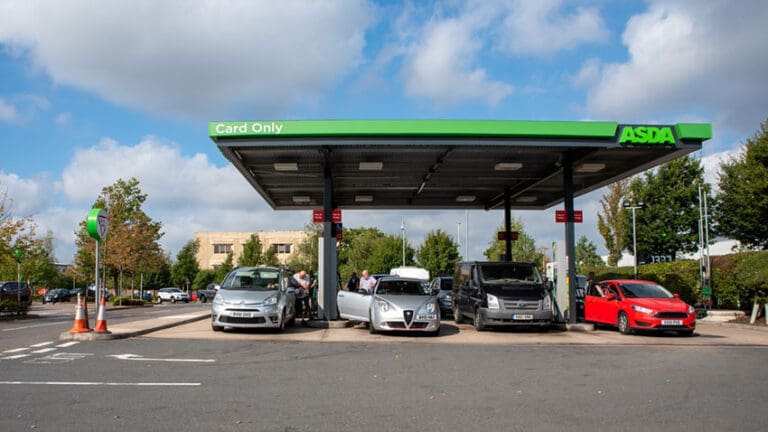
Fuel theft hits £194,000 a day since Iran war began

Fuel taken from UK forecourts without payment is running at an estimated £194,000 a day since the Iran war began on 28 February, according to analysis published this week by fuel theft prevention company Forecourt Eye.
The figure is 48 per cent higher than the daily average recorded in the five months before the conflict started, the company said. Incidents rose by a fifth over the same comparison.
Forecourt Eye based its analysis on a representative sample of 550 forecourts, comparing the five months before the outbreak of war with the five months after it, and extrapolated the results to the 8,359 forecourts across the UK.
On that basis, the company estimates 2,872 incidents a day at UK forecourts in the months after the war began, up from around 2,400 before it. The incidents include drivers leaving without any attempt to pay, and motorists saying they have no means of payment after filling up.
The estimated volume of fuel involved rose by 24 per cent, from about 87,000 litres a day to 108,900 litres. Forecourt Eye said the sector is on course to lose around £70.7 million a year in unpaid fuel value at current rates.
The company said petrol stations are also reporting an increase in “abuse, intimidation and violence from frustrated customers”.
In response, Forecourt Eye said it would partner with facial recognition company Facewatch to offer more than 2,000 retailers free access to crime reporting technology from the autumn. The app will be free to operators already using Forecourt Eye’s fuel debt recovery and automatic number plate recognition systems, with the option of joining a live facial recognition network run by Facewatch that alerts users to known offenders.
Facial recognition has been deployed against retail crime in the UK before. In 2024 the government committed more than £55 million to expand facial recognition systems, including mobile units for high streets, as part of a shoplifting crackdown. Silkie Carlo, director of civil liberties group Big Brother Watch, described that investment at the time as “an abysmal waste of public money”.
The conflict in the Middle East disrupted oil supplies across the region and pushed up wholesale prices, feeding through to the pumps in the UK. Brent crude was about $70 a barrel before the conflict and peaked above $120 during it.
Pump prices peaked in April, then fell back after the US and Iran agreed a framework deal in June to end the conflict. They have risen again since the collapse of the peace talks, and petrol reached 159.97p a litre last week, its highest level since the war began, according to the RAC. Daily averages are published in the motoring group’s Fuel Watch data.
Crude briefly fell back to pre-war levels in June as shipping resumed through the Strait of Hormuz, the waterway through which about 20 per cent of the world’s oil and liquefied natural gas normally passes.
Drivers can compare prices at petrol stations across the UK through the government’s Fuel Finder scheme.
Forecourt Eye also reported a rise in thefts after the Russia-Ukraine war broke out in early 2022.
More Stories
How SMEs Can Turn Compliance into a Competitive Advantage
Yet many established, trusted brands operate in the most tightly regulated industries, among them banking, aviation and pharmaceuticals. Far from...
Entrepreneurs back Clarkson after he questions starting a UK business
Entrepreneurs have backed Jeremy Clarkson after the broadcaster and publican asked the Conservative Party conference this week why anybody would...
New European player plans to back the data centres British businesses will rely on for AI
Ask most British business owners where their AI tools actually run and you will get a shrug. The honest answer...
How to Open a Company in Poland in 2026: A Practical Guide for Founders
If you are planning to open a company in Poland this year, the difference between a smooth launch and a...
Putin clears UniCredit sale in Russia
The Italian lender has faced pressure from European regulators to scale back its operations in the country Russian President Vladimir...
Healey tells bank chiefs no decision made on windfall tax
John Healey, the chancellor, told the chief executives of Britain’s biggest banks today that the UK faces a tough fiscal...