
GSK to move R&D to Cambridge in £400m UK investment

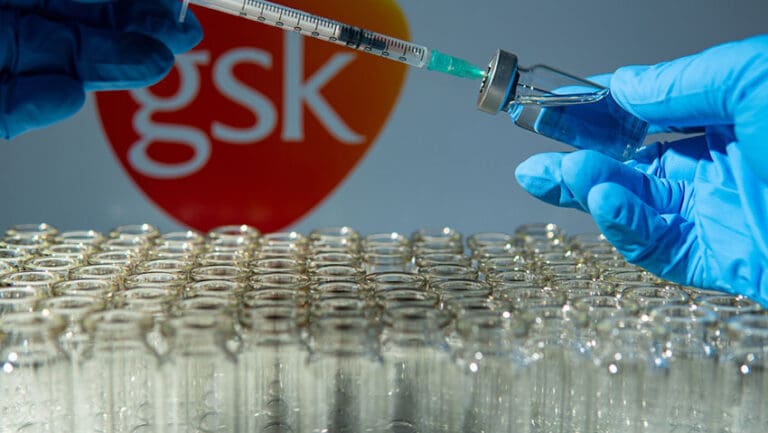
GSK will invest £400 million over three years to establish a global research and development headquarters in Cambridge, moving its R&D operations out of Stevenage after 30 years, the FTSE 100 pharmaceuticals company said on Tuesday.
The company said it would take a 300,000 sq ft site on the Cambridge Biomedical Campus, currently in development by the property group Prologis, and employ more than 1,000 scientists there. Staff will move from Stevenage in what GSK called a “phased move” by 2029.
GSK employs 1,800 people at Stevenage, Hertfordshire, where it created its R&D centre 30 years ago. Others will be offered roles at its site at Ware, Hertfordshire, where it plans to upgrade existing R&D laboratories and create a “fully integrated” drug development and commercial manufacturing capability. GSK will retain its global corporate headquarters in London’s Knowledge Quarter.
The move places GSK on the same campus as AstraZeneca, Britain’s other big pharmaceuticals company, which relocated its R&D operations there from Cheshire in a £1.1 billion investment. The campus has more than 22,000 people and about 470 biotech and AI companies, including existing GSK partners such as Addenbrooke’s Hospital.
Luke Miels, GSK’s chief executive since January, said: “This investment will accelerate our R&D and help us deliver new, competitive products. It integrates GSK further into one of the world’s leading centres of knowledge and demonstrates the attractiveness of the UK’s life sciences ecosystem.”
Andy Burnham, the prime minister and a former health secretary, welcomed the investment as “a boost for home-grown innovation and expertise”. The announcement follows the last government’s plans to develop the Oxford-Cambridge corridor into “Europe’s Silicon Valley”.
Life sciences is one of eight key sectors under the government’s industrial strategy, and ministers have been seeking to improve the commercial environment and encourage inward investment through plans to increase NHS spending on new medicines. Industry data has pointed the other way in recent years, with foreign direct investment in UK life sciences falling to £795 million in 2023, 58 per cent below 2017 levels, according to the Association of the British Pharmaceutical Industry.
Kevin Bonavia, the Labour MP for Stevenage, said he was “deeply frustrated by the lack of meaningful engagement from GSK before these plans were announced” and was concerned for the research and business communities potentially affected.
The Cambridge investment is being funded through a three-year restructuring programme targeting £1.9 billion in annual savings by 2029, at a one-off cost of £2.4 billion. GSK said the savings were expected to lead to overall net job losses, partly enabled by AI, and were likely to fall in areas such as support services, procurement and operations for legacy drugs that have come off patent. The company declined to state how many jobs could go.
Following a portfolio review led by Miels, GSK said it would start more than 20 late-stage phase III trials by the end of this year, double its previous target, and accelerate seven drug assets across 18 therapy indications. The new Cambridge laboratories will support research in oncology, respiratory, hepatology, vaccines and HIV.
The strategy update was delivered at the London Stock Exchange alongside half-year results, at which GSK reiterated its target of £40 billion of sales by 2031. Total revenue rose 5 per cent to £8.4 billion in the second quarter, ahead of City forecasts, but total operating profit fell 75 per cent to £481 million, largely because of higher impairments on camlipixant. GSK halted development of the drug for refractory chronic cough this month after phase III trial results.
Shares closed up 69p, or 3.5 per cent, at £20.29, valuing the company at £87.6 billion. Analysts at Citigroup, a joint house broker, told clients: “Overall the ambition is heading in the right direction but we think the market will wait for delivery.”


More Stories
The next scientific frontier may be inside us, says Nicole Junkermann
As artificial intelligence converges with life sciences at an accelerating pace, the founder of NJF Holdings argues that the most...
Government Plans for the Shipping Industry in 2026
The UK’s position as a leading maritime nation and a key player in achieving its Net Zero obligations will be...
Tony Buzbee on the Clients Who Walk Through the Door and What They Actually Need
Tony Buzbee founded The Buzbee Law Firm in Houston in 2000. The firm takes on personal injury claims, workplace accidents,...
How to Launch a Personal Training Business Fast
Smart entrepreneurs move from initial concept to signing paying clients by following a clear, step-by-step setup framework. Secure Recognised Fitness...
What Can an iPhone Data Recovery Tool Recover? From Photos and Messages to Pages, Numbers, and Keynote
You delete a few old photos, clear some messages, or lose an important work file—and then realize you needed it...
Gallagher brothers confirm 38 Oasis dates for 2027 after $400m reunion run
Oasis have confirmed 38 dates for a global tour in 2027, including a return to Knebworth in Hertfordshire. The announcement...