
2026 Land Rover Range Rover SE P400 LWB 7-Seat Review & Test Drive

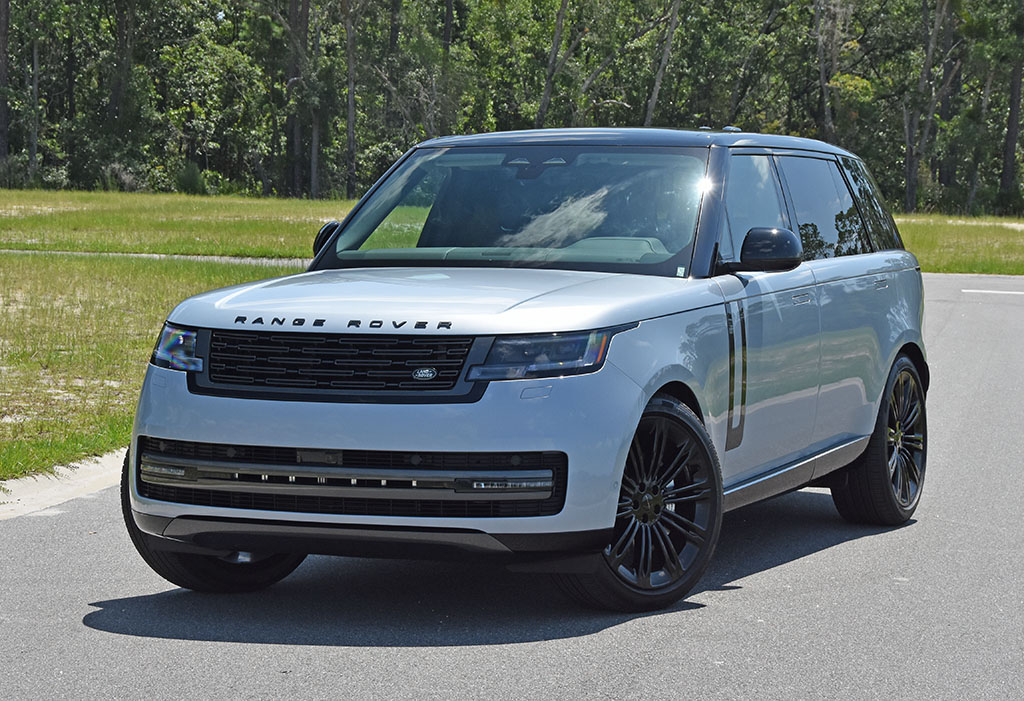
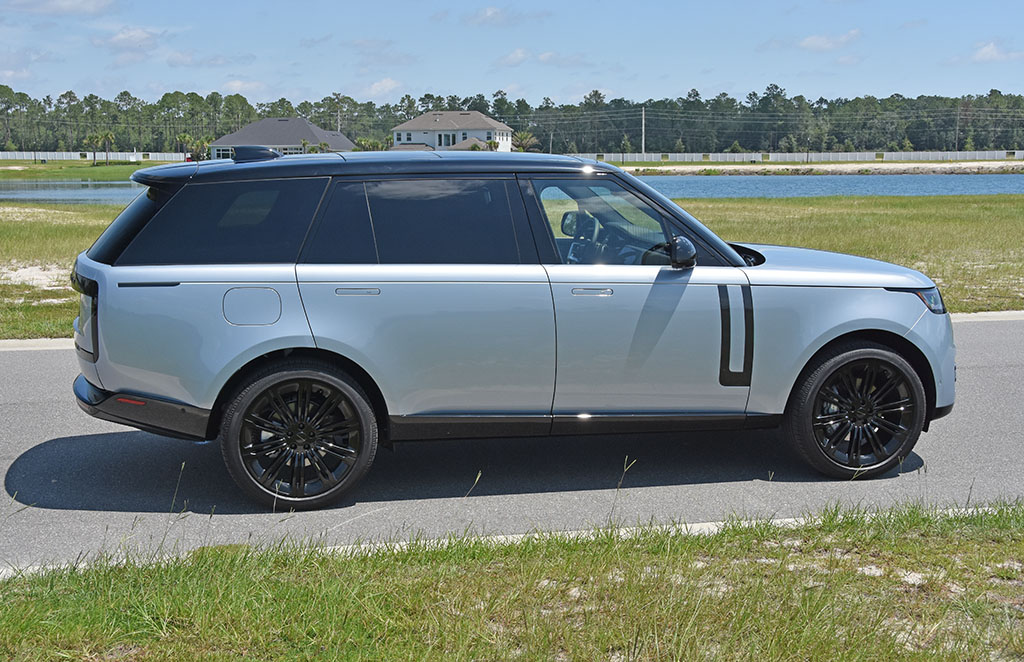
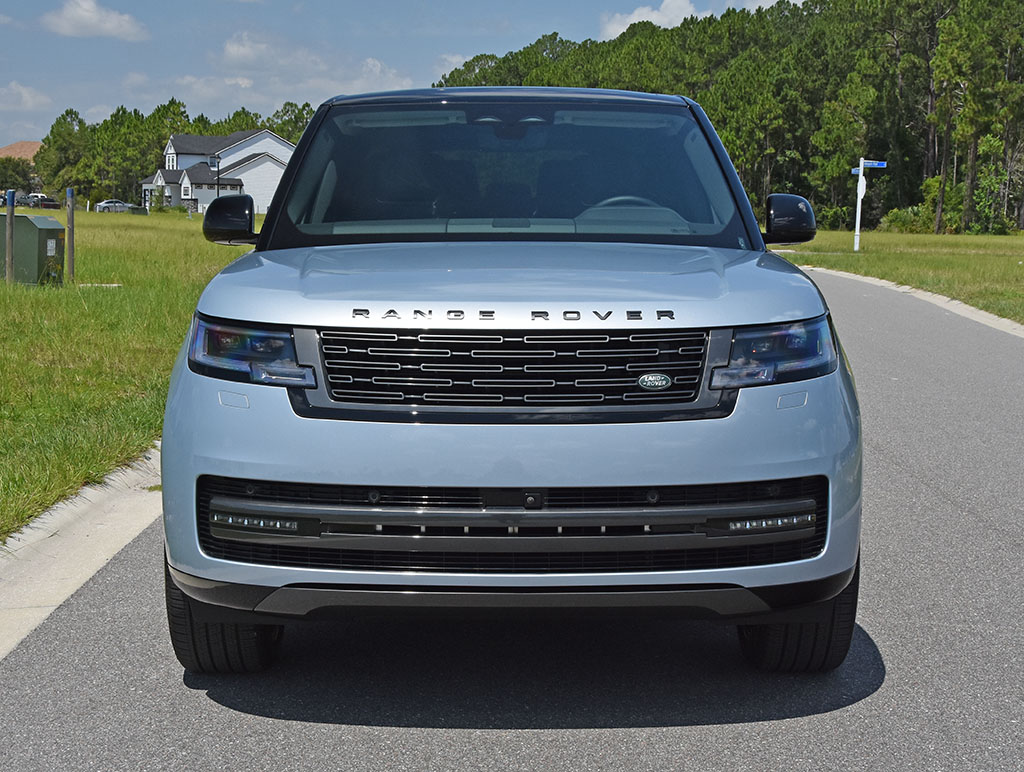
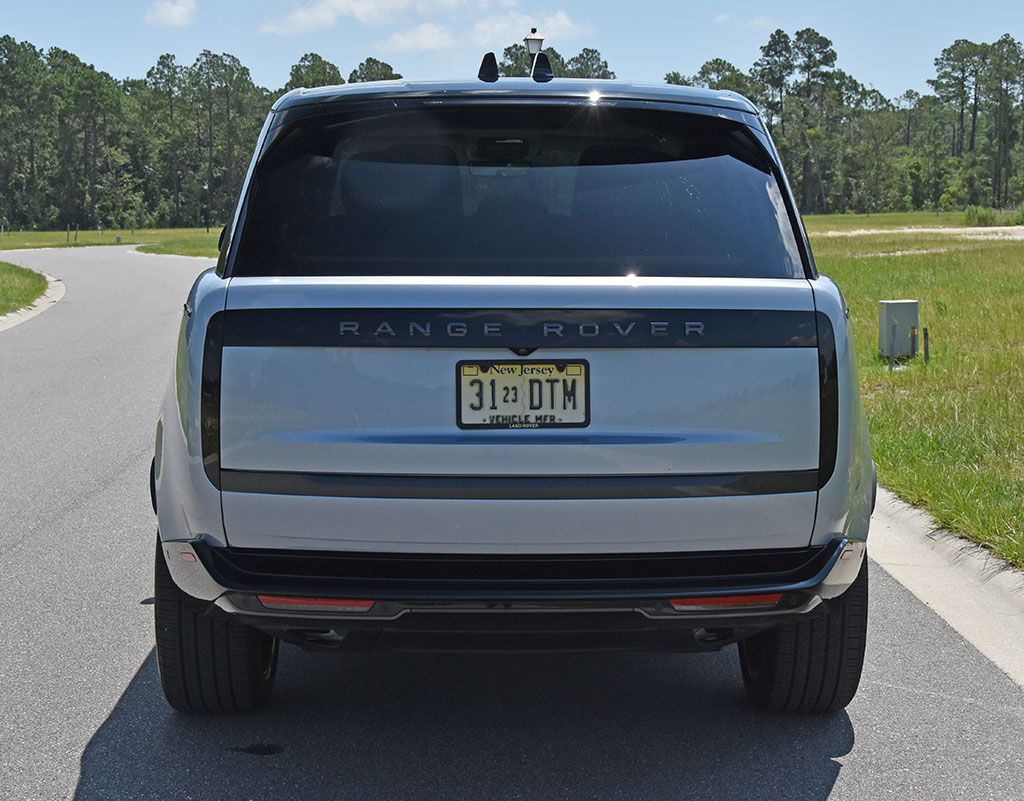
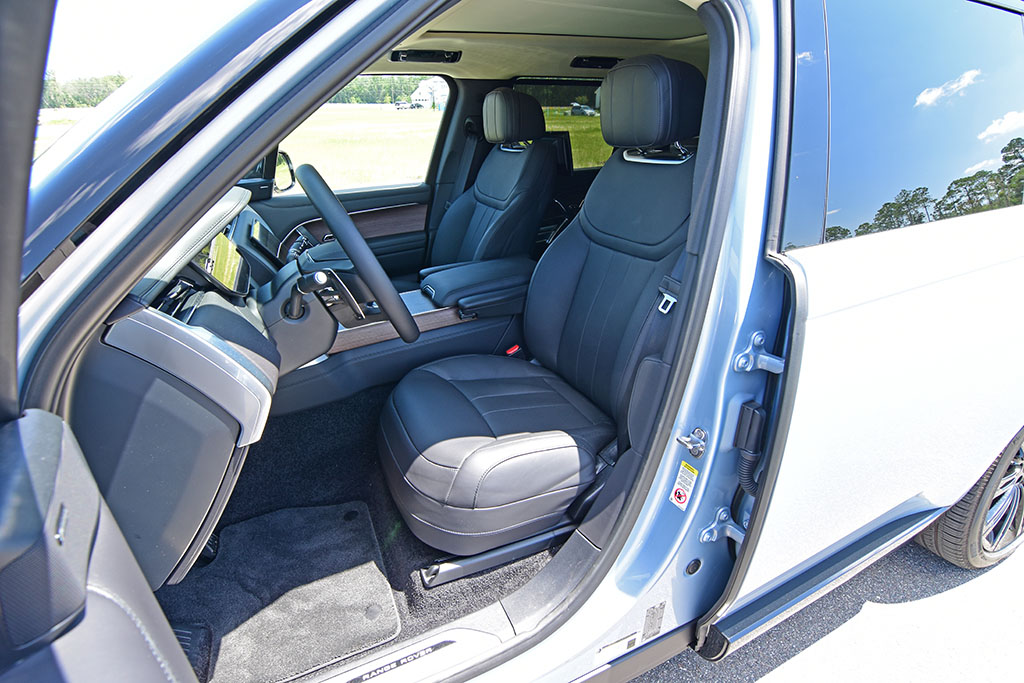
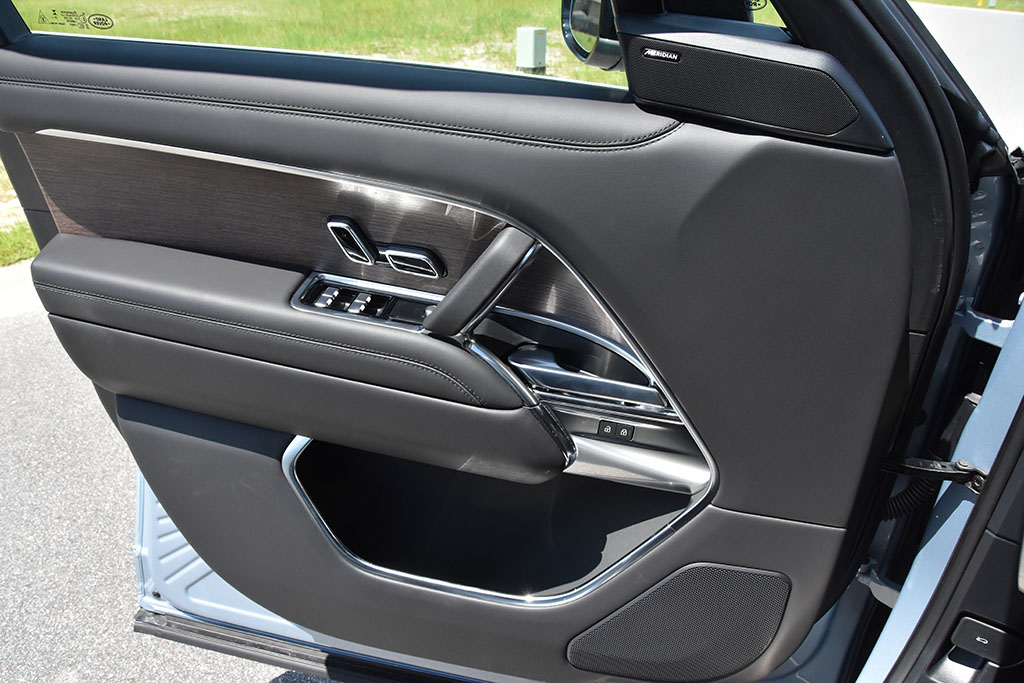
The Range Rover occupies a very unique space in the automotive world, one that very few vehicles have ever managed to challenge. It isn’t just a luxury SUV, it’s an adventure in the lap of luxury, and this generation continues to hold its place at the top of the ultra-luxury segment with the kind of effortless authority that only comes from its specialized British character. Open the door on this particular test vehicle, finished in a gorgeous Ionian Silver Gloss over an Ebony interior, and you’re greeted by that unmistakable scent of a cabin wrapped almost entirely in leather, yet another reminder that this isn’t an ordinary luxury SUV like your Cadillac Escalade. Land Rover isn’t reinventing anything here, and that continues to be a good thing.
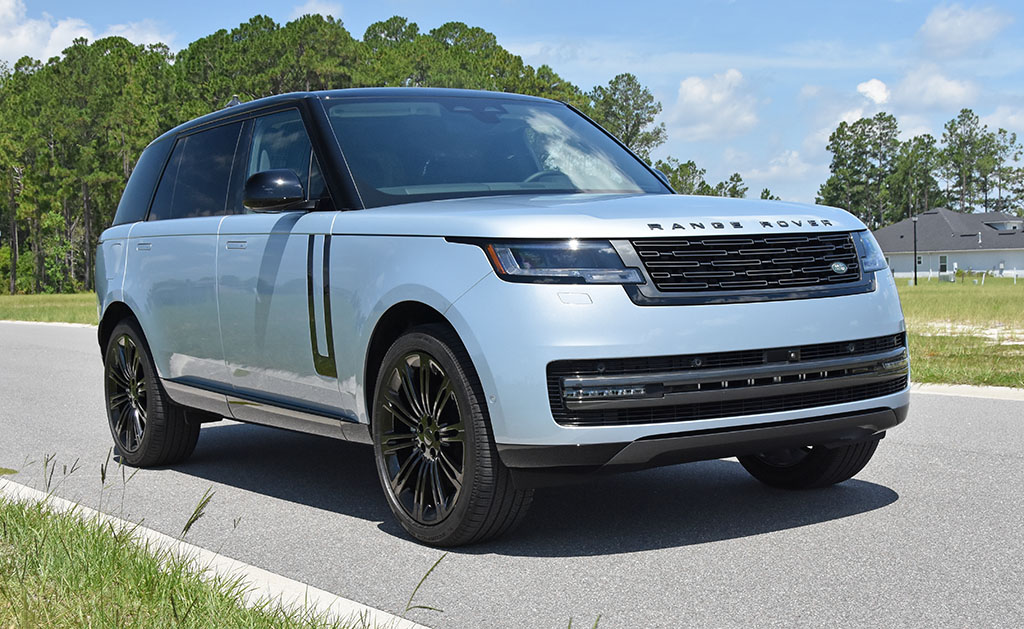
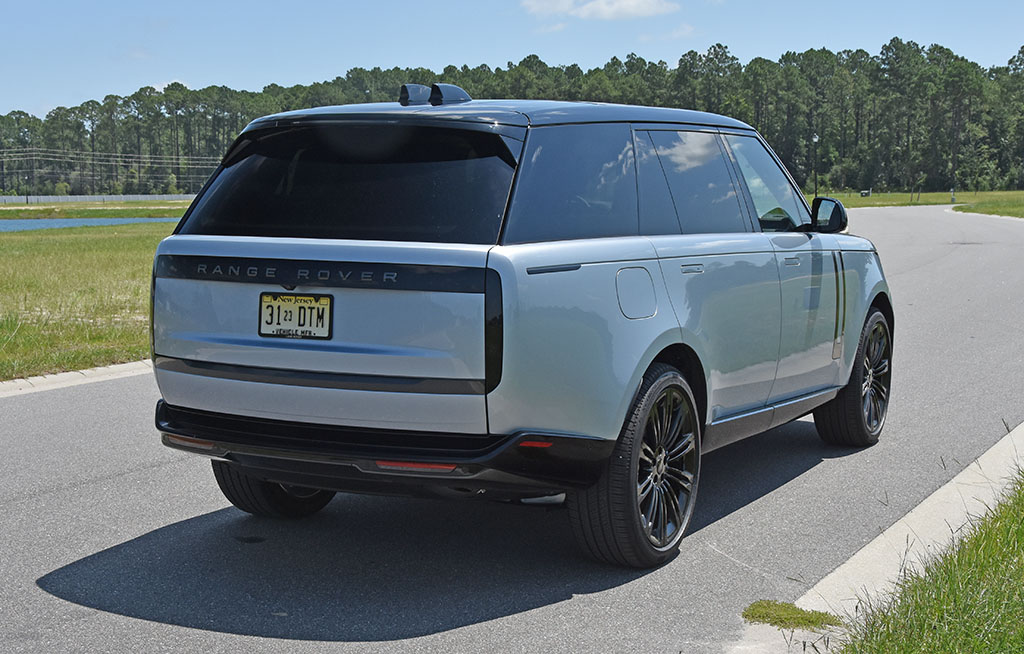
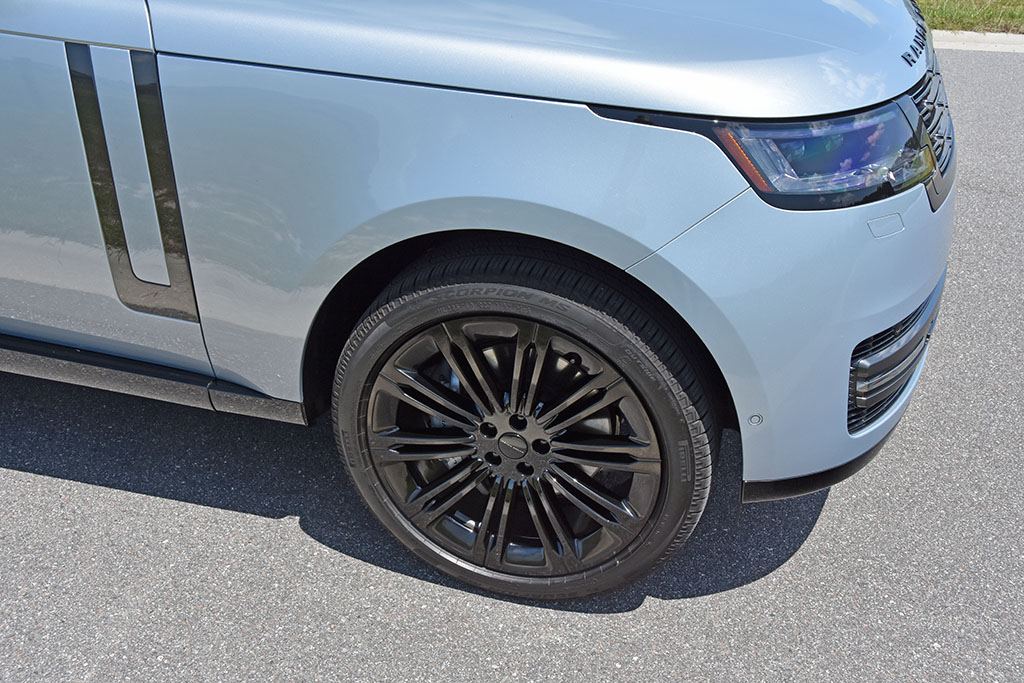
The platform underneath still traces back to the 2022 redesign, and it holds up well. Clean lines, a floating roofline, and those distinctive vertical taillights give the Range Rover an elegance that doesn’t need to chase anyone else’s design language. The black 23-inch wheels on this test vehicle add a noticeably bolder presence against that silver paint, and this is a vehicle that will look just as at home outside a five-star hotel a decade from now as it does today.
Power comes from the SE trim’s P400 setup, a 3.0-liter inline-6 that is both turbocharged and supercharged, all aided by a mild hybrid system. On paper, 395 horsepower and 406 lb-ft of torque through an 8-speed automatic sounds like plenty to move a roughly 5,600-pound SUV, but the real-world sensation is of a powertrain that delivers even more than its spec sheet lets on. The supercharger handles the low end with hardly any lag, the turbocharger sustains things as revs build, and the mild hybrid system fills in the gaps at low speed. The P400 never feels caught off guard, and it doesn’t spend its time apologizing for the supercharged V8 that you find farther up the Range Rover lineup.
Ride composure remains a strength here, and the long wheelbase (LWB) platform, combined with the air suspension, handled these 23-inch wheels without passing any of that extra weight into the cabin. The ride is almost surreal in how it isolates you from road imperfections, and the extended wheelbase helps settle the vehicle’s motion at speed. Those black 23-inch rollers fill the arches nicely, too, giving this Range Rover a stately presence on the road.
Getting the large British SUV through city traffic sounds more intimidating than it turns out to be, and that’s in part thanks to all-wheel steering. At lower speeds, the rear wheels turn opposite the fronts, tightening the turning circle enough to make the Range Rover feel several feet shorter than it is. It’s assertive enough to catch you off guard the first time you feel it, but tight parking situations quickly become a matter of routine rather than worry. At speed, the system reverses logic and steers the rear wheels with the fronts for a planted feel during lane changes.
Outside of normal driving on pavement, the Terrain Response 2 system opens up a plethora of off-road drive modes, and the air suspension lifts high enough for a 35-inch water wading depth, a capability most owners will never test, but one that underscores how seriously Land Rover takes its off-roading abilities. The one holdback, as always, is the tires, but who’s really taking these things on serious off-roading trails?
On the efficiency side, EPA estimates come in at 18 mpg city, 24 mpg highway, and 20 mpg combined, and the 23.8-gallon tank is good for around 571 highway miles, making it a capable tourer with fewer fuel stops than you’d expect. Those fuel consumption numbers are on par with what I experienced in the real world.
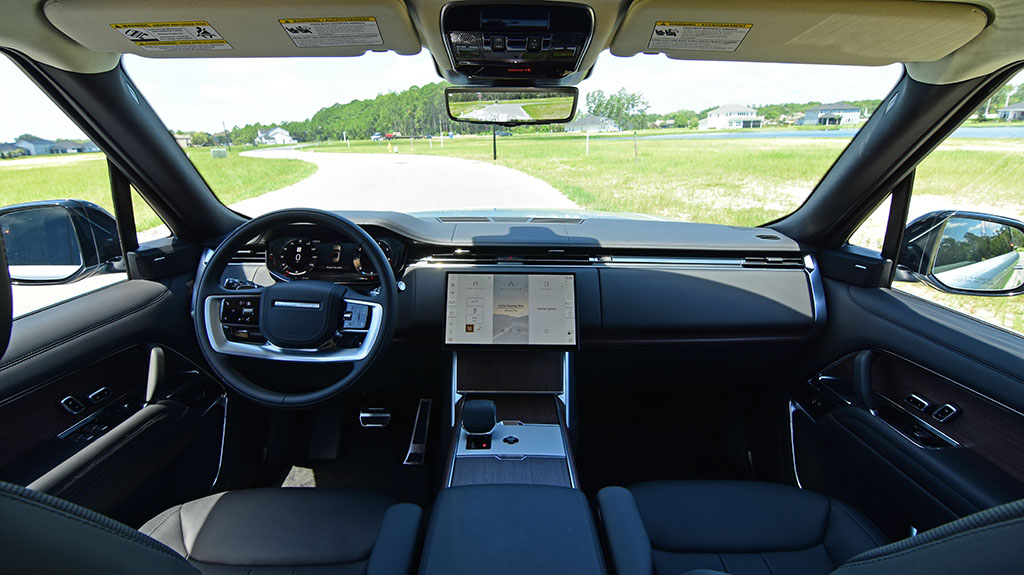
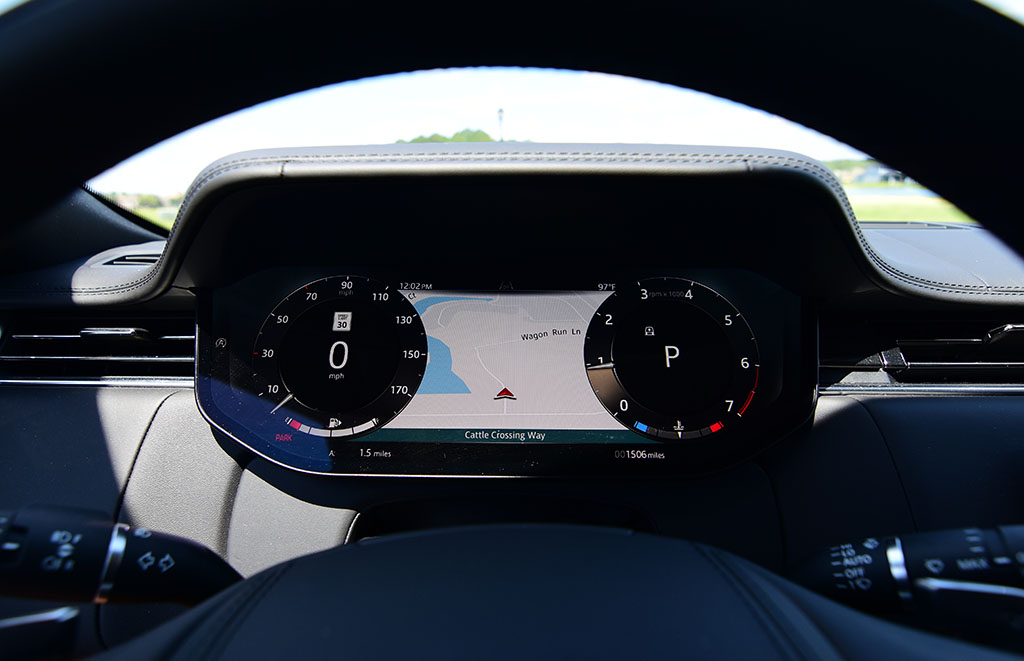
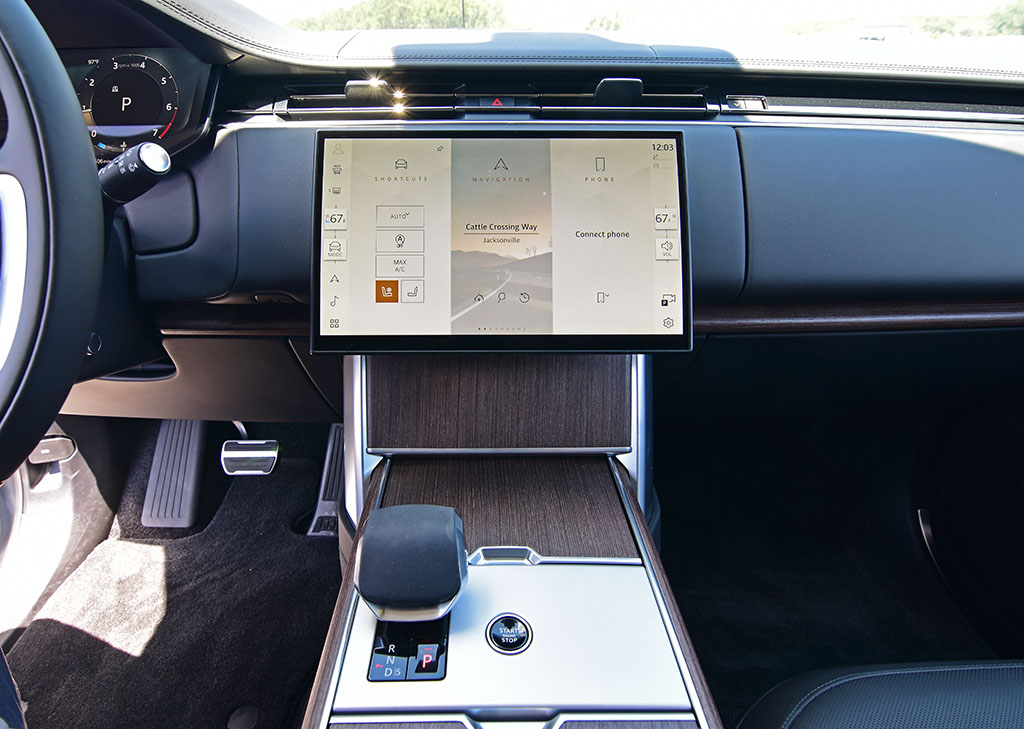
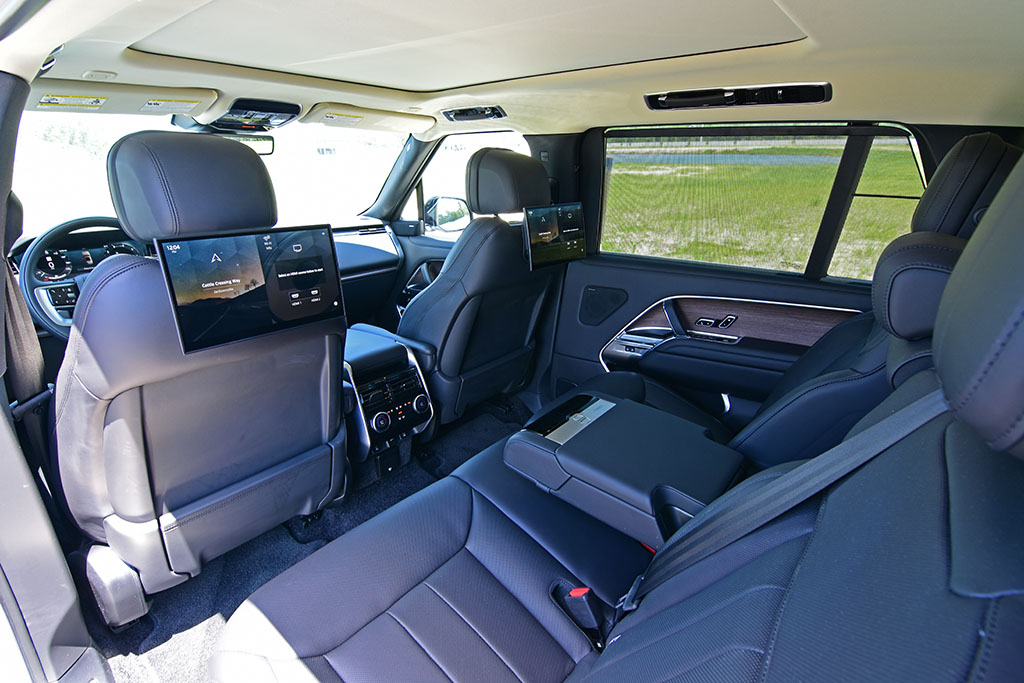
Inside, the cabin operates on the same method of being a quiet restraint with minimalism. The 13.1-inch Pivi Pro touchscreen carries its subtle vertical curve into the dash rather than looking bolted on, and the 12.3-inch digital gauge cluster angles toward the driver, allowing some customization for a live navigation map or other vehicle information. My test vehicle also came equipped with the optional 11.4-inch rear-seat entertainment touchscreens mounted to the backs of the front headrests, a genuinely welcome addition for second-row passengers on longer trips. Wireless Apple CarPlay and Android Auto work as expected, and the haptic controls give tactile confirmation once you learn where things live in the menus, or you can simply disable the tactile feedback through the touchscreen.
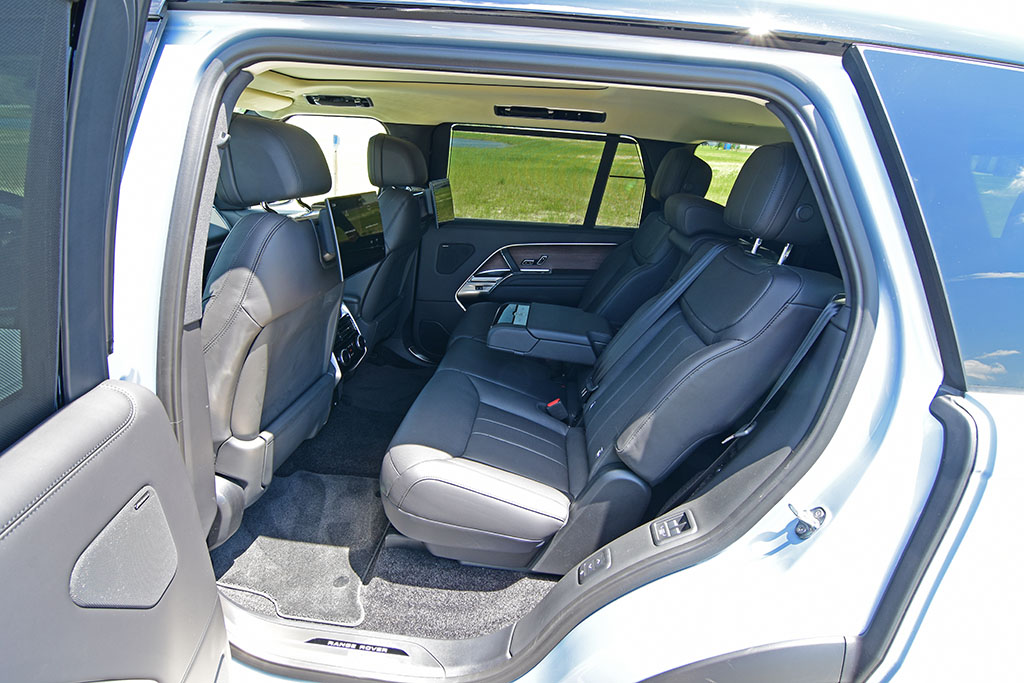
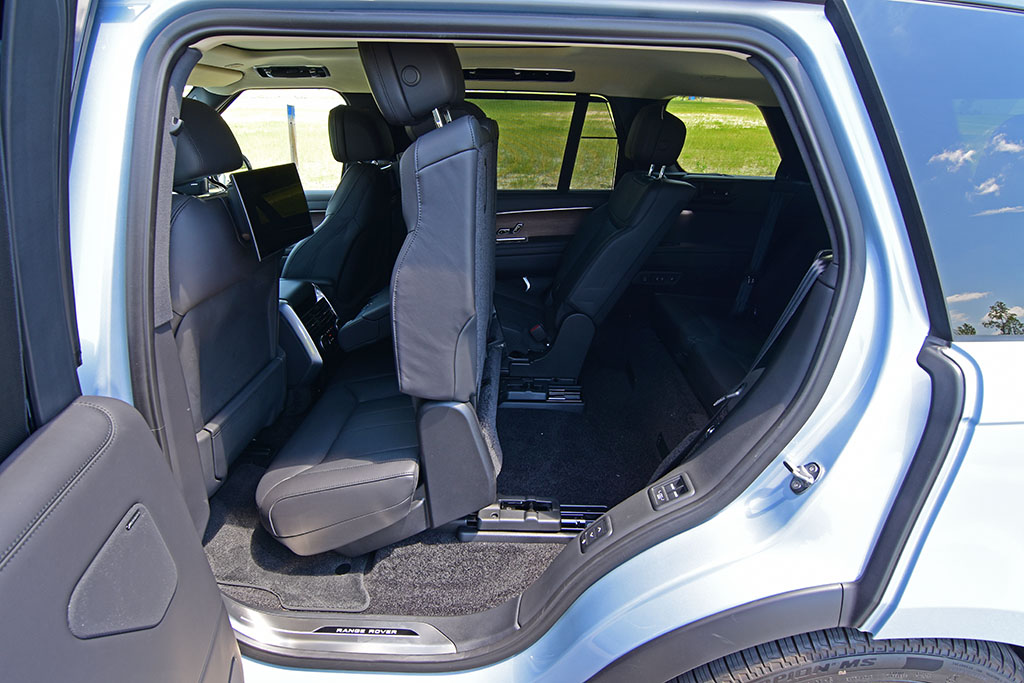
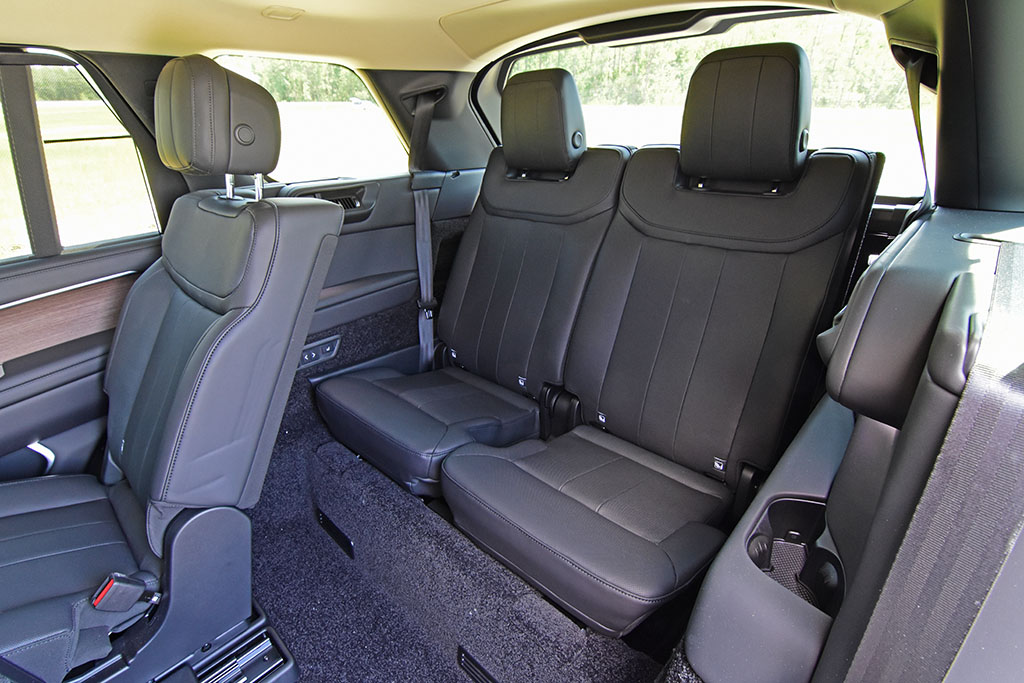
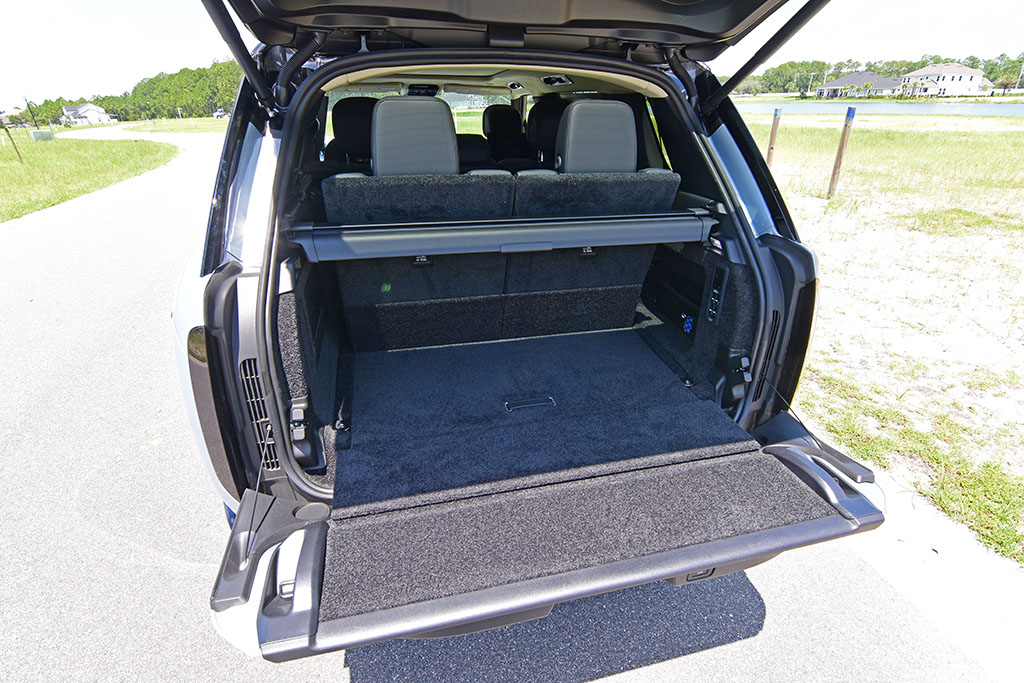
Second-row space in the LWB configuration nudges the experience closer to a limousine than an SUV, and the power-folding second row clears a path to the third without much fuss. That third row remains the one area where the Range Rover’s sizing works against it, better suited to kids than adults on longer trips. The cabin’s isolation from outside noise is exceptional throughout, and paired with that Ebony leather wrapped around nearly every surface, it lends the whole experience a cocooned, genuinely special luxury quality.
The safety package is vast, as you’d expect, and the 360-degree camera system with its below-vehicle view remains one of the more useful implementations in this segment, both on trails and in tight parking garages.
The 2026 Range Rover SE LWB 7-Seat starts at $113,300 before fees and options, and with the black 23-inch wheels, the rear-seat entertainment screens, and this Ionian Silver over Ebony combination, this test vehicle lands as tested in the mid-$130,000s. Spending that kind of money on an SUV demands a vehicle that justifies the cost every time you drive it, and Range Rover makes its case better than it has ever before. There are more affordable luxury SUVs on the market, but there remains only one Range Rover.

More Stories
Toyota Recalls Nearly 106,000 Land Cruiser SUVs Over Fuel Leak and Potential Fire Risk
Toyota’s legendary Land Cruiser has built its reputation on durability and reliability, but even one of the toughest SUVs on...
Legendary Mercedes-Benz AMG Hammer Could Make a Comeback as HWA Teases Stunning W124 Revival
Some cars earn legendary status through impressive sales figures, while others become icons simply because they were outrageously fast for...
10 Practical Gifts for Truck Owners Who Work Outdoors
Who actually needs another novelty keychain? For someone whose truck doubles as an office, a toolshed, and a lunchroom, the...
Uzbekistan September 2026: Chevrolet falls to 70.2% share, BYD up to 13.4%
The Chazor Champion is BYD’s best-seller in Uzbekistan. The Uzbek new car market is down -5% year-on-year in September to...
2027 GMC Yukon Invoice Price, Dealer Cost, and What You Should Pay Near You
The 2027 GMC Yukon sits at the upper end of the full-size SUV market, with a lineup that runs from...
2027 Honda Civic Invoice Price, Dealer Cost, and What You Should Pay Near You
The Honda Civic has been America’s best-selling compact car for decades, and the 2027 lineup adds meaningful new content with...