
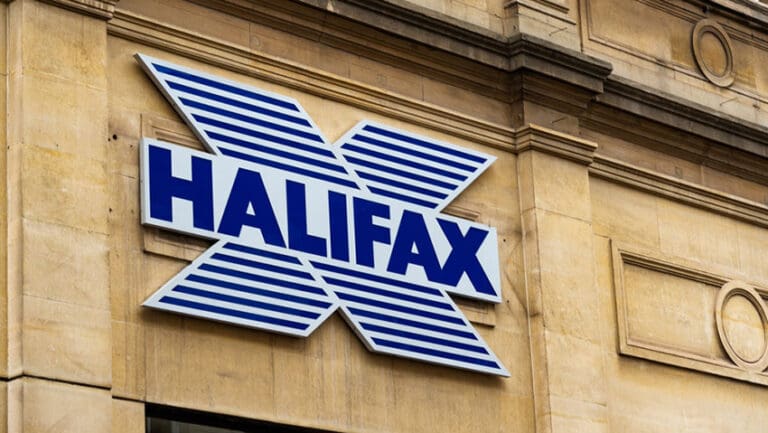
What the end of the Halifax name means for its customers

Few names have loomed larger over the British high street than Halifax, and after 173 years it is being retired. Lloyds Banking Group, which has owned the lender since 2009, has confirmed it will phase out Halifax as a standalone brand and move all customer accounts to Lloyds over time.
For account holders, the headline is reassuring: there is nothing you need to do. Lloyds says customers will be contacted directly about the changes through trusted channels, including the Halifax app, online banking, email and by letter. Crucially, sort codes and account numbers will stay the same, and there is no change to the deposit protection savers rely on.
The move had been trailed for weeks. Reports in May flagged that the group was weighing up whether to drop Halifax altogether, and the decision has now been formalised. The logic, as Lloyds tells it, is simplification. Running four overlapping consumer brands – Lloyds, Halifax, Bank of Scotland and MBNA – has looked increasingly hard to justify as the distinction between them has faded, and as customers migrate en masse to a single app.
That last point is the real engine behind the shake-up. More than 21 million Lloyds Banking Group customers now use its mobile app as their main way of banking, a shift that has already prompted the group to close a further 95 branches across its brands. When most people rarely set foot in a branch, the commercial case for maintaining separate names on separate shopfronts weakens considerably.
Halifax has been part of the national furniture since it was founded in West Yorkshire in 1853. It granted its first mortgage that year and grew into one of the UK’s largest building societies before demutualising and, eventually, being folded into Lloyds during the financial crisis. At its peak in the early 2000s, a customer services adviser named Howard Brown became its most recognisable face, singing his way through a run of television adverts that lodged the brand firmly in the public memory.
Jas Singh, Lloyds Banking Group’s chief executive of consumer relationships, sought to soften the sentimental blow. “As Halifax changes to Lloyds, our Halifax customers will keep everything they know and love today – the same fantastic app design, the same friendly faces in our branches – even the same sort code and account number,” he said. “But as Lloyds customers, they’ll get the best innovation and experiences we offer.”
There is a regional dimension too. Lloyds insists it remains committed to the town of Halifax and the wider Yorkshire and Humber region, where roughly 3,000 staff are based at its Trinity Road office. No job cuts have been announced as part of the transition, and Halifax branches will either be rebranded as Lloyds or their customers moved to a nearby Lloyds site during 2027.
For savers, the most important detail sits in the small print. As the group confirmed in May, and reiterated in its official announcement, account numbers will not change and there is no change to protection under the Financial Services Compensation Scheme, which safeguards eligible deposits up to £85,000 per person, per banking licence. Customers who hold money with both Halifax and Lloyds should, as ever, check how that licence structure affects their own cover.
The disappearance of Halifax is part of a broader rewiring of British retail banking, one that has already seen challengers such as Revolut secure a full UK banking licence and traditional lenders thin out their branch estates. For customers, little changes tomorrow. But the slow fade of a 173-year-old name is a reminder of how quickly the familiar architecture of the high street is being redrawn.


More Stories
Burnham hands EV targets decision to Haigh over wife’s industry links
Andy Burnham has stepped aside from a decision on Britain’s electric car sales targets because of a potential conflict of...
Roobet Philippines Open Pool Championship Kicks Off in Quezon City
The venue is part of what makes this such a special event. Hosted in the atrium of the massive Gateway...
Europe’s Late Effort To Save Its Industry
Openness caused a demand for global supply chains and a shift of production to lower-cost countries as well. Europe wasn’t...
6 Best Sites to Buy LinkedIn Followers, Likes and Connections in UK
Even with valuable content, getting noticed can be difficult when your follower count is low and your posts receive little...
6 Best Sites to Buy YouTube Views, Subscribers and Likes in UK
That is why some creators and businesses choose to buy YouTube views, subscribers and likes. These services increase visible engagement,...
How much development capacity is sitting in your deposit?
New research from property finance platform Brickflow, published in full in its report “The UK’s Most Expensive Mistake”, suggests the...