
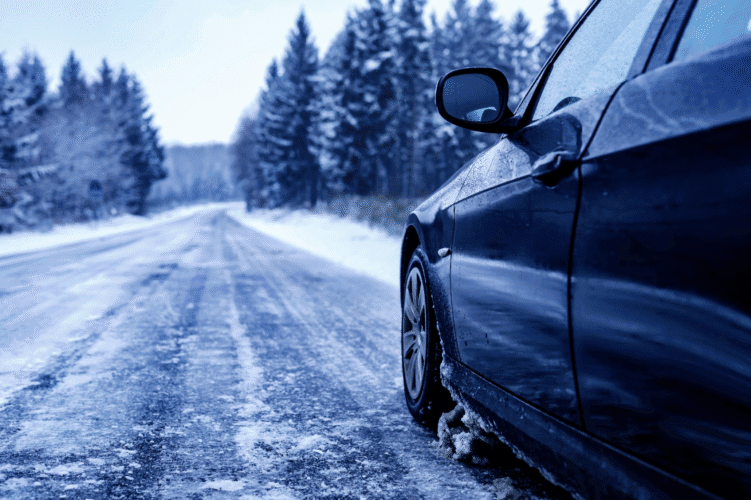
Winter Driving and Liability: What Lafayette Motorists Need to Know

Winter conditions in Tippecanoe County introduce specific hazards that alter the standard flow of traffic and increase the probability of multi-vehicle collisions, as snowy or icy pavement contributes to thousands of accidents across the state each year. As a motorist in Lafayette, you must adjust your driving habits to account for reduced traction and limited visibility.
The legal implications of a winter-weather crash often hinge on whether a driver exercised reasonable care under the circumstances. If you find yourself involved in a dispute regarding fault after a slide-off, you might choose to speak with a Lafayette car accident lawyer to review the specific details of the police report.
Indiana Liability Rules for Weather-Related Crashes
Many drivers mistakenly believe that “black ice” serves as a valid legal defense to avoid liability after a collision. In reality, Indiana courts generally hold that motorists should anticipate winter hazards. Indiana Code 9-21-5-1 states that no person shall drive a vehicle at a speed greater than is reasonable and prudent under the conditions and having regard for the actual and potential hazards then existing.
The presence of snow on the road does not shift the blame to the municipality or the state for failing to plow or salt the area. Liability remains with the operator who fails to adapt to the environment and subsequently strikes another vehicle or property. You are responsible for the physical outcomes of your vehicle’s movement even when the road surface is slippery. Here are some things to consider when taking your car out for a drive in an Indiana winter:
• Increase your following distance to allow for the extended braking time required on slick surfaces.
• Failure to clear snow from windows or headlights reduces your ability to see hazards and makes your vehicle less visible to others.
• Sudden steering movements increase the risk of losing traction and entering a skid.
Under the Indiana Tort Claims Act (ITCA), government entities (such as the City of Lafayette or INDOT) enjoy broad immunity for “temporary conditions” caused by weather. Suing a municipality for a snowy road is an uphill battle that rarely succeeds.
Mechanical Preparation and Equipment Responsibilities
Vehicle maintenance is a component of your legal responsibility to ensure safe operation on public ways. The National Highway Traffic Safety Administration emphasizes that tire tread depth and brake functionality are vital for winter safety. If a mechanical failure, such as a tire blowout or brake malfunction, causes an accident, the vehicle’s owner typically bears responsibility for the resulting damages.
Comparative Fault in Multi-Vehicle Pileups
Winter storms frequently result in chain-reaction collisions, in which multiple parties sustain injuries or property damage. Indiana uses a modified comparative fault system, which means a court assigns a percentage of fault to each driver based on their actions before the impact.
Your ability to recover compensation depends on your fault being assigned at fifty percent or less. If it is determined that you were traveling too fast for the conditions, you will see your compensation reduced by your assigned percentage of negligence. Accurate documentation of the scene and witness statements helps establish the exact sequence of events in these complex scenarios.
Evidence Collection Following a Winter Slide-Off
Some say that the first 72 hours after a car accident are critical for your chances of compensation. However, the fleeting nature of winter weather makes this window even narrower.Evidence at the scene of a crash can change within minutes as more snow falls or plows arrive. You should document the road conditions exactly as they appeared at the moment of the collision. Images of the ice patches, the accumulation of slush, and the tire tracks leading to the point of impact serve as objective proof for insurance adjusters.
Secure the names and phone numbers of any passersby who witnessed the event before they leave the area. Their observations regarding visibility and other drivers’ behavior provide an external perspective that balances the claims made by insurance companies. Provide this information to the responding officer so it appears in the official state record.
Then, contact a local law firm to start working on your case.
Establishing Roadway Security
Developing a proactive mindset regarding winter travel protects your legal interests and your physical well-being. When you acknowledge that the environment requires a total shift in driving behavior, you minimize the likelihood of a preventable collision. Staying focused on the technical requirements of cold-weather operation ensures that you arrive at your destination without the burden of a liability claim.
The post Winter Driving and Liability: What Lafayette Motorists Need to Know appeared first on My Car Heaven.

More Stories
Volkswagen Slashes 2026 Profit Outlook as Porsche and China Problems Deepen
Volkswagen’s financial headaches have taken another serious turn, with the German auto giant warning that roughly €10 billion, or about...
2027 Nissan Rogue Hybrid Brings EV-Like Driving and 38 MPG for $37,065
Nissan is finally bringing one of its more interesting electrified powertrains to the United States, and it is arriving in...
FTL Procurement Strategy: RFP Structuring for Multi-Year Lane Contracts
Freight procurement is often treated as an annual exercise rather than an ongoing process. Yet transportation costs, carrier capacity, fuel...
Best Mirror Dash Cam 2026: Why It’s Time to Upgrade Your Rearview Mirror
If you’ve been driving with the same factory rearview mirror for years, you’re missing out on one of the easiest...
Best 4K Dash Cam 2026: Features, Resolution, and What to Look For
Dash cam footage can only tell you so much, and what it shows depends on what’s visible in the recorded...
Truck Bed Mat Buying Guide: What Actually Protects Your Truck Bed
A truck’s bed takes abuse that few other parts of a vehicle can withstand. Jobsite tools sliding in the bed,...