
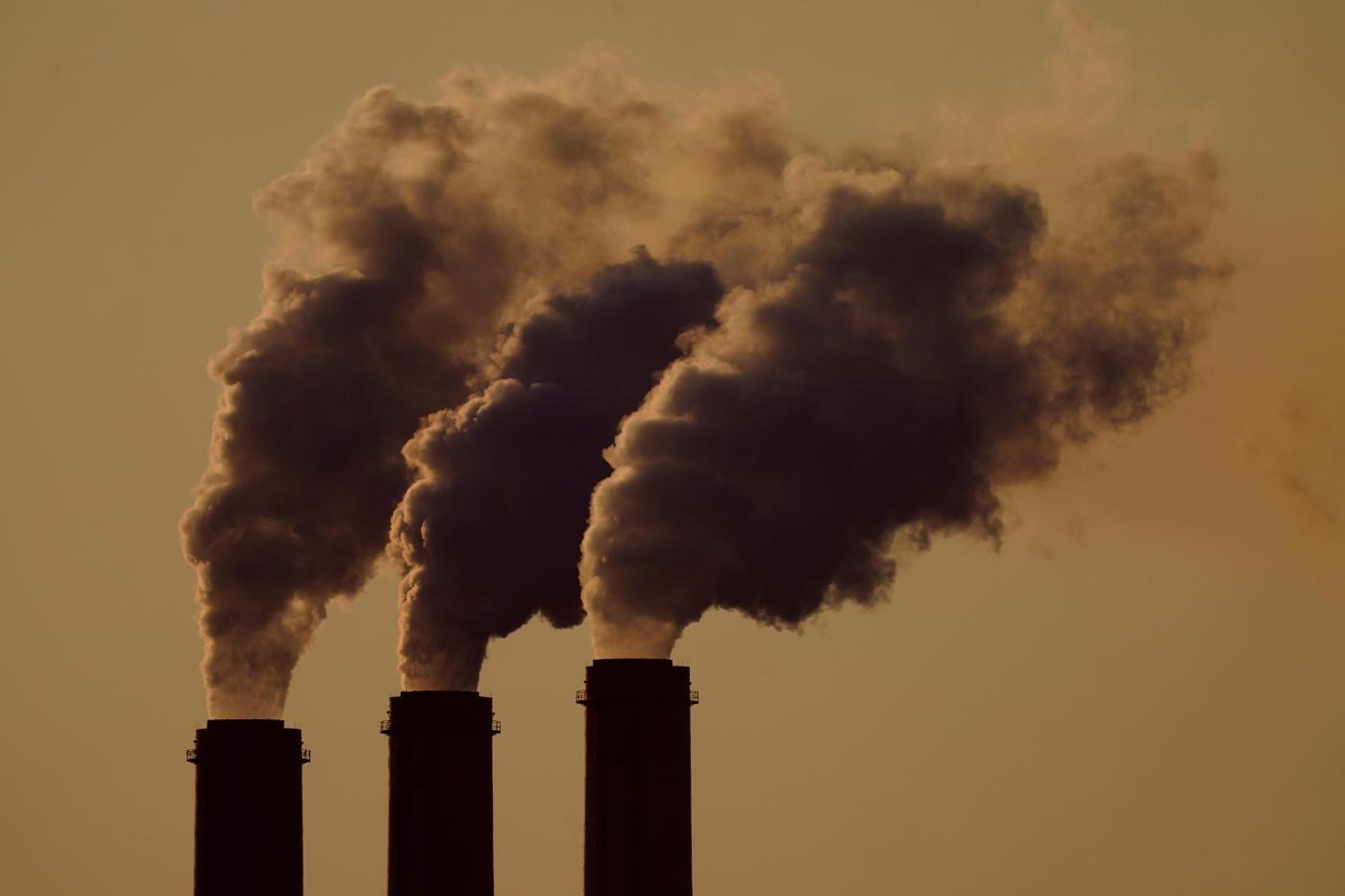
EPA plan would begin rolling back ‘good neighbor’ rule on downwind pollution from smokestacks

By MATTHEW DALY
WASHINGTON (AP) — The Trump administration on Wednesday took a step toward rolling back a rule that limits smokestack emissions that burden downwind areas in neighboring states.
Related Articles
Federal troop deployments to US cities cost taxpayers $496M and counting
Officers confront protesters at Texas facility as lawmaker visits father, son detained in Minnesota
Bessent warns Carney against picking a fight before US-Canada-Mexico trade talks
In some states, a push to end all property taxes for homeowners
Maura Healey doubles down on criticism of ICE, says Massachusetts is not a sanctuary state
The so-called “good neighbor” rule is one of dozens of regulations that Environmental Protection Agency Administrator Lee Zeldin has targeted for reconsideration or repeal. The Supreme Court ruled in 2024 that the EPA could not enforce the rule, which is intended to block coal-fired power plants and other industrial sites from adding significantly to air pollution across state lines.
The EPA said Wednesday it is proposing to approve plans by eight states to regulate ozone air pollution as they see fit. If finalized, the states “would no longer need to worry about another ‘Good Neighbor Plan’” subject to approval by the federal government, the agency said.
The affected states are Alabama, Arizona, Kentucky, Minnesota, Mississippi, Nevada, New Mexico and Tennessee. Under President Joe Biden, the EPA disapproved or proposed disapproval of ozone plans submitted by all those states. The state-specific plans did not sufficiently control ozone emissions that travel across state lines, the Biden-era agency said.
Zeldin said Wednesday that under President Donald Trump, the EPA is committed to advancing what Zeldin called “cooperative federalism” that allows states to decide for themselves how to attain air pollution goals.
“Today, we are taking an important step to undo a Biden administration rule that treated our state partners unfairly,” Zeldin said in a statement. If finalized, the EPA plan will ensure that “these states will be able to advance cleaner air now for their communities, instead of waiting for overly burdensome federal requirements years from now,” he said.
Zeldin criticized what he said was the Biden-era agency’s “heavy-handed, one-size-fits-all, federal mandate” to address air pollution from smog-forming ozone.
Under the proposal announced Wednesday, “EPA finds that the eight (state plans) have adequate data demonstrating these states are not interfering with ozone attainment” required by National Ambient Air Quality Standards, the agency said. The action also indicates EPA’s intent to withdraw proposed error corrections for state plans submitted by Iowa and Kansas.
In the near future, EPA intends to take a separate action to address “interstate transport” obligations for the remaining states covered in the final, Biden-era “Good Neighbor Plan,” the agency said.
Environmental groups said the EPA proposal would reward states for being bad neighbors. Air pollution from heavily industrialized Midwestern states such as Indiana and Ohio frequently reaches East Coast states such as Connecticut and Delaware.
“Once again, Donald Trump and Lee Zeldin are choosing to protect aging, dirty and expensive coal plants and other industrial polluters over strong federal clean air protections that address interstate pollution problems,” said Zachary Fabish, a Sierra Club lawyer.
“Letting states off the hook while their pollution continues harming air quality in neighboring states is dangerous,” Fabish said, and will make “Americans sicker and pay more for energy while doing so.”
EPA will accept public comment for at least 30 days after the rule is published in the Federal Register.
More Stories
Ofcom orders Openreach to withdraw £9.50 full-fibre discount
Ofcom has today directed Openreach to withdraw a wholesale offer that would have given internet service providers a discount of...
Police refuse to reopen RBS hotel loan case without judicial review
Police Scotland has closed its handling of fraud allegations made by an Edinburgh businessman against Royal Bank of Scotland, telling...
Mustafa Suleyman warns AI has reached a “watershed moment”
Mustafa Suleyman, chief executive of Microsoft AI, has said artificial intelligence has reached a “watershed moment”, pointing to agents that...
Insolvency Service puts phoenixing directors at top of new strategy
The Insolvency Service will make abusive phoenixing, where directors repeatedly walk away from company debts and set up similar businesses...
John Lewis adds art galleries and 12 travel hubs to its stores
The John Lewis Partnership is expanding its concessions into fine art and bespoke travel, adding three art galleries and 12...
George Bamford to become JCB joint chairman as profits slip to £642m
George Bamford will become joint chairman of JCB alongside his father, Lord Bamford, on 1 October, the first change at...