
Editorial: Don’t hide bad news on energy costs until after election, Healey

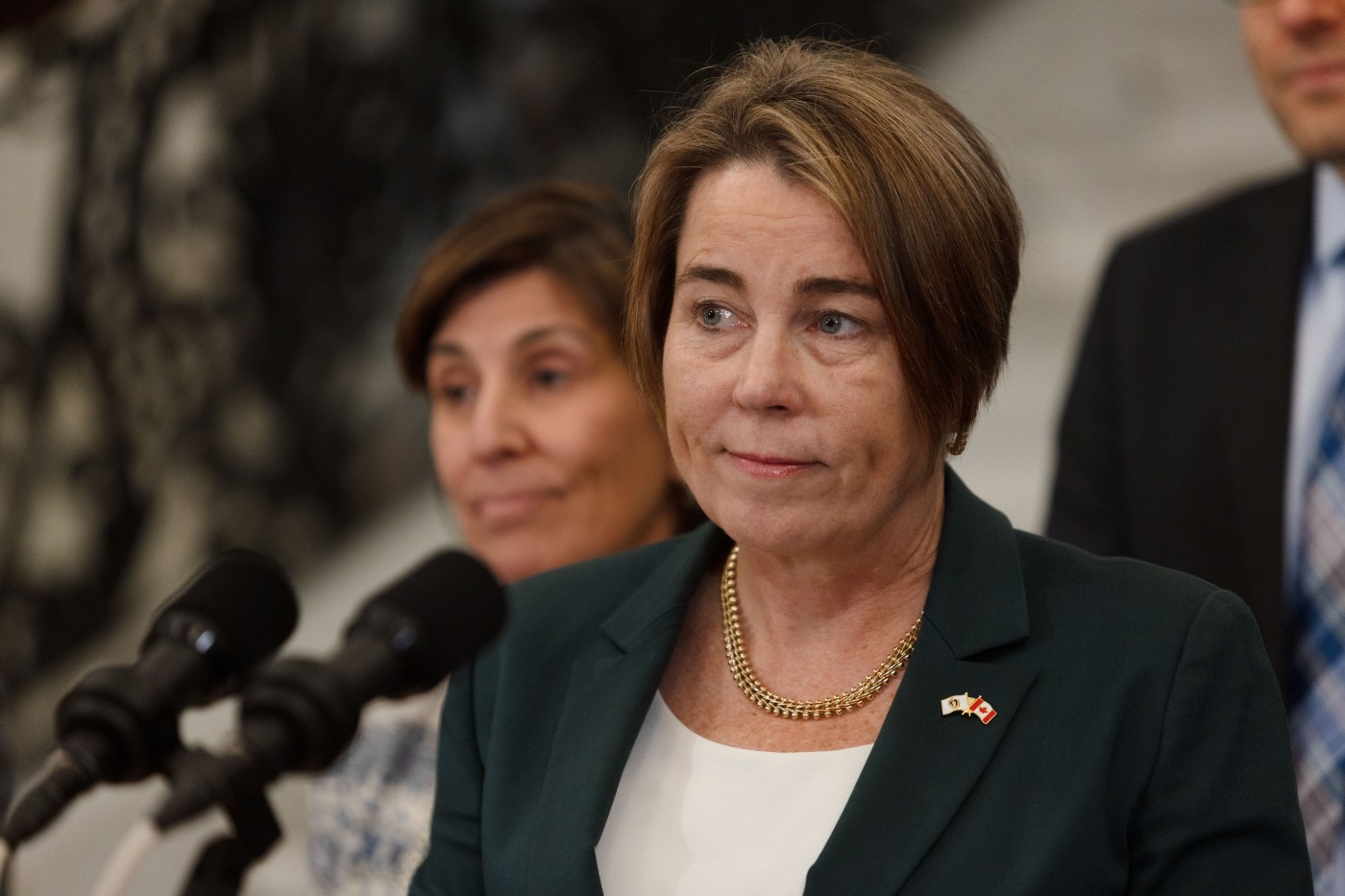
Optics are a fair weather friend in politics. For every PR win, there’s inevitably a howler. Look no further that Gov. Maura Healey’s decision to push back the start date of the new Clean Heat Standard – a regulatory scheme that increases costs for natural gas, propane and oil providers to support state climate goals.
It’s part of the state’s NetZero by 2050 mandate and was originally supposed to take effect at the beginning of 2026. The Massachusetts Department of Environmental Protection’s EP’s delay pushes the start date to Jan. 1, 2028, after the upcoming statewide elections.
How convenient.
While heating industry leaders and Republican candidates for governor have called out her move, the Healey Administration insists it’s all to benefit the people.
“Governor Healey is focused on lowering energy costs. That’s why we went straight to the public to get their thoughts on the implementation of the Clean Heat Standard. We heard a clear desire to take additional time to implement these changes, let the market develop, and keep costs down,” said Healey spokesperson Karissa Hand.
That’s odd, considering Healey didn’t go “straight to the public” for its thoughts on sheltering the influx of migrants a few years back. That’s when communities were “selected” to have spaces turned to shelters and have local schools absorb new students. To say nothing of the nearly $2 billion spent on the emergency family shelter system.
Remember the choice of a Fort Point site for an emergency shelter in 2024. Healey apparently didn’t even get the thoughts of Mayor Michelle Wu, who told reporters that she was not informed that the Fort Point building had been officially selected for migrant overflow shelter, and according to a source, was not on the Healey administration’s call with officials.
Her spokesperson Ricardo Patrón later added, “The city has been clear with the state and its partners that our residents must have an opportunity to learn and provide feedback regarding any proposed shelter sites in Boston, while at the same time minimizing disruption to area neighbors.”
That was then, this is now. More importantly, this is climate politics.
Politicians, especially those who want to remain in office, have to perfect a balancing act of appealing to the fossil-fuels-must-go crowd as well as constituents battling rising energy costs.
We don’t envy her, but we also don’t envy Bay Staters walloped by big energy bills.
Executive Director of the Massachusetts Fiscal Alliance Paul Craney said the timing of the two-year delay and the new date for implementation of the policy is convenient for state lawmakers trying to dodge the political liability of soaring energy costs, especially for Healey, who would be in the middle of the first full winter of her second term when the policy take effect.
“I think there’s some political liability on this issue when you’re telling people who heat their homes with natural gas, oil or propane, that all of a sudden their bills are going to be going up. Governor Healey doesn’t want to deal with more headaches from upset ratepayers,” said Craney.
But, if Healey is to define her tenure as “transparent,” she’ll have to. Sooner rather than later.
Editorial cartoon by Al Goodwyn (Creators Syndicate)

More Stories
Marcos Neves Rodrigues: leading Florida’s hotel floor with a manager’s eye for detail
Rodrigues started in entry-level guest services, working front desks and reservations desks before moving into supervisory roles. From there he...
Ian Reight: bringing surgical leadership to Mount Vernon, Maine
That early work shaped how he thinks about pressure, teamwork, and staying calm when something goes wrong. Reight studied psychology...
Reed names five young founders as first entrepreneurs fund winners
Reed, the recruitment company, has named the first five winners of its All About Business Entrepreneurs Fund, with each young...
Paul Smith chairman calls Frasers’ Harvey Nichols takeover ‘dubious’
The executive chairman of Paul Smith has questioned the ethics of Frasers Group’s £43.3m takeover of Harvey Nichols, completed through...
UK business owners face fourth-highest tax bill of 13 major economies
A business owner in the UK taking £160,000 a year in salary and dividends would face the fourth-highest overall tax...
Chemify secures £22m public backing for £89.9m Glasgow expansion
Glasgow-based digital chemistry company Chemify has secured £22m of public funding towards an £89.9m expansion that it says will create...