
Home heating industry leaders, GOP gov candidates bash Healey for Clean Heat Standard delay

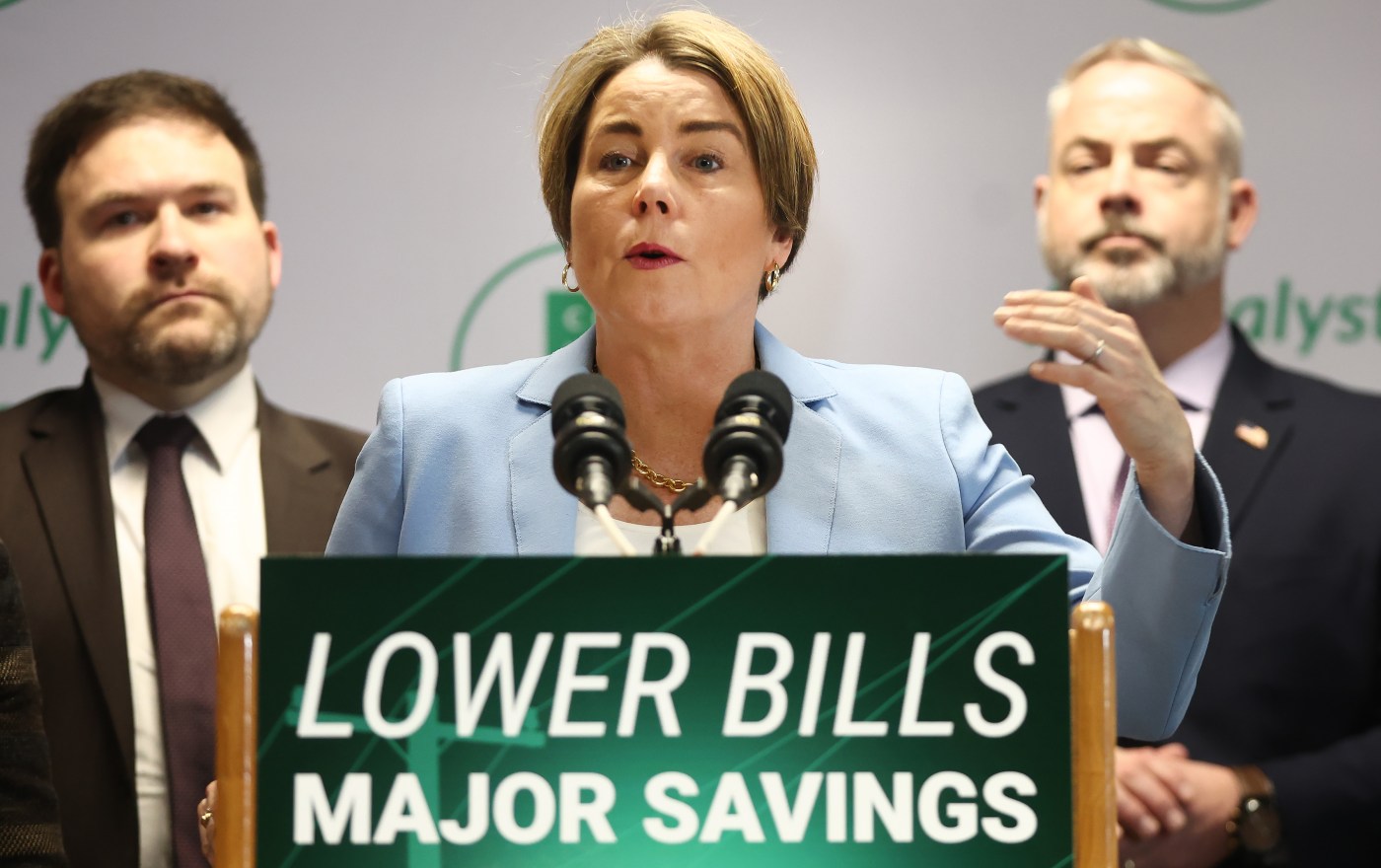
Gov. Maura Healey is facing backlash from multiple directions after pushing back the start date of the new Clean Heat Standard, which requires natural gas, propane and oil providers to support state climate goals, by two years to 2028 – notably after the 2026 statewide elections.
The three Republican candidates for governor, along with leaders in the natural gas, propane and home heating oil industries, are criticizing Healey for the delay, something they say is based on political strategy rather than concern for lowering energy costs for the public.
“I believe the governor has hit the pause button on the Clean Heat Standard due to the fact that energy pricing is top of mind here in Massachusetts and it could become, and will become, a debatable question as she tries to secure another term,” President of the Massachusetts Energy Marketers Association Michael Ferrante told the Herald.
“The governor is wrestling with a political hot potato on energy pricing, and knowing that the Clean Heat Standard will impact energy pricing here for all the fossil fuels, that’s a concern of hers,” he said.
Established by an executive order signed by former Republican Gov. Charlie Baker, the Clean Heat Standard requires suppliers of natural gas, oil and propane to provide an increasing quota of “clean heat” services like heat pumps, weatherization or other state-verified low-carbon options. If the companies don’t hit those targets themselves, they can purchase credits from companies provide those services.
On December 23, the Massachusetts Department of Environmental Protection (MassDEP) sent a letter to stakeholders in the thermal industry informing them of the two-year delay, citing a “current focus on stakeholder input and program design,” along with the need to “evaluate new fuel and emissions data, analyze affordability trends, monitor heat pump adoption, and collect additional information.”
The governor’s office attributes the delay to the necessity of gathering more information from the public.
“Governor Healey is focused on lowering energy costs. That’s why we went straight to the public to get their thoughts on the implementation of the Clean Heat Standard. We heard a clear desire to take additional time to implement these changes, let the market develop, and keep costs down,” said Healey spokesperson Karissa Hand when asked about the delay and if the governor is concerned about the political fallout from the policy. .
But, like Ferrante, the Republican candidates for governor think Healey ordered MassDEP to delay the start of the policy in order to dodge the negative political feedback during an election year.
“When you know a policy is so damaging that you have to hide it from voters, it’s clear you’re putting politics ahead of people,” said candidate Mike Kennealy. “This election is about whether we continue down a path of higher energy bills and political gamesmanship with Governor Healey, or choose common sense governance that makes our state affordable for everyone—not just the wealthy or well-connected.”
Fellow candidate Brian Shortsleeve calls the delay by Healey a “cynical political ploy,” similar to when she delayed offshore wind contract negotiations in December and how she pushed back the start of the Advanced Clean Trucks mandate from 2025 to 2027.
“Healey knows her expensive mandates will hike energy costs for households and businesses across Massachusetts, so she is kicking the can past the election to avoid taking responsibility at the ballot box,” Shortsleeve said. “Rather than confront reality, Healey is playing politics with people’s wallets: delaying mandates now, while planning to bring them back full force after voters have already cast their ballots. If this policy were truly affordable or well-designed, she would defend it openly instead of hiding its impact until after the election. It’s cowardly.”
As for candidate Mike Minogue, the GOP megadonor slammed Healey for pushing the implementation of the program until after the election, calling the Clean Heat Standard and the state’s NetZero by 2050 mandate an unfunded ideology.
“The governor plans to further increase your energy costs, which are already highest in the nation, AFTER the election in 2026. Voters should demand she cancel, not delay, implementing this unfunded Net Zero Ideology bill that will cost the taxpayers more than $300B and drive away the remaining businesses and entrepreneurs. We must do better in 2026,” said Minogue, pointing to a study of the policy that found it could increase utility bills by hundreds of dollars for Massachusetts ratepayers.
That study, conducted by consultant group Diversified Energy Specialists, found that Massachusetts ratepayers reluctant to make the switch to cleaner heating sources could see themselves priced out of the traditional heating market, predicting that individual bills could increase as much as $425 annually.
“The Clean Heat Standard is a textbook example of government overreach — crafted behind closed doors by climate activists, with no regard for the financial strain it places on working families. If the Governor truly believed in this plan, there would be no need to delay it for political convenience,” added Kennealy.
Ferrante also challenged Healey’s and MassDEP’s claims that the two-year delay is meant to allow for more time to collect input from industry stakeholders and the public, saying that the agency has been collecting information from home heating businesses for over a year now.
“This is already in place, it’s happening now. This regulation for Massachusetts companies has been in place since January 2025,” Ferrante said. “Every retail heating oil dealer in the state, every propane company and every natural gas utility must register with MassDEP as a company selling fossil fuels, must report to MassDEP on a quarterly basis, including their fuel volumes — every gallon of fuel and every therm of natural gas they sell, and the corresponding greenhouse gas emissions.”
Ferrante also says that within this two-year span until the policy is implemented, the state still needs to complete and review a draft regulation on the Clean Heat Standard — something that was supposed to be released in 2022, but was pushed back. He says without the draft, it will be impossible to tell just how much the policy will affect ratepayers and home heating suppliers.
He adds that the regulatory scheme will ultimately force ratepayers onto electric heating or other state-approved clean heating sources by driving up costs for ratepayers and driving the majority of the thermal industry out of business.
“It offers heating oil companies, and heating oil companies only, credits for selling or delivering and installing ‘clean technologies,’ which are electric heat pumps and renewable biofuel,” Ferrante explained. “If you do not sell and install electric heat pumps and you don’t sell and deliver liquid biofuel, you cannot earn credits from the state. So, you will pay what is called an Alternative Compliance Payment, call it a tax. That is going to be a significant burden on these companies and it will put them out of business.”
The study by Diversified Energy Specialists predicts that smaller fuel dealers will be negatively affected by the policy more than larger companies. Additionally, the group found companies that install heat pumps will be hurt significantly less than those that don’t.

More Stories
Why Corporate Video Production Matters More Than Ever for UK Businesses
The challenge is no longer simply whether to use video, but how to create content that feels credible, supports a...
How Gambling Affiliates Can Make Trust Part of the Business Model
For publishers and gambling businesses, the challenge is to make that relationship clear without losing the useful analysis that brought...
Getting to know you: Oliver Corrigan, managing director, WorkWell
Oliver Corrigan is the founder and managing director of WorkWell, a Yorkshire provider of serviced offices, co-working space, meeting rooms...
Getting to know you: Stefano Maifreni, founder, Eggcelerate
Stefano Maifreni is the founder and director of Eggcelerate, a London-based practice that acts as a fractional COO and CCO...
Simple Steps To Take To Make Your Business Premises More Appealing To Customers
A neglected entrance, dirty windows, or a poorly maintained exterior can make even a successful business appear less professional than...
Britain should scrutinise Gulf capital, not squander it
That ‘twitch’ became evident for the second time in a month this week, this time over the United Arab Emirates’...