
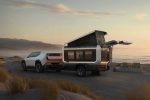
Honda Base Station Camper Prototype Brings Adventure to Your Everyday SUV

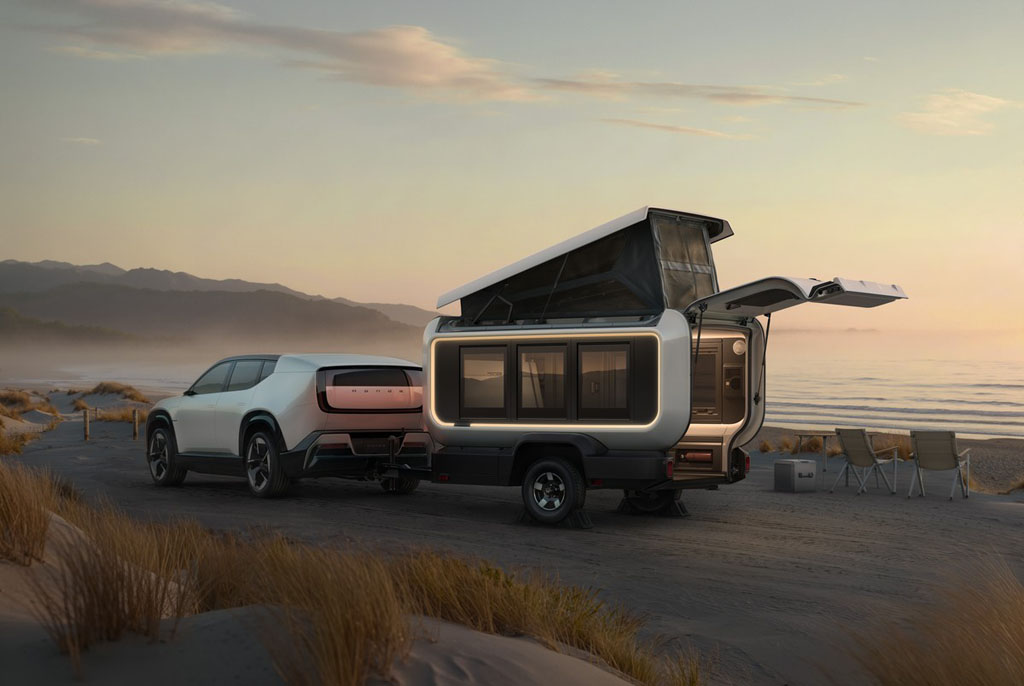
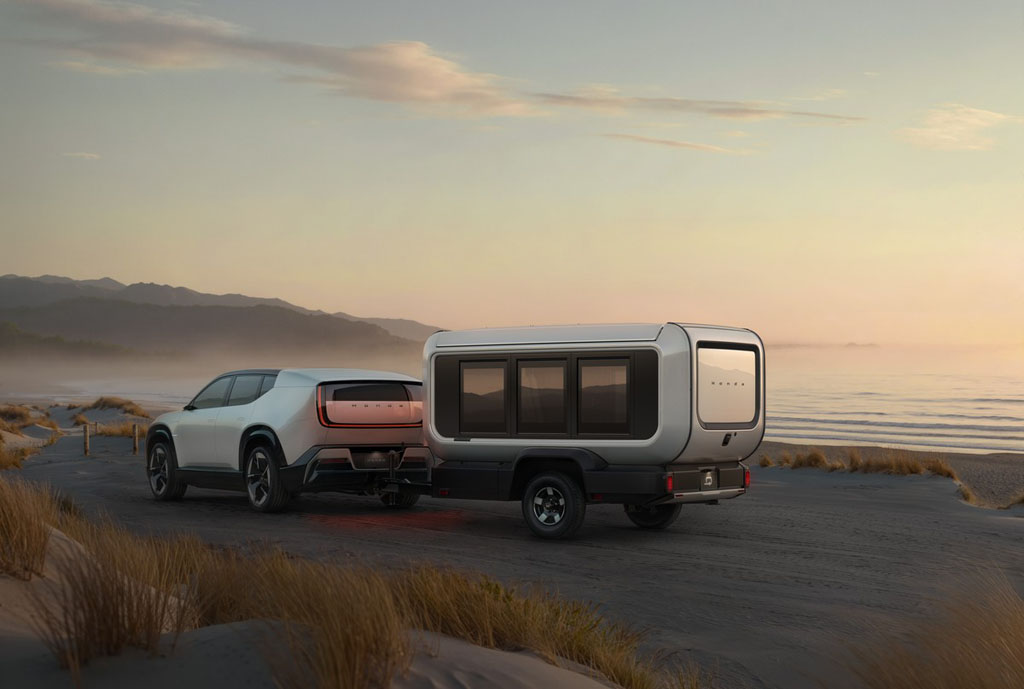
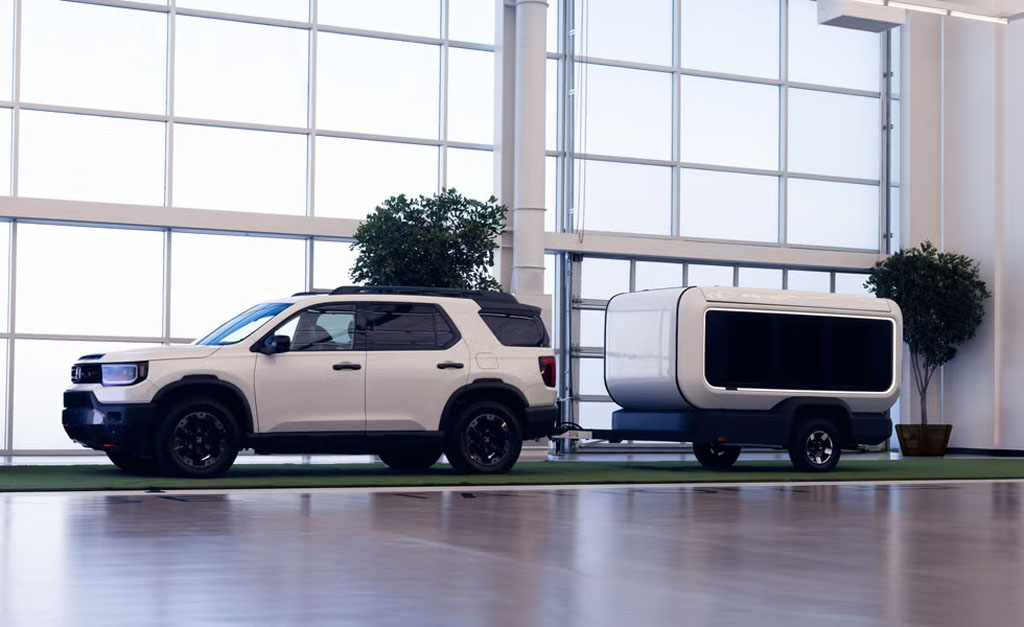
Honda is quietly getting serious about the outdoors, and the Base Station prototype is one of the clearest signs yet. After leaning into TrailSport versions of its SUVs, the brand is now testing the waters with a compact towable camper that feels right at home next to a Passport or Pilot at a trailhead. What makes it especially interesting is who designed it: the same creative team behind the Motocompacto folding scooter, which explains the Base Station’s clever packaging and modular, “use it your way” attitude.
The big hook is weight. Honda says the Base Station comes in under 1,500 pounds, which is a huge deal in a world where many campers quickly push beyond what smaller SUVs can comfortably pull. That lighter footprint opens the door for a much wider range of tow vehicles, including mainstream crossovers like a Honda CR-V or even a Toyota RAV4. If Honda’s goal is to “democratize camping,” keeping it light, simple, and accessible is the right place to start.
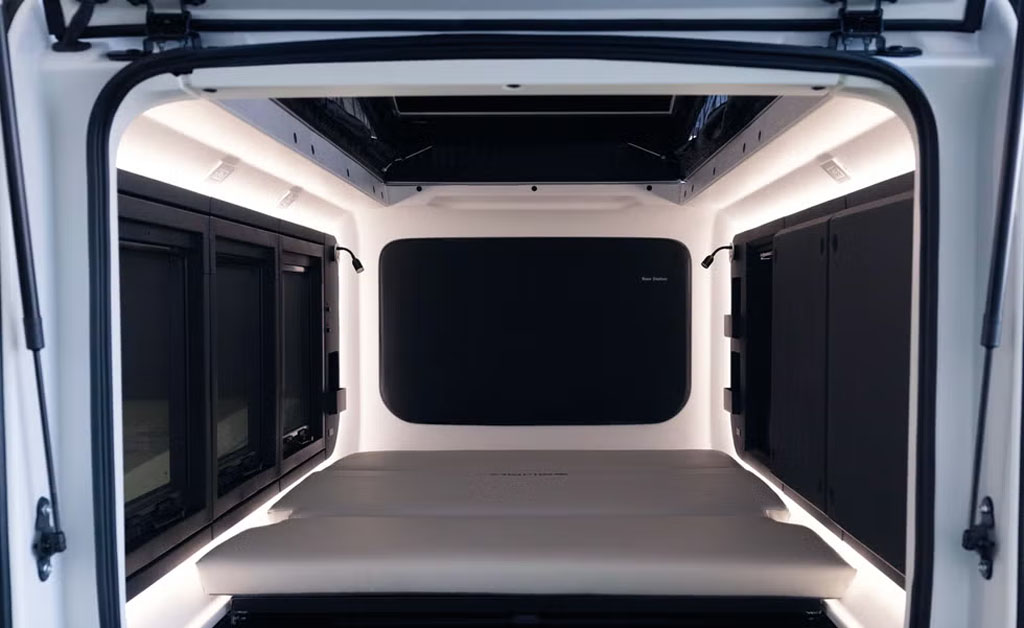
Despite the compact size, the Base Station sounds surprisingly livable. With the roof raised, it offers up to seven feet of headroom at its tallest point, so you are not forced into a permanent crouch just to move around. It is designed to sleep up to four, using a fold-out futon-style couch that turns into a queen-size bed, plus an optional bunk setup. Inside, there’s also a built-in screen that controls essentials like ambient lighting, outlets, and heat, which makes it feel more like a modern micro-cabin than a barebones cargo box.
Where the Base Station really leans into Honda’s gadgety side is the modular accessory approach. The trailer comes standard with a heater and multiple windows, but those windows can be removed and swapped for add-ons. Honda is talking about launch accessories like a shower, a kitchen module, and an A/C unit, with extras like an awning and additional power storage planned later. Power comes from a lithium battery and inverter tucked under the futon, and it can recharge via campsite hookups or by using the solar panels integrated into the roof. Pricing is still not official, but Honda is aiming for a midpack sweet spot somewhere between $20,000 and $40,000, which could put it on the radar for a lot of first-time campers who want to get outside without jumping into full-size RV life.

More Stories
Lewis Hamilton’ Dream Ferrari F40 is a Barn Find That Sat for 30 Years
Lewis Hamilton has added one of the most iconic supercars ever built to his garage, and this one comes with...
The New Wave of Retro EV Car Designs
EV Car design is changing. As the industry shifts to electric, some of the most talked-about new models are not...
Hyundai Boulder SUV Looks More Likely as CEO Teases Family of Body-on-Frame Vehicles
Hyundai may be getting much more serious about taking on rugged SUVs such as the Ford Bronco, Jeep Wrangler, and...
2027 Chevrolet Traverse Invoice Price, Dealer Cost, and How to Get the Best Deal Near You
The 2027 Chevrolet Traverse is on dealer lots now with confirmed pricing and two genuinely useful updates that make it...
2027 Nissan Rogue e-Power Hybrid Launch Accelerated as RAV4 and CR-V Pressure Builds
Nissan is moving faster than expected to get its next-generation Rogue Hybrid into U.S. showrooms, and the timing makes plenty...
2027 Hyundai Palisade Invoice Price, Dealer Cost, and How to Get the Best Deal Near You
The 2027 Hyundai Palisade is confirmed on sale with pricing live on Hyundai USA’s own website, and the buying conditions...