
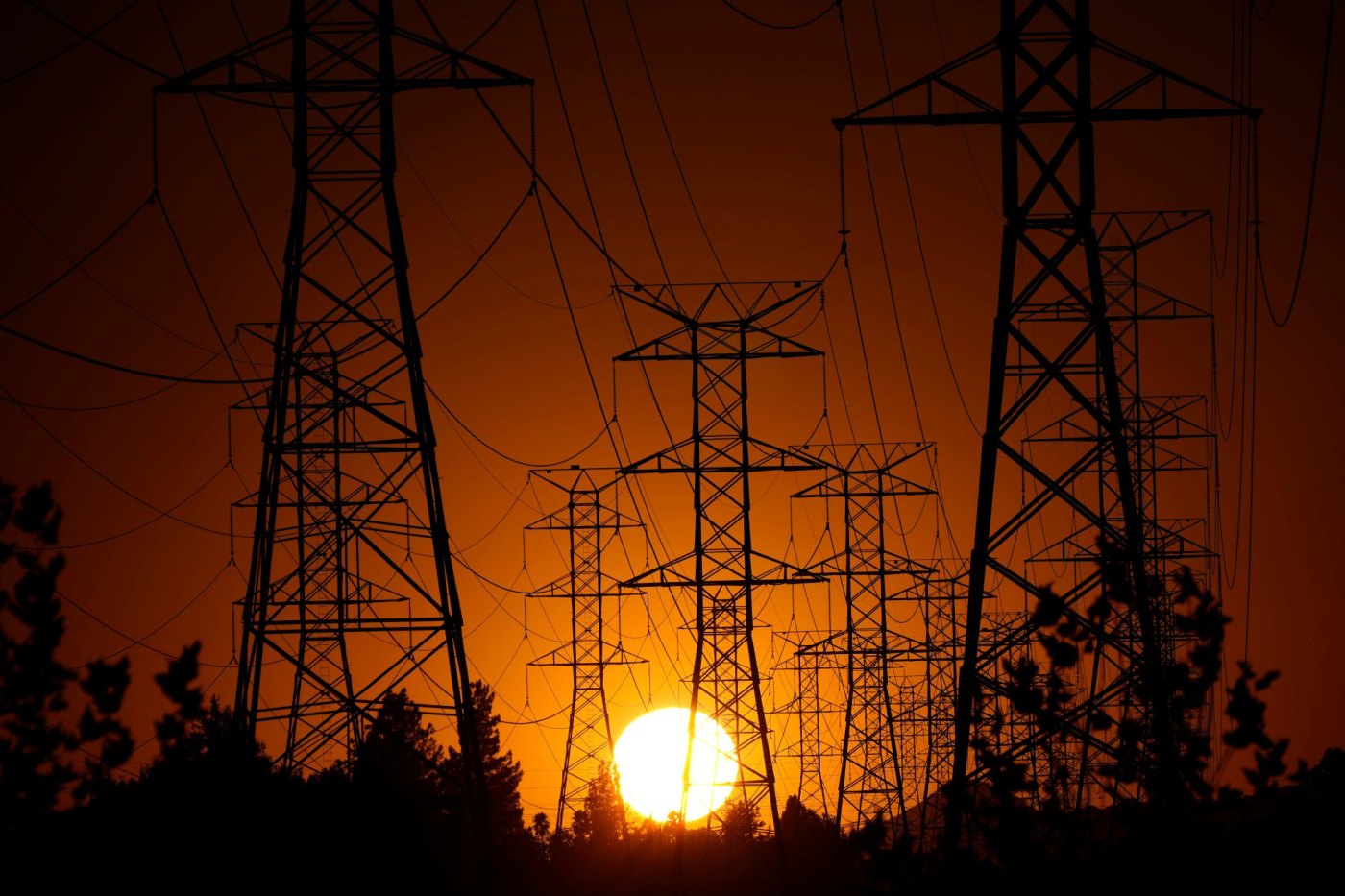
Opinion: Bay State paying for costly energy policies

Massachusetts has embraced some of the most aggressive climate and energy policies nationwide, and electricity prices in the Commonwealth remain among the highest in the United States. That is not a coincidence. Policy choices drive outcomes, and Massachusetts is no exception.
High electricity prices are not an inevitability. Recent analysis from the Institute for Energy Research and Always On Energy Research finds that states with electricity prices above the national average are disproportionately Democratic-led states that rely on aggressive energy mandates. These policies reshape generation mixes, limit supply options, and impose compliance costs that ultimately show up in consumers’ electric bills. Massachusetts fits this pattern closely.
State leaders often point to climate targets, mandates, and litigation as evidence of leadership. But climate leadership comes at the cost of affordability, leaving working families with higher bills and fewer options.
When affordability concerns arise, they are acknowledged briefly and then set aside. Earlier this year, amid growing concern about cost and feasibility, lawmakers questioned whether Massachusetts’ 2030 emissions targets were achievable. The discussion went nowhere, and public assurances quickly followed that the state remained on track. The facts suggest otherwise.
Recent reporting by the CommonWealth Beacon underscores how far Massachusetts’ climate framework has drifted from real-world enforcement. Court records indicate that a 2017 regulation requiring annual emissions reductions from state-owned vehicle fleets was never followed by any state agency. Regulators failed for years to collect required reports or take enforcement action, even through multiple administrations. The lapse is especially striking given that the regulation stemmed from a Supreme Judicial Court order meant to strengthen the state’s climate program.
Consumers, meanwhile, are being asked to absorb the costs of aggressive climate mandates, including electric vehicle requirements and restrictive building codes, while state agencies have failed to comply with their own mandates.
That inconsistency matters because energy costs are real. They reflect cumulative policy decisions — mandates, permitting delays, infrastructure constraints, and limits on supply. When policy overrides market signals, costs rise, and reliability suffers.
States long held up as climate leaders around the country are starting to confront the consequences. New York has delayed its own cap-and-tax program after acknowledging it would impose “extraordinary and damaging costs” on residents. California ratepayers now pay roughly double the national average for electricity, even as the state continues to import power from neighboring states to keep the grid functioning. The warning signs are clear.
Massachusetts residents depend on reliable energy to support their homes, their jobs, and the broader economy. Arbitrary targets and lawsuits do not build power plants, expand transmission, or stabilize the grid. Reliable and affordable energy comes from realistic timelines, enforceable rules, and infrastructure that can actually be permitted and built. Those struggling with utility bills need state leaders willing to prioritize affordability and reliability over ideological mandates.
Energy affordability is sacrificed to advance climate policy. For most people, this debate comes down to one thing: what they pay each month to keep the lights on. Until more states move away from policies that treat expensive electricity as an acceptable tradeoff, millions of households and businesses will continue to pay the price for high energy costs as a deliberate political choice.
Tom J. Pyle is the President of the Institute for Energy Research.


More Stories
Crowdfunded Justice — an Accountability Problem
What it rarely explains is how likely the case is to succeed, what happens to your money if it fails,...
Hardening the Linux Servers That Run Critical Infrastructure
Far less attention goes to the management servers that sit quietly in the back of a data centre or control...
Why good customer service can make a difference for online stores
Especially when something goes wrong with an order, customers quickly notice how much attention a webshop actually gives them. Poor...
3,183 ‘AI’ companies registered in UK in first nine months of 2026
More than 3,100 companies with “AI” in their name were registered in the UK in the first nine months of...
From rugby league to 30,000 meals a week: FuelHub’s James Laithwaite
James Laithwaite is co-founder and chief operating officer of FuelHub, the high-protein meal prep company he started in 2019 with...
Getting to know you: Anita Bhanja, founder, Eternal Paws
Anita Bhanja is the founder and veterinary surgeon of Eternal Paws, a Cheshire practice specialising in home hospice, palliative care...