
Willner and Sullivan: Visa misstep will help predators, scammers

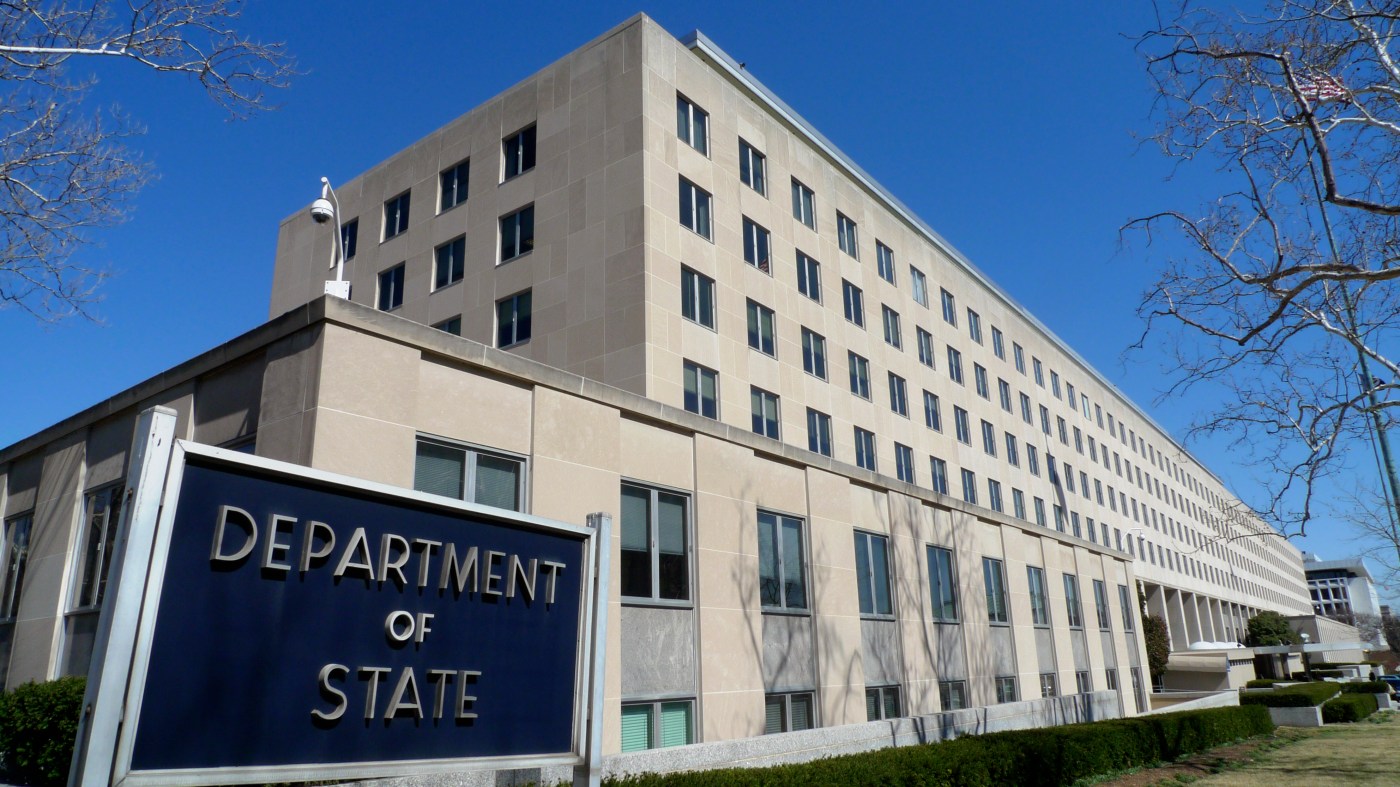
On the day Congress weighed 19 child-safety bills, the State Department told diplomats to deny visas to skilled workers in “content moderation, fact-checking, compliance and online safety,” Reuters reports.
Defending free speech and a free internet are core values where U.S. diplomacy has an admirable track record. This new approach risks counterproductively making life easier for the worst abusers by interfering with the essential work of keeping children and adults safe online.
Trust and safety professionals work across borders at global companies, spending their days (and nights) fighting child exploitation, countering sophisticated scammers and fraudsters, and, in no small part, ensuring their products comply with U.S. laws. For example, they are responsible for reporting child sexual abuse materials to the National Center for Missing and Exploited Children, disrupting the online activity of designated terrorist organizations, and enforcing Treasury Department sanctions on their platforms.
The workers who could be affected by this policy bring expertise in state-of-the-art AI technology and longstanding experience in areas such as child safety, counterterrorism and fighting human trafficking. They frequently work with U.S. law enforcement to report child exploitation, scams targeting the elderly and other criminal activities.
At a moment when concern about kids’ online safety is at an all-time high, and when transformative generative AI technologies need guardrails to prevent harmful misuse, erecting barriers to safety innovation and collaboration is the wrong move.
Consider much of the online content that poses a threat to the health and safety of kids: dangerous challenges, unhealthy body comparisons, or bullying that falls short of the legal definition of harassment. Crucially, trust and safety professionals understand that these types of content are — and should be — legally protected expression, which underscores the need for more nuanced solutions.
There is an urgent need for more collaboration between experts at companies, in government, and from civil society to work together to explore how diplomacy can support free expression globally, without undermining the urgent fight against criminals who abuse online services to exploit everyone from children to the elderly.
Americans want their kids safe and their bank accounts secure. Denying visas to trust and safety experts puts those fundamentals at risk while giving predators and scammers a leg up. Let’s not mistake the people fighting online abuse for the ones who cause it.
Charlotte Willner is the executive director of the Trust & Safety Professional Association, a nonprofit supporting online safety workers worldwide. David Sullivan is the executive director of Digital Trust & Safety Partnership, a nonprofit focused on developing and promoting industry best practices and standards./InsideSources

More Stories
West increasingly vulnerable to energy shocks – IMF
Dwindling oil inventories, low gas stocks and mounting public debt are leaving European economies exposed to further price surges, according...
Best Sites to Buy TikTok Followers, Views and Likes in the UK
Some turn to paid engagement services to increase their follower counts, views and likes. These services can make profiles and...
Tony Buzbee: Why the Buzbee Law Firm Treats Community Work as Part of the Business
The firm takes on personal injury claims, workplace accidents, defective products and medical devices, commercial disputes, and gender discrimination cases,...
The missing space in the hybrid office: a better place for video calls
Video calls have become as routine as email, yet many offices were designed long before the first Teams invite landed...
Best Sites to Buy Instagram Followers, Likes and Views in UK
That is why some users choose to buy Instagram followers, likes and views. These services increase visible numbers, helping profiles...
Midwest Ragdolls: More Than 30 Years in Elburn
Despite that growth, Midwest Ragdolls remains a small, family-run operation, and the same people who built the business over more...