
Opinion: On Affordable Housing, Mamdani Must Pair Speed With Stability

“Voters have endorsed efforts to make development more efficient. But streamlining alone will not help solve the housing crisis if the city’s agencies lack the resources to implement these reforms, or if rent-stabilized homes fall further into distress.”
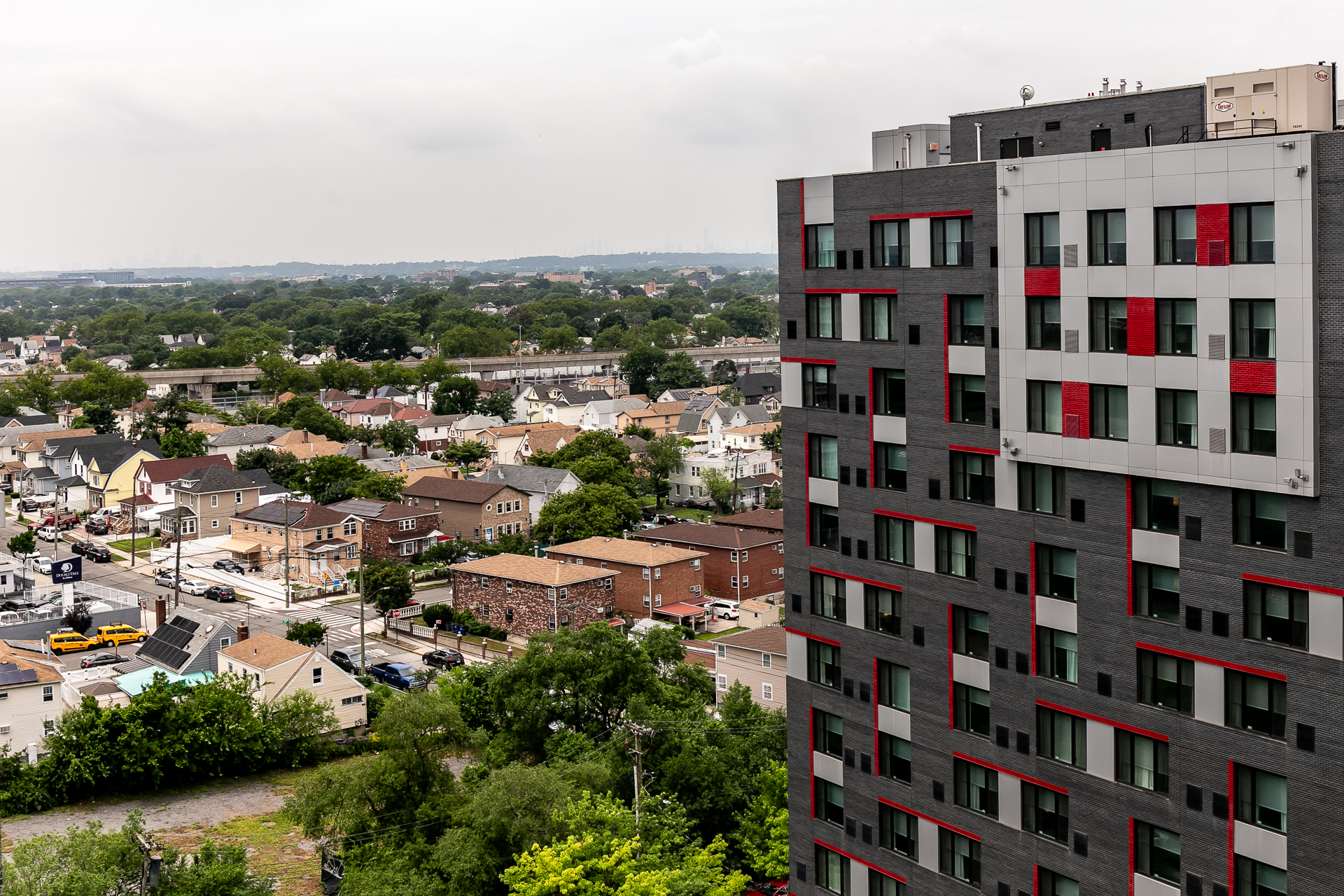
Homes and apartments in Queens. (Adi Talwar/City Limits)
As New York City voters elected Zohran Mamdani as their next mayor with his promise of a rent freeze, they also sent a message to the city that they want more housing development, and they want it faster, when they approved pro-housing ballot measures.
It’s now up to the incoming Mamdani administration to pursue a strategy that follows through on the newly approved measures to accelerate affordable housing production while also protecting the affordable homes we already have, especially New York City’s more than 1 million rent-stabilized apartments. The strategy should include addressing long-standing capacity needs at New York City’s Department of Housing, Preservation and Development (HPD), and bringing down skyrocketing operational expenses that will send rent-stabilized housing stock into further distress.
Currently, projects languish in the zoning review process typically for more than two years, which can “increase development costs by 11 percent to 16 percent, depending on a project’s size and financing, assuming no other changes in a project’s scope,” a report from the Citizens Budget Commission found. Development teams routinely take on significant pre-development debt and every delay increases costs, undermines feasibility, and shrinks the pipeline of new affordable homes.
Voters made clear they want the process to change. One approved ballot measure will fast-track reviews for 100 percent affordable housing projects citywide, as well as for new, mixed-income housing proposed in neighborhoods that currently produce the fewest homes. Another will accelerate reviews for apartment and condo projects that exceed existing size limits by a small margin. A third change creates a new appeals panel designed to allow developers to challenge City Council decisions that reject or alter housing-related land use applications. A final measure directs the city to digitize its official paper maps to help modernize and streamline future rezoning efforts.
Collectively, these measures are intended to streamline approvals, reduce political delays, and help viable projects advance more quickly through the city’s complex land use process. But these reforms will only work if the administration ensures that HPD, and other city agencies responsible for carrying out these changes, have the resources and staffing necessary to keep pace.
At the same time, New York must preserve the affordable housing already in place as owners contend with rising costs. A new analysis from LISC NY, National Equity Fund, and Enterprise shows that operating expenses for affordable housing have surged nearly 40 percent since 2017. Insurance costs have risen by more than 110 percent, administrative costs by over 50 percent, and repairs and maintenance by 35 percent. The analysis also found that rent collection in these units dropped from 94.2 percent in 2019 to 90.6 percent in 2024. While that nearly 5 percentage point shift may seem small, as arrears climb month-to-month, the financial strain grows exponentially, the analysis said.
This mismatch between rising costs and falling revenue has pushed a majority of properties into distress. In 2024, 57 percent of buildings in the study operated with negative cash flow, threatening building conditions and long-term affordability, and the financial health of nonprofit owners, who make up 64 percent of the portfolio reviewed in the report.
Importantly, these same pressures extend to rent-stabilized housing. A recent analysis by the Community Preservation Corporation of 14,500 rent-stabilized units in its portfolio found that per-unit expenses increased 22 percent between 2020 and 2023, driven by spiking insurance premiums, utilities, staffing costs, and repair needs.
Rent-stabilized apartments represent about 44 percent of the city’s rental housing. Without support to manage rising expenses, this crucial stock is at risk of deterioration or disinvestment. If the administration pursues a rent freeze for these homes as it has promised, it must pair that policy with tools that lower or help with rising expenses to keep these buildings safe, solvent, and well-maintained. Otherwise, a short-term effort to help tenants could unintentionally destabilize this working-class housing.
The road forward requires balance and investment. Voters have endorsed efforts to make development more efficient, but streamlining alone will not help solve the housing crisis if the city’s agencies lack the resources to implement these reforms or if rent-stabilized homes fall further into distress. The Mamdani administration must deliver a comprehensive approach that speeds the creation of new homes while stabilizing the housing that millions of New Yorkers depend on every day.
New Yorkers asked for real change. Now the city must act swiftly, strategically, and with the full understanding that production and preservation are equally essential to an affordable future.
Valerie White is the senior executive director at LISC NY. Christine R. O’Connell is senior director of capital investments and expanded markets at LISC NY.
The post Opinion: On Affordable Housing, Mamdani Must Pair Speed With Stability appeared first on City Limits.


More Stories
Beyond the Microphone: British Comedians Who Became Directors and Presenters
Stephen Merchant co-created The Office and went on to write and direct for the cinema. Simon Amstell writes and directs...
Top 10 Best Hair Transplant Doctors in Turkey: A 2026 Guide to Surgeons
This guide names the top 10 best hair transplant doctors in Istanbul for 2026 and explains, in plain terms, how...
How to Choose an HR System for a Growing UK Business
For a while, email and spreadsheets seem good enough. Then managers start asking where the latest file is, staff have...
Top 10 Best Hair Transplant in Turkey
Turkey has become one of the world’s most familiar destinations for hair restoration, with Istanbul attracting patients from Europe, the...
How to Register a Company in Hong Kong in 2026: A Guide for UK SMEs
You can register a company in Hong Kong remotely, but plan tax, banking and compliance before you start. Why UK...
Timur Turlov Takes Freedom SuperApp Beyond Kazakhstan as Digital Expansion Accelerates
The application combines banking, investments and everyday services in one digital environment. Having built its customer base in Kazakhstan, the...