
Gaskin: Owning AI future means owning the energy future

Artificial intelligence is transforming nearly every sector of society— medicine, transportation, education, finance, and the future of work. President Trump has made it clear that he wants the United States to dominate this technological revolution. Gov. Maura Healey, recognizing both the opportunity and the urgency, has set an ambitious goal: to make Massachusetts the best state for AI development. With our universities, innovators, and skilled workforce, the Commonwealth is well positioned to lead.
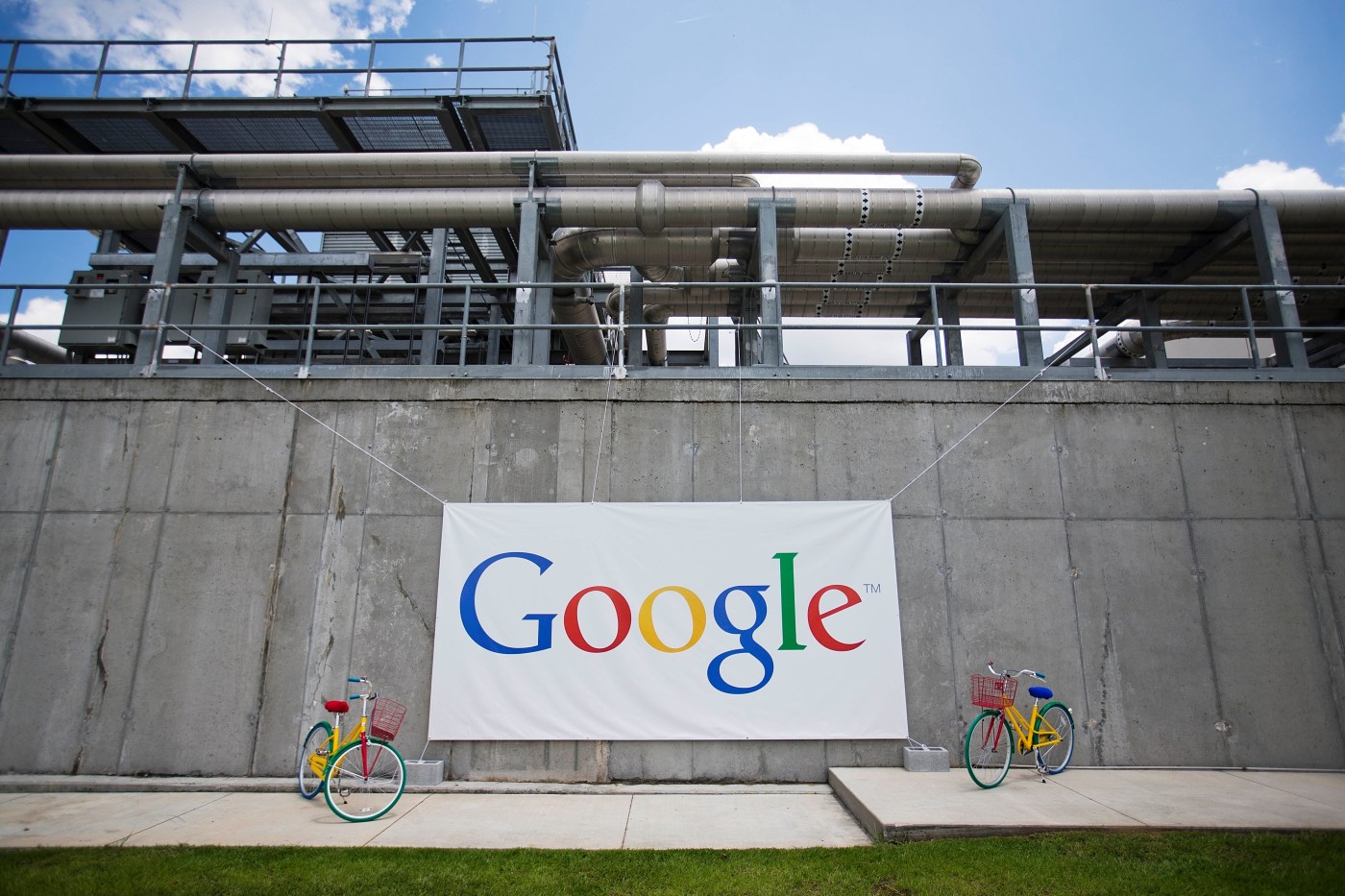
But Massachusetts cannot lead the AI future without confronting a simple, often overlooked truth: AI is not only a software revolution, it is an energy and water revolution. The data centers powering artificial intelligence are enormous industrial facilities that consume massive amounts of electricity and water. Unless the Commonwealth acts now, these demands could overwhelm the grid, drive up electricity rates, strain local water supplies, and impose new burdens on communities that have historically borne the greatest environmental harms.
If we want to lead the AI era, we must get our energy policy, our environmental protections, and our regulatory framework right.
According to the Brookings Institution, U.S. data centers already consumed about 4.4% of all U.S. electricity in 2023, and that share is rising. Researchers at the Lawrence Berkeley National Laboratory project annual growth of roughly 6.7 to 12% in U.S. data-center electricity use through 2028 — driven largely by AI workloads.
Brookings further notes that U.S. data centers may require around 35 gigawatts of electricity by 2030 — roughly equivalent to the power used by every home in New England.
Meanwhile, some next-generation AI facilities may consume electricity at levels approaching those of a mid-sized American city. The exact numbers will vary with design and efficiency, but the magnitude of demand is no longer in dispute.
Yet the federal energy strategy remains out of sync with the energy demands of AI. While the administration pushes for renewed fossil-fuel production, the economics tell a different story. Clean energy is now the cheapest form of new electricity generation in many parts of the country. Solar and wind projects often produce electricity for far less than coal or new natural-gas plants. Because renewables do not rely on fuel, their costs remain stable even when demand rises — a sharp contrast to fossil fuels, which become more expensive as consumption increases. Massachusetts, which already faces some of the highest electricity prices in the nation, cannot build a competitive AI ecosystem on an expensive and increasingly constrained fossil-heavy grid.
Energy, however, is only part of the picture. Water is emerging as the more immediate constraint — and a far greater risk for communities. Data centers use enormous volumes of water for cooling. The Brookings report documents facilities consuming as much as 500,000 gallons of water per day, and notes that some jurisdictions have already raised water rates significantly to accommodate new data-center loads; in one Georgia county, rates increased by 33%.
Massachusetts is not immune to these pressures. Many communities already face seasonal water restrictions and stressed aquifers. Introducing major industrial water users into communities with limited drinking-water capacity could force residents to compete directly with data-center operators for a finite resource. As the AI Data Center Environmental Justice Policy Recommendations warns, without strong regulation, data centers can impose cumulative environmental and public-health harms that disproportionately affect low-income and environmental-justice neighborhoods. These harms include noise, air pollution from diesel backup generators, increased land conversion, and new strains on local water systems.
This brings us to the question: Who pays for the infrastructure needed to support the AI boom?
Data centers require massive upgrades to the electrical grid, including new transmission lines, expanded substations, transformers, feeder lines, and grid-modernization investments. Utilities, eager to sell large volumes of electricity to lucrative commercial customers, may attempt to shift these costs onto ratepayers unless the Commonwealth intervenes.
The environmental justice recommendations are unequivocal: data centers must pay 100% of the costs associated with interconnection, dedicated transmission infrastructure, and any system upgrades needed solely to support their operations. They also call for full transparency around any special electricity rates, discounts, or contracts that could shift costs onto residents.
Several other states have struggled with this issue. In some regions, electricity prices have risen in part because data-center-related infrastructure costs were spread across the entire customer base. Massachusetts cannot repeat that mistake. Protecting ratepayers must be one of Gov. Healey’s highest priorities.
To do that, the Commonwealth must adopt a comprehensive regulatory framework governing data-center siting, environmental review, water use, and cost allocation. Siting decisions should be grounded in rigorous environmental impact assessments that consider cumulative impacts and prioritize redevelopment of existing industrial sites over greenfields or environmentally sensitive areas. Communities must have a meaningful role in these decisions, including enforceable community benefits agreements that ensure local residents share in the economic value created.
The Commonwealth is well positioned to become the national leader in AI development. But leadership requires foresight. It requires a firm commitment to ensuring that working families and environmental-justice communities do not subsidize the infrastructure needed for corporate AI expansion. And it requires recognizing that clean energy, water stewardship, and equity are not obstacles to innovation — they are the foundation of sustainable innovation.
Ed Gaskin is Executive Director of Greater Grove Hall Main Streets and founder of Sunday Celebrations


More Stories
Hate the new Jaguar? Good. That’s rather the point
Most Sunday mornings in winter, I can be found in a cold garage doing what owners of classic cars do...
Beyond the Microphone: British Comedians Who Became Directors and Presenters
Stephen Merchant co-created The Office and went on to write and direct for the cinema. Simon Amstell writes and directs...
Top 10 Best Hair Transplant Doctors in Turkey: A 2026 Guide to Surgeons
This guide names the top 10 best hair transplant doctors in Istanbul for 2026 and explains, in plain terms, how...
How to Choose an HR System for a Growing UK Business
For a while, email and spreadsheets seem good enough. Then managers start asking where the latest file is, staff have...
Top 10 Best Hair Transplant in Turkey
Turkey has become one of the world’s most familiar destinations for hair restoration, with Istanbul attracting patients from Europe, the...
How to Register a Company in Hong Kong in 2026: A Guide for UK SMEs
You can register a company in Hong Kong remotely, but plan tax, banking and compliance before you start. Why UK...