
Robidoux and Shapiro: Ending elder isolation should be Boston’s mission

As families gather across Greater Boston this holiday season —sharing meals, laughter, and conversation — thousands of older adults will spend the season alone. For many, days pass without a visit, a phone call, or a friendly voice. This isn’t just a matter of loneliness; it’s a matter of public health.
In his 2023 Advisory on the Healing Effects of Social Connection and Community, U.S. Surgeon General Dr. Vivek Murthy issued a clear warning: isolation and disconnection are as harmful to our health as smoking 15 cigarettes a day. The evidence is undeniable — when people are cut off from community, their risk of heart disease, dementia, depression, and premature death rises dramatically.
That’s why organizations like FriendshipWorks and the YMCA of Greater Boston are working together to make connection a citywide priority. Across neighborhoods — from Jamaica Plain to Roxbury to Dorchester and beyond — we see how friendship can transform lives. The YMCA of Greater Boston has built a coalition to double down on invitation, access, and connection in inter-generational spaces for tens of thousands of families and individuals in our “See You at the Y” campaign. The YMCA also made a recent decision to ensure it has locations open every day of the year knowing that it may be a place of refuge, routine, and connection even on holidays for many without family or places to go.
FriendshipWorks and the YMCA run programs that engage older adults, create human connection, and activate volunteers to form meaningful relationships. We know that a weekly visit from a volunteer, a shared walk, a group exercise class, or a simple conversation over a board game can turn isolation into belonging. We are committed to not only provide impactful programs and services but to catalyze a movement that empowers communities with the tools, resources, and support to address this critical issue.
Boston has long been a city of innovation and compassion. We also know that we will need to increase our efforts because according to a City of Boston study by the Age Strong Commission, the population 60 and older in Boston grew by 61% from 2000 to 2025, reaching 18.1% of the city’s population. We believe Boston can continue to be a model city for healthy aging through intentional and thoughtful connection — a place where neighbors look out for and support one another, where community is part of our health and civic infrastructure, and where everyone, regardless of age, feels seen and valued.
This holiday season and into the new year, we invite all Bostonians to make connections with older adults as our shared resolution. We all can make a positive difference in someone’s life and intergenerational relationships offer a unique richness. You can:
Volunteer with programs that connect neighbors of all ages.
Check in on an older neighbor — a knock on the door, a friendly conversation, or a helping hand can mean the world to them.
Get involved with organizations that foster friendship and social inclusion for all ages.
Learn how you can move the conversation from “Social isolation is just what happens to older adults in our society” to “Social isolation is something we can prevent – together.”
Fostering connections is not a charitable goal — it’s a public health necessity and a social justice issue. Together, we can ensure that older adults have the opportunity to thrive in their community and contribute to our civic life. Because connection isn’t only a gift for the holidays — it’s the foundation of a healthy, caring, thriving city.
Kyle Robidoux is the Executive Director of FriendshipWorks and lives in Roxbury.
David Shapiro is the Chief Executive Officer of the YMCA of Greater Boston and lives in Jamaica Plain.
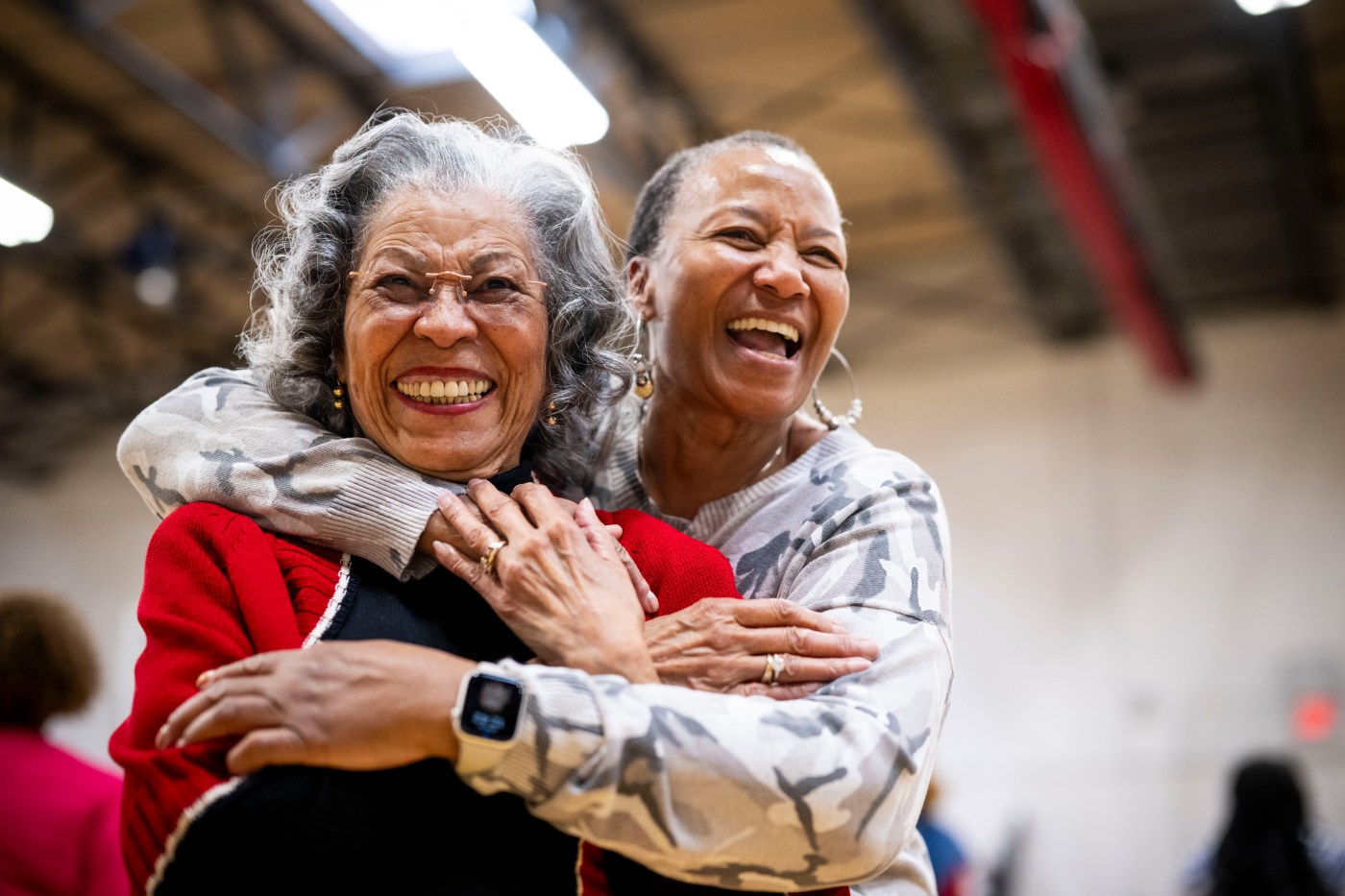
Senior visitors to the Y enjoying the benefits of connection and community. (Photo courtesy YMCA of Boston)
More Stories
When SMEs scale connected services: how to keep ownership and avoid rebuilding the platform every time the business pivots
Most connected services start with a narrow business problem. A manufacturer may add remote monitoring to reduce support calls, give...
6 Ways a Car Cover Can Save You Money on Vehicle Maintenance
A car parked in the driveway may look perfectly safe, but every day it sits outside, it is exposed to...
Applied Nutrition closes in on £1bn valuation after raising guidance for third time this year
The sports supplement maker Applied Nutrition has raised its annual sales and profit guidance for the third time this year,...
One of Britain’s oldest family firms to save £250,000 a year as energy scheme opens to forges
One of the UK’s oldest family-owned companies has praised the government’s decision to include forges in its energy subsidy scheme...
Burnham signals more energy bills support in budget as price cap rises 4 per cent
Andy Burnham has signalled that there will be more support to help people with their bills in the budget, as...
OnlyFans owner dividends topped $700m before his death
Fenix International, the London company behind OnlyFans, paid its owner more than $700 million in dividends in and after its...