
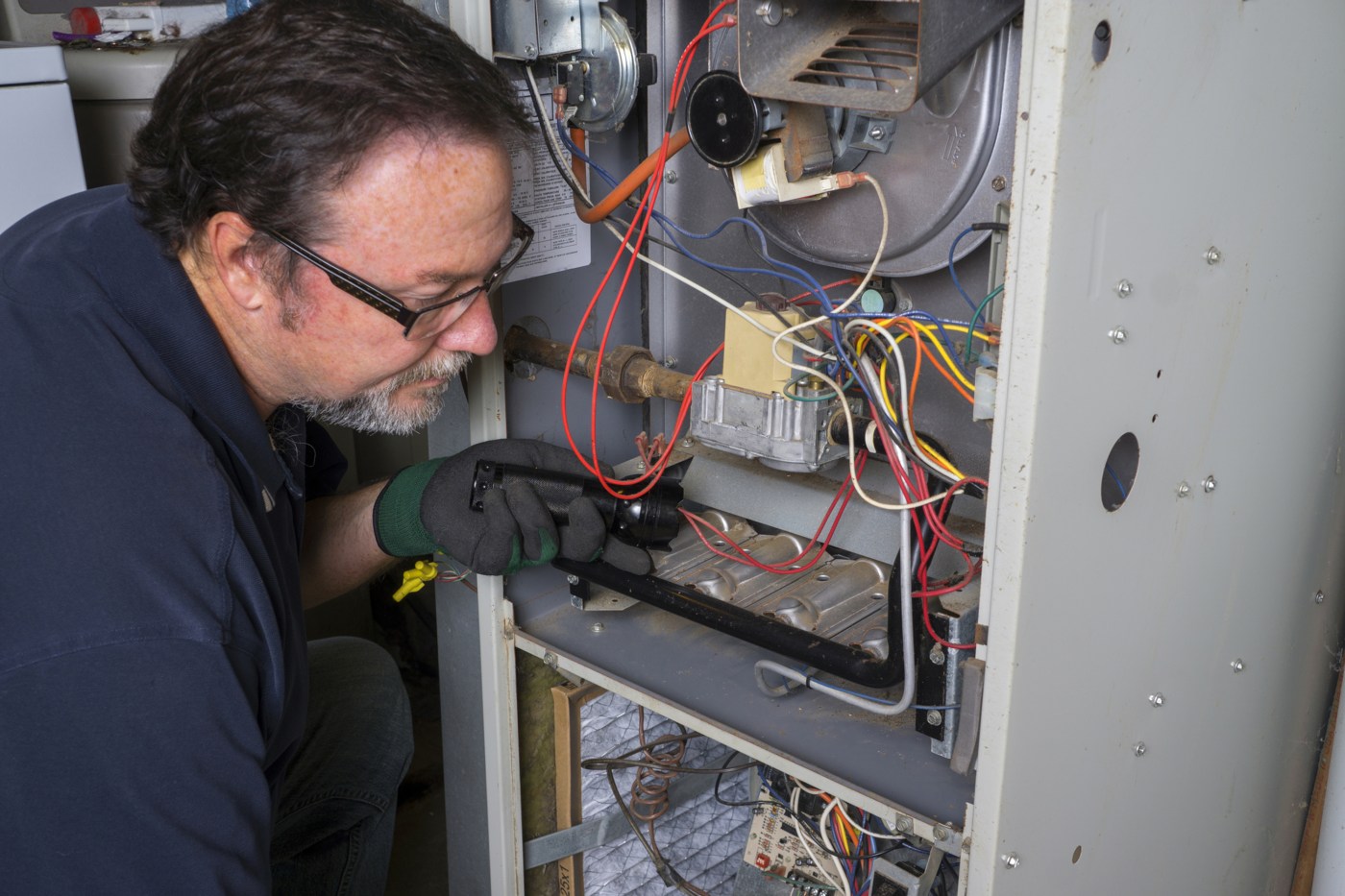
How can I troubleshoot my furnace?

As temperatures drop, your furnace becomes the unsung hero keeping your home warm and comfortable. But like any hardworking appliance, it can run into trouble, especially after months of sitting idle. Staying alert to early warning signs can help you fix small issues before they become expensive emergencies.
Here’s what to watch for in your furnace as winter sets in.
1. The furnace won’t turn on
Few things are more frustrating than a cold morning and a silent furnace. If your unit won’t start, check the basics first. Make sure the thermostat is set to “heat” and has fresh batteries. Confirm that the power switch is on and the access panel is secure. Then, inspect your circuit breaker. If it’s tripped, flip it fully off and back on.
If the breaker trips again, you could have a wiring or overload problem that requires a licensed electrician. Don’t ignore this sign; repeated tripping could point to a deeper electrical fault.
2. Malfunctioning thermostat
The thermostat is the command center of your heating system. When it misreads your home’s temperature, your furnace won’t cycle correctly.
To test it, raise the setting 10 to 15 degrees above room temperature. If the furnace doesn’t respond, your thermostat may be faulty. Replacing or repairing it is a quick job for a furnace pro. It’s an easy fix that restores both comfort and efficiency.
3. Dirty or clogged filters
A clogged air filter is one of the simplest (and most common) furnace problems. Dirty filters restrict airflow, forcing your system to work harder and burn more energy. At worst, it can cause overheating and shutdowns.
Most filters should be replaced every 90 days, though thicker ones may last longer. Mark your calendar to stay ahead of it. Clean filters are the cheapest insurance policy you can buy against winter breakdowns.
4. Unusual sounds
A healthy furnace hums quietly in the background. But grinding, squealing or rattling are signs of trouble.
Grinding or scraping often means worn bearings. Squealing can indicate a loose or frayed blower belt. Rattling or knocking may point to loose parts.
Turn the system off and call an HVAC technician before damage spreads. A small mechanical repair today can prevent a major component failure tomorrow.
5. Pilot light or ignition problems
Older furnaces use pilot lights, while newer ones rely on electronic ignition systems. Either can malfunction. A weak or yellow pilot flame signals a clogged burner, while no flame at all may indicate a faulty thermocouple.
You can try relighting the pilot using your owner’s manual, but be cautious, because natural gas is flammable and dangerous. If you smell gas or hear a boom when the burner lights, shut everything down and call an HVAC professional immediately.
6. Cracked heat exchanger
This is one of the most serious furnace issues. A cracked heat exchanger can leak carbon monoxide, a dangerous and odorless gas. Warning signs include soot inside the furnace, strange smells, or headaches and nausea among household members.
If you suspect a problem, evacuate your home and call emergency services and an HVAC expert. Safety always comes first.
7. Odd odors
Pay attention to furnace smells. A metallic or burning odor could mean overheated electrical components. A musty smell suggests moisture or mold in the ducts. And if you ever detect a sulfur or rotten-egg scent, that’s a gas leak. Turn off your furnace immediately, get everyone out as swiftly as possible, and contact your gas company.
8. When to hire a pro
Some fixes, like replacing filters or thermostat batteries, are simple. But electrical work, mechanical repairs or gas issues call for licensed professionals. A technician will inspect your system, diagnose the cause and recommend options. Always compare a few quotes before signing off on major work.
9. Preventive maintenance
If you haven’t yet fired up your furnace this season, schedule a tuneup before temperatures plunge or ice forms around vents and exterior pipes. A professional cleaning and inspection each fall keeps your system efficient, safe and ready for the weather. You’ll usually pay about $100 for this work, and if you have a service contract with an HVAC company, it may be covered already.
Tweet your home care questions with #AskingAngi and we’ll try to answer them in a future column.
©2025 Ask Angi. Visit at angi.com./Tribune News Service

More Stories
When SMEs scale connected services: how to keep ownership and avoid rebuilding the platform every time the business pivots
Most connected services start with a narrow business problem. A manufacturer may add remote monitoring to reduce support calls, give...
6 Ways a Car Cover Can Save You Money on Vehicle Maintenance
A car parked in the driveway may look perfectly safe, but every day it sits outside, it is exposed to...
Applied Nutrition closes in on £1bn valuation after raising guidance for third time this year
The sports supplement maker Applied Nutrition has raised its annual sales and profit guidance for the third time this year,...
One of Britain’s oldest family firms to save £250,000 a year as energy scheme opens to forges
One of the UK’s oldest family-owned companies has praised the government’s decision to include forges in its energy subsidy scheme...
Burnham signals more energy bills support in budget as price cap rises 4 per cent
Andy Burnham has signalled that there will be more support to help people with their bills in the budget, as...
OnlyFans owner dividends topped $700m before his death
Fenix International, the London company behind OnlyFans, paid its owner more than $700 million in dividends in and after its...