
St. Paul City Council OKs 5.3% levy increase, $6.7M in budget changes

St. Paul’s “no frills, no fun” budget proposal was put to bed Wednesday, with a few more frills and fun than previously proposed by Mayor Melvin Carter during his budget address in September.
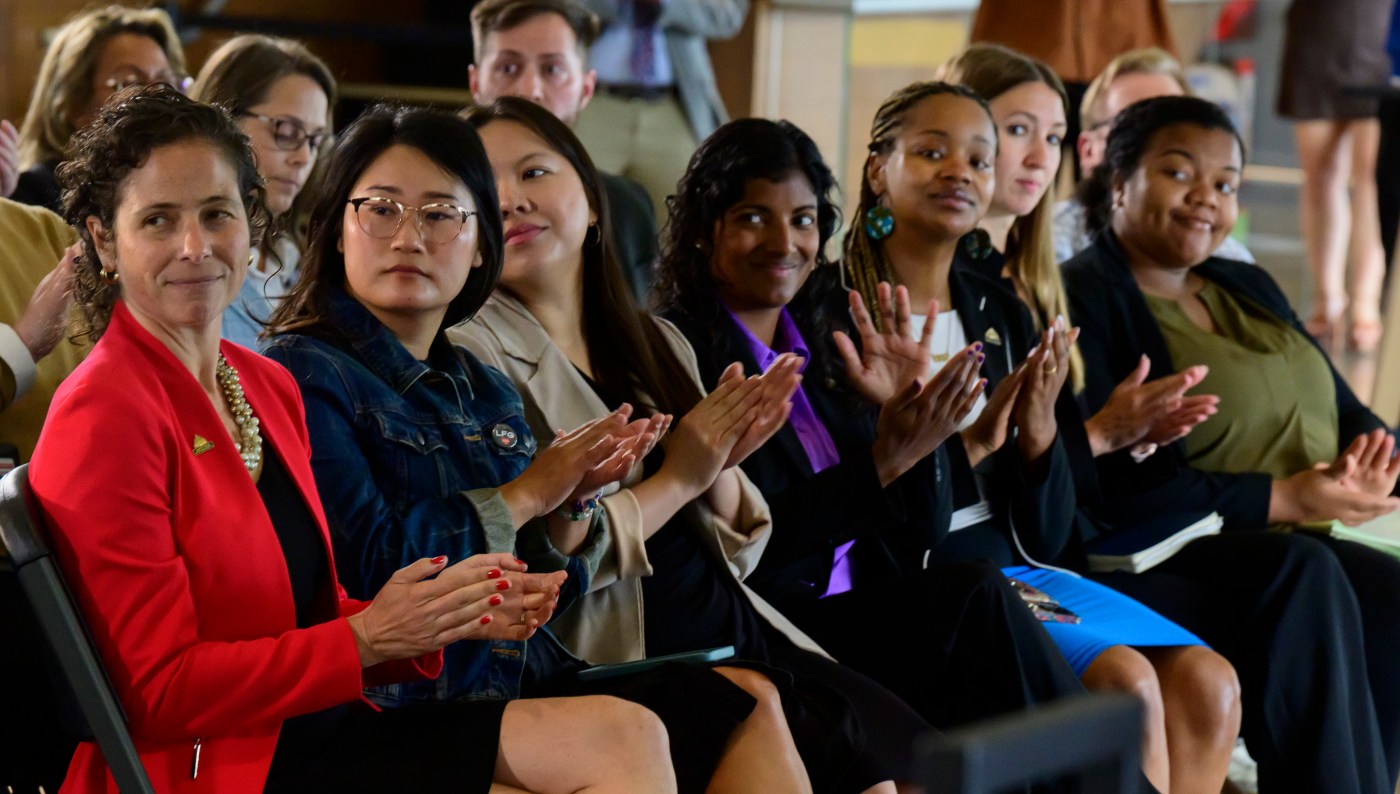
The St. Paul City Council voted 7-0 to adopt the city’s 2026 spending plan, including the 5.3% property tax levy increase proposed by the mayor, following some $6.7 million in last-minute budget amendments. The added spending, taken from $2.5 million in increased paramedic transport fees billed to insurance, as well as staff vacancies and other budget shifts, will not result in a further increase to the tax levy.
“We made changes that made sense,” said Council President Rebecca Noecker, who said the city budget process was more transparent than any she had been involved with in previous years. “I hope that we can feel super, super satisfied … and we did that without raising the levy further.”
The mayor’s office, in a written statement, praised the “strong, constructive partnership between the administration and council” and said the new spending plan reflects responsible budgeting that positions the city “to navigate potential federal policy shifts that could affect local services.”
$877M spending plan
The $887 million spending plan for the coming year will levy $232.5 million to city property owners, supporting a general fund budget of $414.4 million, which includes the library budget.
For the median St. Paul home with a value of $289,000, the new levy will add an estimated $107 to property taxes next year, with wide variation from neighborhood to neighborhood, as well as between property types.
Increased charges related to storm sewers, sanitary sewers, water and recycling will add another $125, for a total increase of $232 in city-related taxes and services.
As a result of shifting property values, some of the city’s lowest-income neighborhoods are poised to experience the greatest hikes in property taxes. Council Member Anika Bowie noted that in communities such as Frogtown, “they’re going to be experiencing dramatic increases.”
Council Member Nelsie Yang said she was disappointed the council was unable to find further savings.
“It’s always been my interest to bring down the levy even more, because of what we’ve heard over and over from many businesses and residents,” Yang said. She advised, “be sure we’re not duplicating programs the state or the county or other entities already have. … The cost of living … is only going to increase.”
Restoring cuts to fire, emergency management
Before adopting the new city budget, the council introduced 23 budget changes en masse in a “global amendment” that arrived with consensus support.
The added spending included restoring funds to the St. Paul Fire Department ($360,000), restoring the fire department’s basic life support night shift ($493,000), and restoring funding for the city’s CARES unit ($669,000), a two-person team comprised of Fire Department EMTs who respond to mental health emergencies.
Another $1.5 million will fund a planned renovation of council chambers, which was put on hold this year. The council put $750,000 toward lighting along Shepard Road, and $177,000 to cover part of the gap created by the loss of federal funding for the Evie electric car-sharing program and its planned expansion to the East Side.
Another $443,000 will fund emergency management staff, shifting the funding off uncertain federal grant funding.
Parks and Rec, libraries
The council also approved restoring hours that would otherwise be cut from the city’s Parks and Recreation centers ($212,000), funding a library employee to restore hours that would otherwise be cut from the Arlington Hills Library ($87,000), and restoring funding for the “Work Now” job training program for homeless workers at Listening House ($100,000).
Another $104,000 will support city council communications staff, and $400,000 will sustain the “Commercial Corridors” business vitality program at current levels. Yet another $219,000 will restore two parking enforcement officers that would be cut from the budget, and hire a third.
Another $175,000 will fund the city’s Immigration Defense Fund, and $125,000 will create a “naturalization support fund.”
The new budget includes $5 million proposed by the mayor for downtown “activation,” which the council dubbed a “Downtown Vitality Fund” after adding some “specificity and direction,” Noecker said.
Bowie proposed using $100,000 from a $1 million fentanyl response initiative to funding a housing program associated with Ujaama Place in her political ward, but her amendment was voted down, 4-3, with Noecker, Yang, Cheniqua Johnson and Council Vice President HwaJeong Kim opposed.
Council members said the plan needed more discussion and should be part of a holistic look at the direction of the entire $1 million initiative.
Related Articles
St. Paul recognizes five businesses with annual award
St. Paul City Council likely to amend mayor’s budget proposal
St. Paul City Council calls for investigation of officers’ use of force during ICE operation
St. Paul City Council to host Truth in Taxation hearing Tuesday
St. Paul Council Member Johnson plans family leave to welcome first child
The council voted 5-2 to support Noecker’s proposal to dip into the city’s Cultural Star grant program for additional library dollars, with Bowie and Johnson opposed.
Johnson, who gave birth to her first child on Saturday, participated in the vote remotely.

More Stories
Dr. Nathan Guerette on Innovation in Women’s Pelvic Health
As a board-certified urogynecologist specialising in Female Pelvic Medicine and Reconstructive Surgery, Guerette has had a close view of that...
A Practical Guide to Pricing Your First Paid Community Tier
Then launch day arrives, a number gets picked more or less on instinct, and six months later nobody can say...
NLP vs Generative AI: Understanding the Key Differences for Businesses
NLP helps machines understand and process human language, while generative AI creates new content, including text, images and code. Although...
Concorde or easyJet? Tesla’s flying Roadster and the robotaxi future
In the summer of 1984, aged nine, I sat cross-legged in front of the television and watched a man in...
Healey weighs income tax on family business handovers
John Healey is considering proposals to levy income tax rather than capital gains tax when owners hand their companies down...
Profit warnings hit near two-year high ahead of Healey’s first Budget
UK-listed companies issued 65 profit warnings between July and September, the highest quarterly total since the end of 2024, according...