
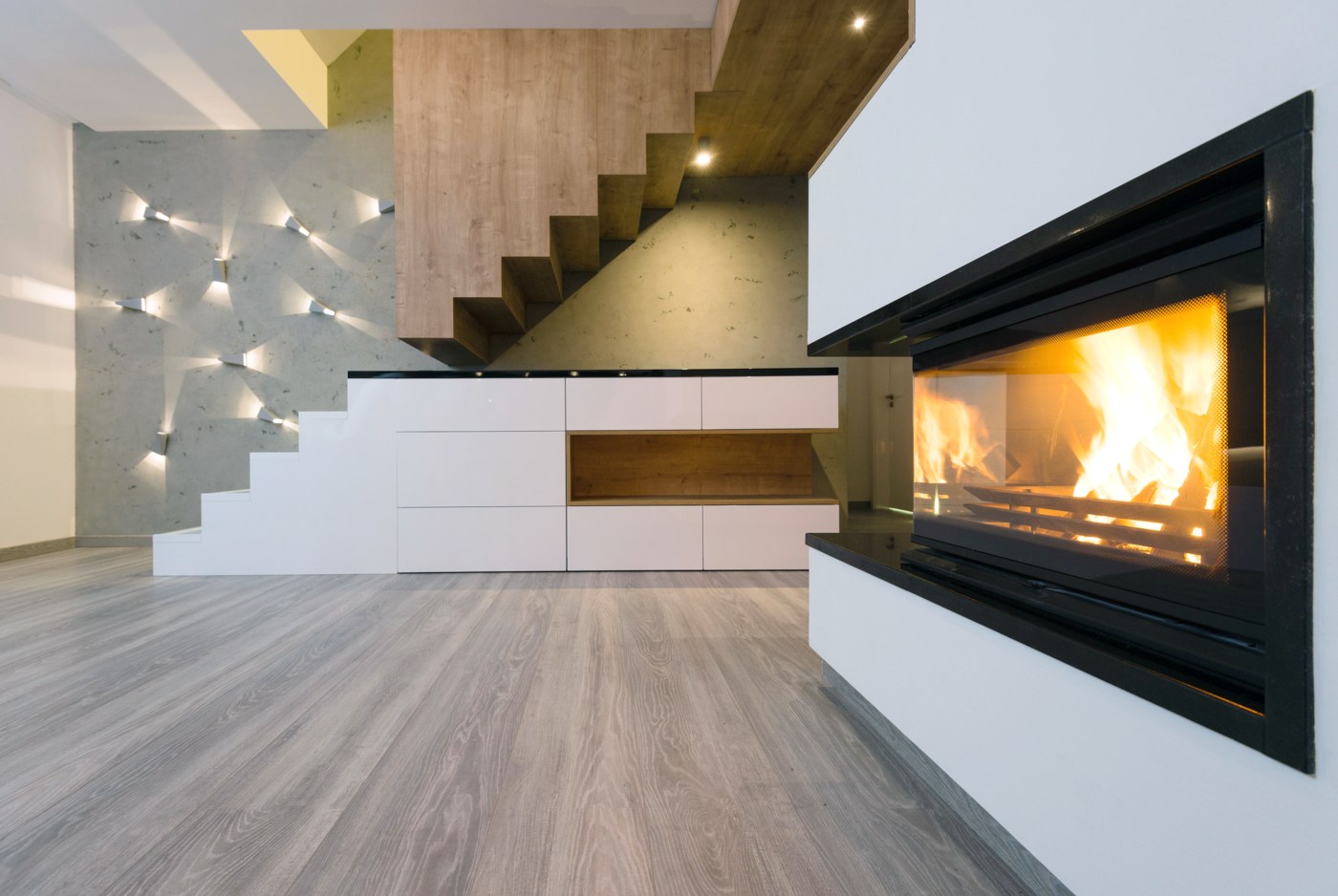
Ask Angi: What kind of fireplace is right for me?

There’s nothing like a fireplace to set the mood on a chilly evening. Whether you’re envisioning the crackle of logs, the convenience of instant flames or a sleek modern design, today’s homeowners have four main options: wood-burning, gas, electric and ethanol fireplaces.
Wood-burning fireplaces
No fireplace design is more timeless than hearths that burn seasoned logs, filling the room with the unmistakable sights, sounds and scents of a classic fire. For many, no substitute can match the authenticity of crackling wood and the sense of warmth that it creates.
That old-fashioned charm comes at a price. Wood-burning fireplaces require chimneys, regular cleaning and occasional chimney sweeping to prevent dangerous creosote buildup. They are less energy efficient than other options because much of the heat escapes through the chimney. Installation is also costly unless your home already has the proper setup.
Still, for homeowners who already have a chimney and appreciate the nostalgic appeal of a real fire, a wood-burning fireplace can be deeply rewarding.
Gas fireplaces
For those who enjoy the look of real flames without the hassle of gathering wood, gas fireplaces offer convenience and reliability. Fueled by natural gas or propane, they provide consistent, adjustable heat and a warm glow that looks remarkably authentic. Many models include faux logs or glass media for a more traditional feel, and the flames ignite instantly.
Gas fireplaces burn more cleanly than wood and are generally efficient, but they do require access to utilities (and thus may not work in a power outage). If you need a new gas line or venting system, installation can be expensive. Even so, many homeowners appreciate the balance of efficiency and ambiance that gas fireplaces provide, particularly in colder regions where steady heat is important.
Electric fireplaces
If your home lacks a chimney or ventilation system, electric fireplaces are the simplest solution. They are available as wall-mounted units, freestanding stoves or inserts, and most simply plug into a standard outlet.
The trade-off is that electric fireplaces produce less heat than gas or wood-burning models, and their artificial flames may not satisfy those who want the authenticity of a real fire. They also depend on electricity, so they will not run during a power outage. Still, their flexibility, affordability and low-maintenance design make them a smart option for anyone who wants the aesthetics of a fireplace without the complications of ventilation or fuel storage.
Ethanol fireplaces
The newest option on the market, ethanol fireplaces burn alcohol-based fuel made from renewable plant materials such as corn, sugarcane or barley. Because ethanol burns cleanly, producing only water vapor and a small amount of carbon dioxide, these fireplaces are ventless and require no chimney or flue.
Design is a major draw for ethanol fireplaces. Homeowners can choose from tabletop models, freestanding units, or recessed wall installations, many of which feature sleek, contemporary lines. Ethanol fireplaces produce real flames, offering a more authentic feel than an electric unit, but they do not generate as much heat as gas or wood. The fuel itself can also be costly compared to natural gas or firewood, and the flames are harder to control in terms of size and intensity.
Homeowners who want to use their fireplace as a primary heat source may lean toward wood or gas, since they generate more warmth than electric or ethanol.
©2025 Ask Angi. Visit at angi.com/Tribune News Service


More Stories
HMRC expects £12.9bn of tax debt to go uncollected, NAO says
HMRC expects £12.9bn of tax debt to go uncollected, three times the level recorded before the pandemic, according to a...
Retail sales fall 0.4 per cent as households cut back on food
Retail sales volumes in Great Britain fell by 0.4 per cent in September, according to figures published today by the...
OpenAI cuts valuation by $150bn to $1.25tn after investor pushback
OpenAI has reduced the valuation it is seeking in talks with investors by $150bn (£112bn), lowering the figure from $1.4tn...
Getting to know you: Luke Pargeter, founder and CEO, iAM Compliant
Luke Pargeter is the founder and CEO of iAM Compliant, a Chester-based software company that helps schools and multi-academy trusts...
Consumer confidence records biggest non-pandemic fall since 2016
Consumer confidence in the UK fell by 11 points in October, the largest monthly decline outside the pandemic since the...
IoD backs Government red tape cuts but urges care over cumulative load
The Institute of Directors (IoD) has backed the Government’s objective of reducing regulatory burdens on business, after ministers today announced...