
Food as decor: Tacky or trendy?

When done right, food can be an affordable, colorful and organic way to decorate a home. Whether real or artificial, the key is moderation, authenticity and a curated approach that feels fresh, not forced.
Food décor is trending again, especially in kitchens, dining rooms and open shelving where color and texture can shine. Think bowls of citrus, jars of pasta, spices and even potted herbs. These small touches bring warmth, life and an organic connection to the home without feeling cluttered or overly themed.
Country chic
“Country or farm-stand chic” is part of a current trend in which produce, real or artificial, is displayed as décor. Consider elements such as peppers, apples and artichokes in addition to food-related items such as spice jars, olive oils and pasta in clear containers to spice up a kitchen while still providing an inviting and modern feel.
Where to use
Kitchens and dining areas are the most natural locations to incorporate food decor, followed by entry consoles or open shelving. Living rooms can potentially be a location as well; for example, use potted herbs incorporated with other coffee table décor items.
Less is more
Limit yourself to one or two food accents per room. A bowl of lemons on a counter, a jar of pasta on a shelf, or a small tray or cutting board displaying spices by a stove is plenty. The goal is to add interesting, colorful décor elements.
How and what to use:
Decorative apples. Green or red. Both can be used to add color and a timeless décor element.
Artificial lettuces and artichokes. A go-to for many designers and home stagers looking for a modern vibe.
Citrus fruits. Lemons and limes placed in a decorative way will never go out of style.
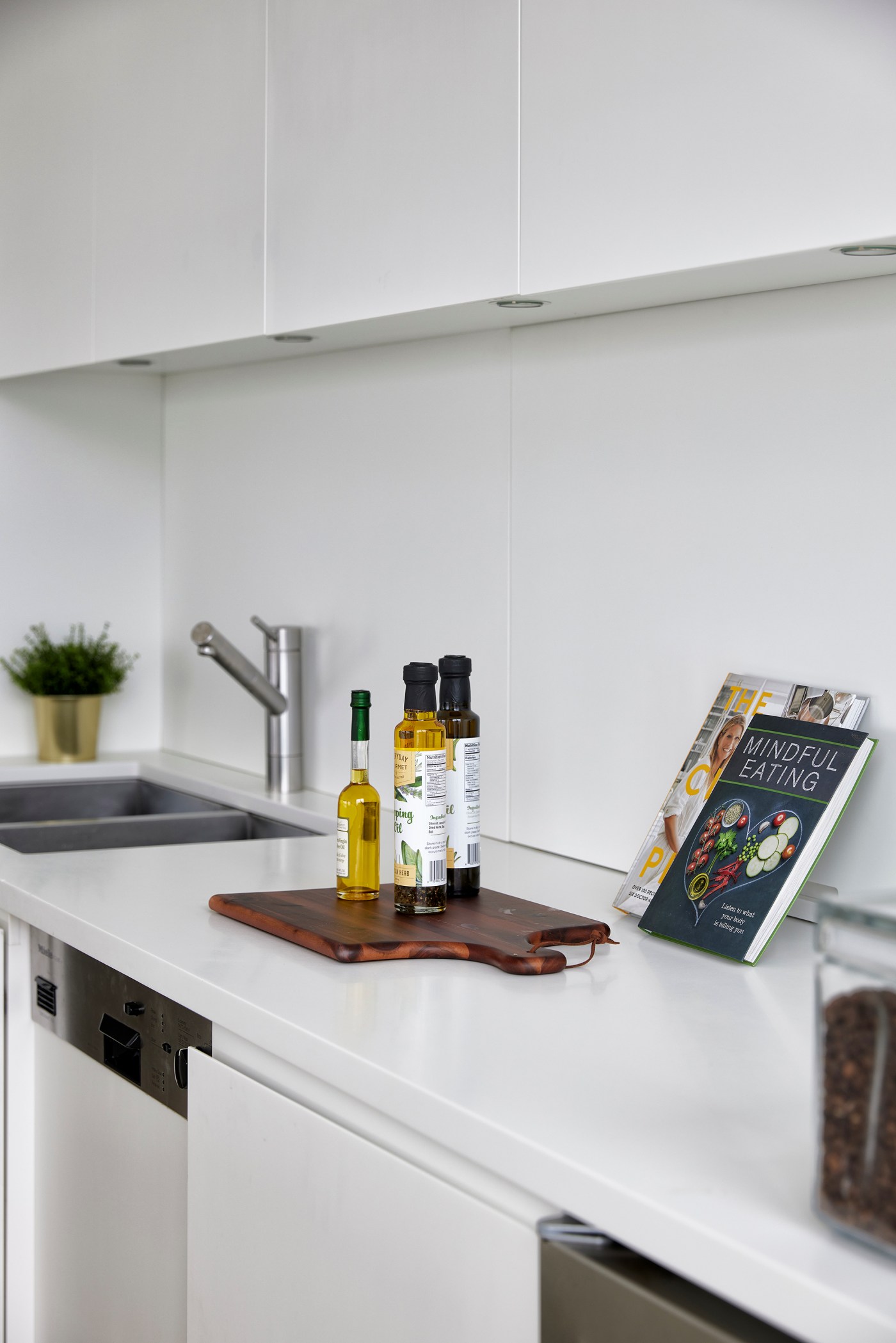
Spices and oils. Use these items on a decorative tray or cutting board, paired with a stack of cookbooks.
Food items such as whole coffee beans can be placed with coffee mugs or jars of pasta work beautifully in kitchens with open shelving.
Cathy Hobbs is the owner of Cathy Hobbs Design Recipes, a home staging company based in New York City (www.cathyhobbs.com). She is also the owner of Highland Passive House, a Home Staging + Design Center based in New York’s Hudson Valley (www.highlandpassivehouse.com). Cathy’s practical, how-to design advice can also be found in her book, “Home Design Recipes.”
Open shelving with various food decor elements. (Cathy Hobbs Design Recipes/TNS)
A bowl of lemons is placed on a countertop, adding color and texture. (Cathy Hobbs Design Recipes/TNS)
Decorative food elements placed together creates an attractive grouping. (Scott Gabriel Morris/Cathy Hobbs Design Recipes/TNS)

More Stories
Chemify secures £22m public backing for £89.9m Glasgow expansion
Glasgow-based digital chemistry company Chemify has secured £22m of public funding towards an £89.9m expansion that it says will create...
Three directors fined in first identity verification prosecutions
Three company directors have been fined in the first prosecutions brought by the Insolvency Service for failing to comply with...
Nine in 10 UK manufacturers use automation to manage disruption
Almost nine in 10 UK manufacturers are using automation of robotics, operations and storage to manage business disruption and demand...
Treat defence spending as industrial strategy like Canada, Healey told
The Chancellor, John Healey, should use Canada as a guide when setting defence spending policy in the Autumn Budget, according...
Liverpool leads UK cities with 6 per cent of old phone lines left
Liverpool has the smallest share of legacy phone lines still to be upgraded of any of the UK’s 10 largest...
Jools Oliver sells Little Bird childrenswear label to Next for £2.3m
Jools Oliver has sold her children’s clothing brand, Little Bird, to the high street retailer Next for £2.3m, according to...