
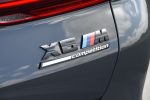
BMW M Competition Is Going Away, But The Spirit Isn’t

BMW is quietly reshaping the M playbook. If you’ve been eyeing recent M cars and wondering where the word Competition went, you’re not imagining things. The brand is phasing out the separate Competition trim because most buyers were already choosing it. Instead of building two nearly identical versions of the same car, BMW will make the hotter spec the default.
Frank van Meel, the head of BMW M, put it simply in a recent chat with BMW Blog. He said, “More than 80 percent of our customers went straight for the Competition.” When that many people pick the same flavor, it stops making sense to keep two flavors on the menu. So BMW is streamlining, and the implications are bigger than a badging change.
Here is what this means in the showroom. Moving forward, the core M car will roll out with the power and hardware that were traditionally bundled into Competition models. Think stronger output, broader grip and the features enthusiasts expect without having to check an extra box. Above that, BMW will sharpen the ladder with CS and CSL variants focused on cutting weight, dialing in chassis precision and turning track days into personal bests.
In the short term there is a split personality across the lineup, which is why some 2026 models still show a Competition option and some do not. The M3 and M4, for example, continue to offer a Competition configuration that brings standard xDrive all wheel drive and a power bump of 20 hp. Output climbs from 503 hp to 523 hp, giving the cars a wider performance envelope in all conditions. The X5 M retains a Competition rating as well, landing at 617 hp for 2026. Those choices reflect carryover packaging while BMW transitions to the simpler structure.
On the other side of the ledger, the updated M2 and the upcoming M5 for 2026 skip a Competition badge altogether. That does not mean they are dialed back. It means the package you will buy as the default M is already the specification that used to wear the Competition name. As the brand realigns more models, look for the lineup to settle into three clear rungs that are easy to understand and easier to stock on dealer lots.
There is logic behind the move beyond marketing. First, it reduces complexity. Fewer permutations help BMW build cars faster, forecast parts more accurately and keep configurations consistent across regions. Second, it cleans up the value equation for customers. You get the performance tune most people want without paying extra for what feels essential on an M car. Third, it creates real distance for the CS and CSL badges, which have occasionally been overshadowed by the sheer popularity of Competition models. With the middle ground becoming the standard, CS and CSL can push further into lightweight materials, focused suspension setups and limited production storytelling that resonates with collectors.
Enthusiasts might ask what is lost in the shuffle. The honest answer is not much. The core character of modern M cars is defined less by a badge and more by calibration, and BMW can still tailor gear ratios, steering feel, damper logic and exhaust tuning within a single trim. If anything, the shift could invite more purposeful option packages. Imagine a chassis pack that leans toward track use, a touring pack that trims noise over long highway slogs or a winter pack that pairs performance tires with a dedicated cold weather setup. Simplify the base, specialize the add ons and you end up with cars that are easier to buy and still fun to personalize.
There is also a branding benefit. Competition once served as shorthand for more power and a more serious attitude, but when nearly everyone ordered it, the word lost exclusivity. Making that spec the baseline resets expectations. Now when you see CS or CSL, you know those cars are a step beyond the everyday and built with a more obsessive brief. That clarity matters in a crowded performance market where badges need to tell a clear story.
If you are shopping today, it is worth reading the window sticker closely as BMW phases the change. On M3 and M4, ticking the Competition box still nets xDrive and the jump to 523 hp for 2026. On X5 M, the Competition number remains 617 hp. On M2 and the incoming M5, you will not find a Competition option because the spirit of Competition is already baked in. Over the next product cycles, expect that consistency to spread across the entire M family.

More Stories
Foxwell NT710: A Practical Diagnostic Tool for Overland & Off-Road Trips
1. When a Warning Light Interrupts a Remote Trail Imagine driving your vehicle along a remote off-road trail. After crossing...
2027 Dodge Durango Invoice Price, Dealer Cost, and What You Should Pay Near You
The 2027 Dodge Durango returns as a fully revised lineup with one significant structural change: the 3.6-liter Pentastar V-6 is...
GM Unveils Major AI and Self-Driving Technology Plans Alongside Next-Generation EV Platform at GM Forward 2026
What if your next Chevrolet Silverado or Cadillac Escalade could get smarter with age, anticipate maintenance problems before they happen,...
Alfa Romeo Giulia Quadrifoglio Roadster Could Become a Stunning One-Off Italian Supercar with 505 Horsepower
What happens when an Italian coachbuilder takes one of the most beautiful sport sedans of the modern era and decides...
BMW Introduces New 3D Navigation System That Combines Maps and Driver Assistance for Smarter Driving
Ever wonder exactly what your car sees when its advanced driver assistance systems are working behind the scenes? BMW is...
Jason Cammisa Tests the Ferrari 12Cilindri Manuale and Finds Out if a Simulated Manual Can Feel Like the Real Thing
Can a Ferrari with a fake manual transmission actually deliver the same excitement as the real thing? That’s a question...