
Fragile ceasefire appears to hold between Iran and Israel

DUBAI, United Arab Emirates — A fragile ceasefire between Iran and Israel appeared to hold Tuesday after initially faltering, and U.S. President Donald Trump expressed frustration with both sides, saying they had fought “for so long and so hard” that they do not know what they are doing.
But even as Israeli Prime Minister Benjamin Netanyahu claimed that Israel had brought Iran’s nuclear program “to ruin,” a new U.S. intelligence report found that the program has been set back only a few months after U.S. strikes over the weekend, according to two people familiar with the assessment.
The early report issued Monday by the Defense Intelligence Agency was described by two people familiar with it. They were not authorized to address the matter publicly and spoke on condition of anonymity.
The report also contradicts statements from Trump, who has said the Iranian nuclear program was “completely and fully obliterated.” The White House called the assessment “flat-out wrong.”
After the truce was supposed to take effect, Israel accused Iran of launching missiles into its airspace, and the Israeli finance minister vowed that “Tehran will tremble.”
The Iranian military denied firing on Israel, state media reported, but explosions boomed and sirens sounded across northern Israel in the morning, and an Israeli military official said two Iranian missiles were intercepted.
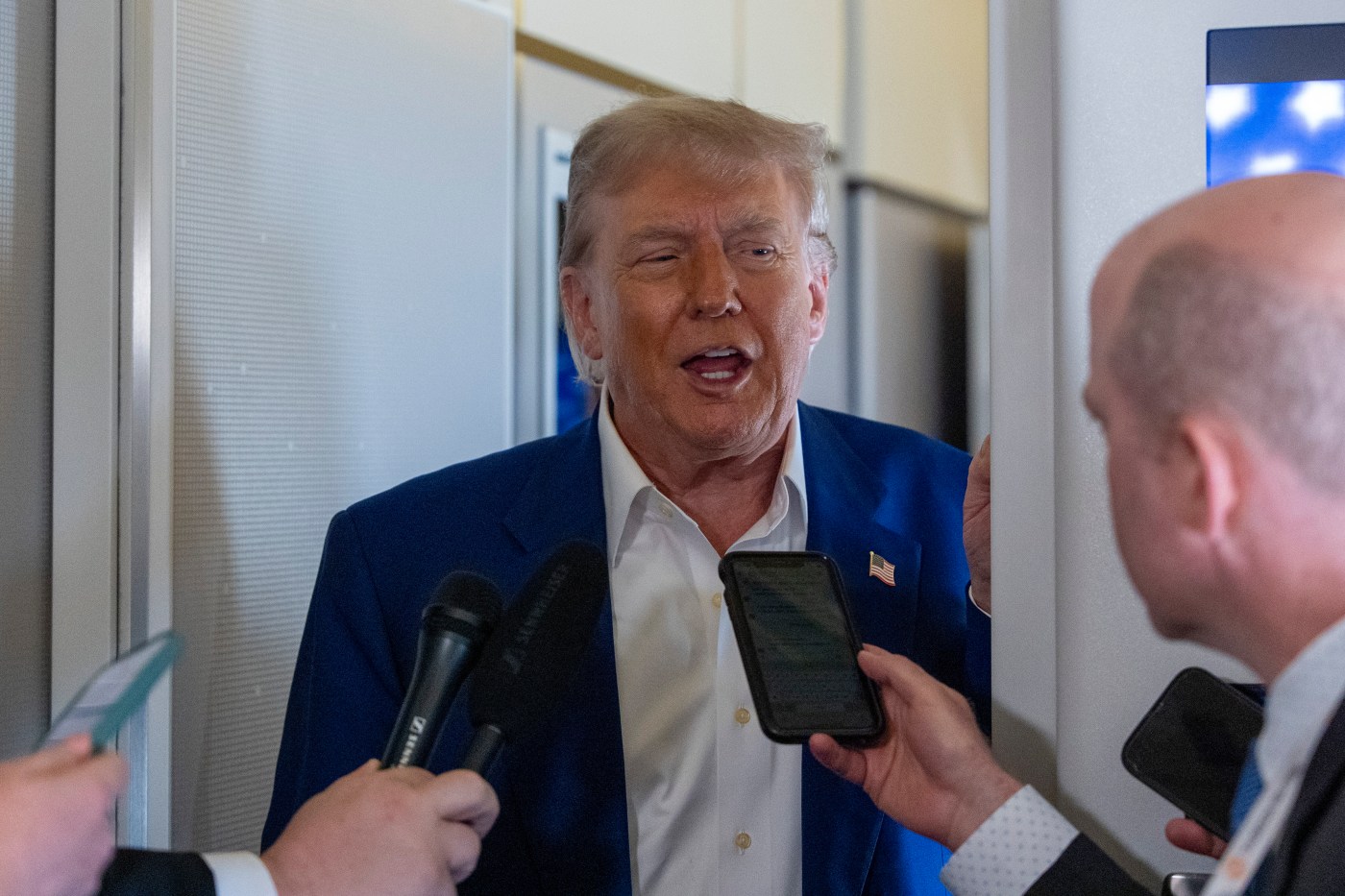
Trump told reporters at the White House before departing for a NATO summit that, in his view, both sides had violated the nascent agreement. He had particularly strong words for Israel, a close ally, while suggesting Iran may have fired on the country by mistake.
But later he said the deal was saved.
“ISRAEL is not going to attack Iran. All planes will turn around and head home, while doing a friendly “Plane Wave” to Iran. Nobody will be hurt, the Ceasefire is in effect!” Trump said in his Truth Social post.
Indeed, Netanyahu’s office said he held off on tougher strikes against Iran after speaking to Trump.
The conflict began with Israel targeting Iranian nuclear and military sites, saying it could not allow Tehran to develop atomic weapons and that it feared the Islamic Republic was close. Iran has long maintained that its program is peaceful.
If the truce holds, it will provide a global sense of relief after the U.S. intervened by dropping bunker-buster bombs on nuclear sites — a move that risked further destabilizing the volatile region.
Trump phoned Netanyahu after the American bombing on Sunday and told him not to expect additional U.S. military attacks and that he should seek a diplomatic solution with Iran, a senior White House official said.
Trump’s position was that the U.S. had removed any imminent threat posed by Iran, according to the official, who was not authorized to comment publicly about sensitive diplomatic talks and spoke on condition of anonymity.
Israel followed up the U.S. air attacks by expanding the kinds of targets it was hitting.
After Tehran launched a limited retaliatory strike Monday on a U.S. military base in Qatar, Trump announced the ceasefire.


More Stories
Prox Digital Agency Crosses $20M in Client Revenue and Launches a Community Built on One Idea: Growth for People, Not People for Growth
Prox Digital Agency a global digital growth partner, today announced it has helped generate more than $20 million in revenue...
IMF says UK tax burden is rising faster than any other Western economy
Britain’s tax burden is rising faster than in any other Western economy, according to forecasts from the International Monetary Fund...
Royal Mail losing almost 400 postmen a week, CWU claims
Royal Mail is losing almost 400 postmen a week, the Communication Workers Union claimed today, as it warned that the...
Retail bosses warn Healey that tax rises on shops will push up prices
Retail bosses were set to warn John Healey at a Downing Street summit yesterday that further tax rises on shops...
Healey to make online marketplaces collect sellers’ VAT, report says
John Healey is preparing to use his first budget to make online marketplaces such as Amazon and eBay collect the...
Reynolds says EU pressure will not decide UK tariffs on Chinese cars
Business secretary Jonathan Reynolds has said the UK will not change its trade rules because of pressure from Brussels, despite...