
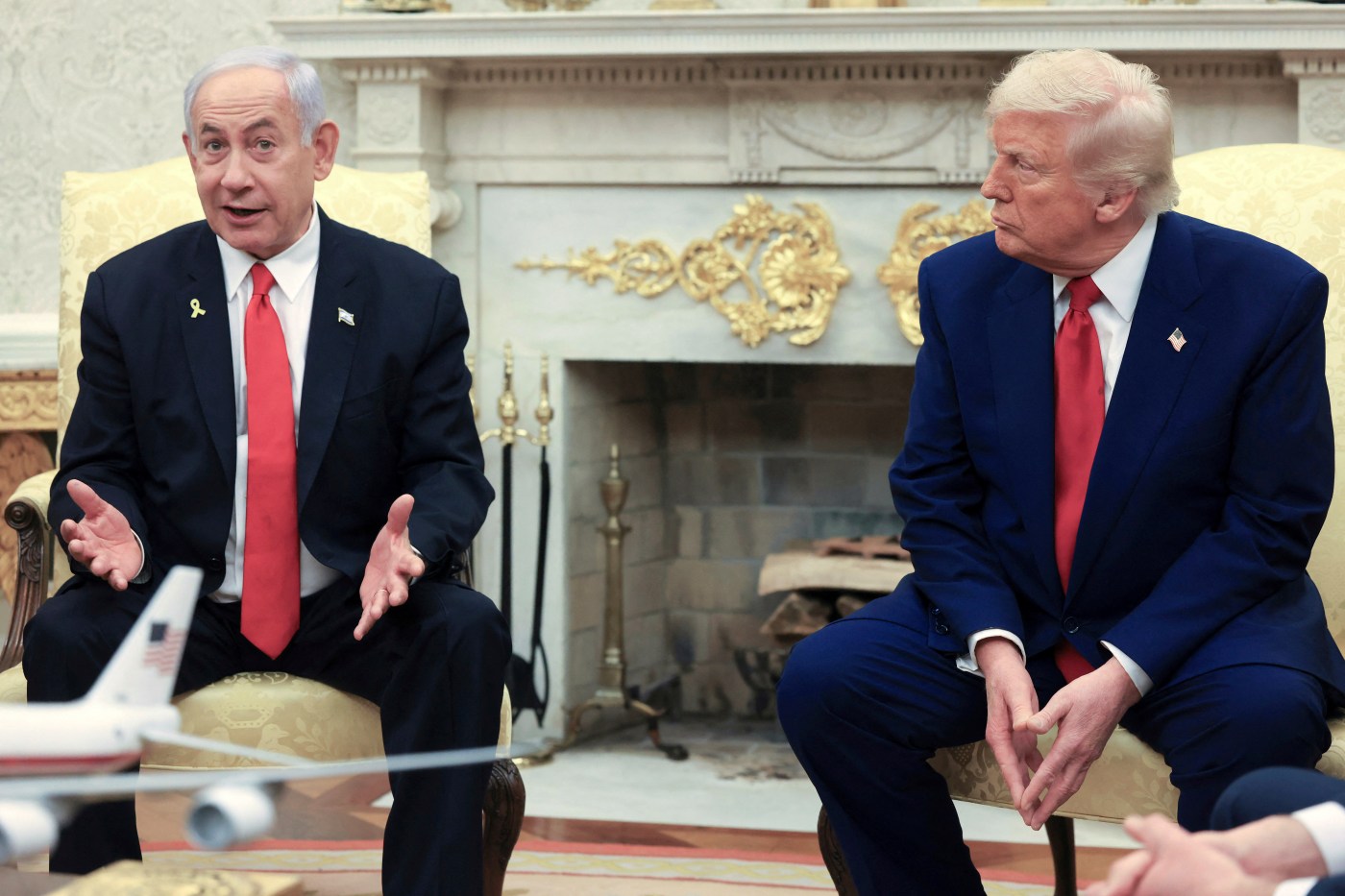
Hernandez: U.S.-Israeli free trade a win for both

The United States and Israel have one of the most durable trade relationships in the world. The United States-Israel Free Trade Agreement, established in 1985, was the first free trade agreement entered into by the United States and generates billions of dollars in Israeli investment in the U.S. economy annually. The U.S. exported almost $15 billion of goods to Israel last year.
This robust economic relationship is why President Trump’s proposal to apply a 17% tariff on American trade with Israel caught many off guard, especially after Israel promised to eliminate all its remaining trade duties on American imports before the new tariff was even applied.
Israel is a high-tech giant in the global top five for research and development, technology education, and patents. In 2023, 70% of Israel’s tech exports were software services. Much of the rest of the trade structure is in advanced technologies critical to both nations’ militaries. Silicon Valley is one of the most significant investors in Israeli startups because of its proven track record in developing life-saving security innovations. Google’s parent company made its largest acquisition when it acquired an Israeli cybersecurity unicorn for $32 billion in cash.
Collaboration with Israel on military technology is a congressional priority. A perfect example of this collaboration is the Iron Dome, a missile-defense system with a 90% interception rate within its operating parameters.
At its core, the U.S.-Israel strategic partnership recognizes that economic imperatives cannot be separated from the security realm. Our mutual enemies know this and target both aspects of US-Israel cooperation. Anti-Israel forces have a long-running strategy called Boycott, Divestment, and Sanctions, which calls for governments, universities and corporations to engage in forms of economic warfare against Israel. The goal of BDS is not the creation of a Palestinian state or any other policy concession, but the destruction of Israel. As the Anti-Defamation League puts it, BDS “doesn’t seek to create a Palestinian state but rather aims to dismantle the Jewish state and end the right to Jewish national self-determination.”
The United States has a long-term interest in defeating these efforts and ensuring that Israel maintains its qualitative military and strategic edge, which includes its economic security. However, 17% tariffs could cost the small Israeli economy $2 billion to $3 billion annually.
What is called for is a new economic model that recognizes America’s trade deficits but considers just how valuable this relationship is to the security and well-being of America.
The United States should develop a new sort of “most favored nation” trading relationship with this critical partner — one that lowers tariffs that might harm both sides to the gain of our enemies, in favor of a more balanced partnership that strengthens both powers in a dangerous world.
Alma Hernandez is a Democratic state representative from Arizona and a first-generation Mexican-American Jew

More Stories
Why Corporate Video Production Matters More Than Ever for UK Businesses
The challenge is no longer simply whether to use video, but how to create content that feels credible, supports a...
How Gambling Affiliates Can Make Trust Part of the Business Model
For publishers and gambling businesses, the challenge is to make that relationship clear without losing the useful analysis that brought...
Getting to know you: Oliver Corrigan, managing director, WorkWell
Oliver Corrigan is the founder and managing director of WorkWell, a Yorkshire provider of serviced offices, co-working space, meeting rooms...
Getting to know you: Stefano Maifreni, founder, Eggcelerate
Stefano Maifreni is the founder and director of Eggcelerate, a London-based practice that acts as a fractional COO and CCO...
Simple Steps To Take To Make Your Business Premises More Appealing To Customers
A neglected entrance, dirty windows, or a poorly maintained exterior can make even a successful business appear less professional than...
Britain should scrutinise Gulf capital, not squander it
That ‘twitch’ became evident for the second time in a month this week, this time over the United Arab Emirates’...