
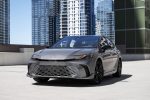
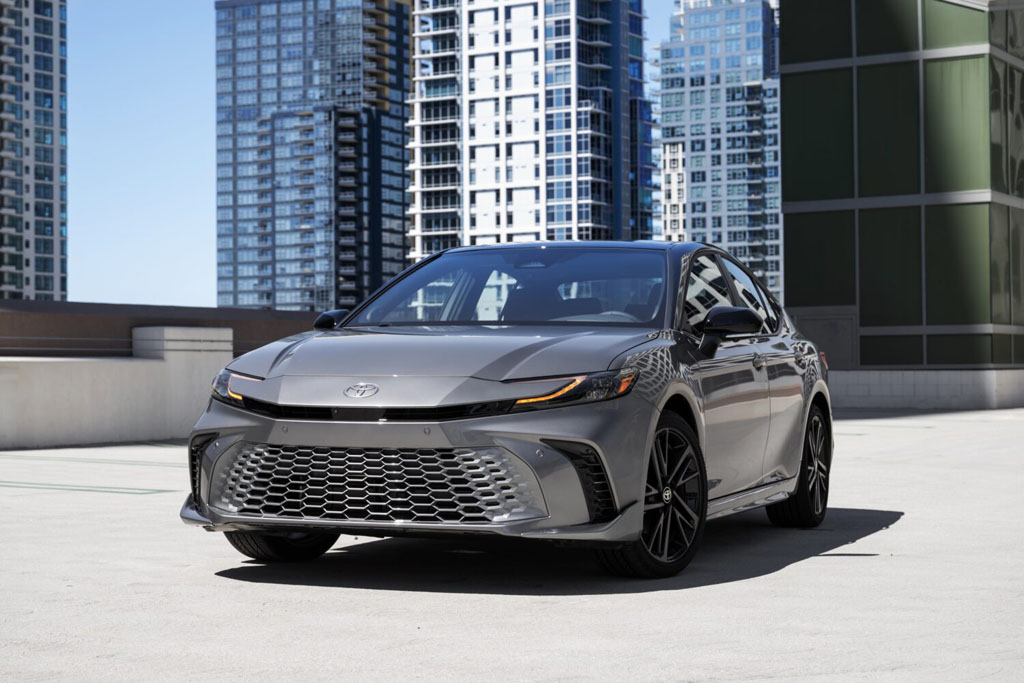
2026 Toyota Camry XSE FWD Review & Test Drive

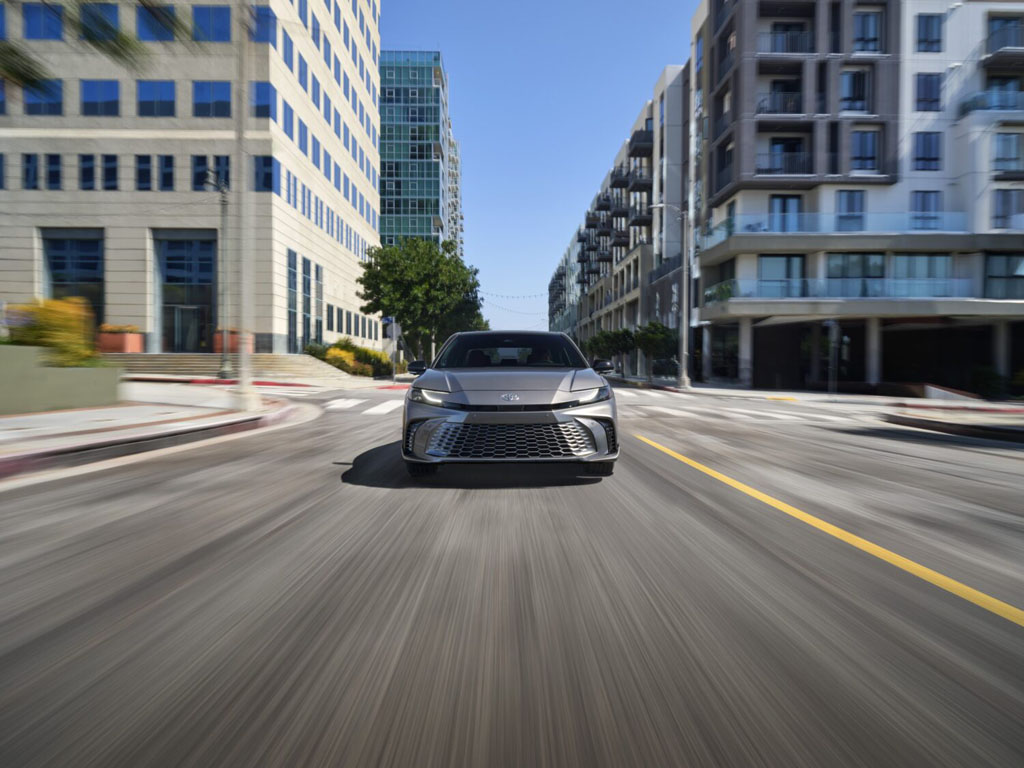
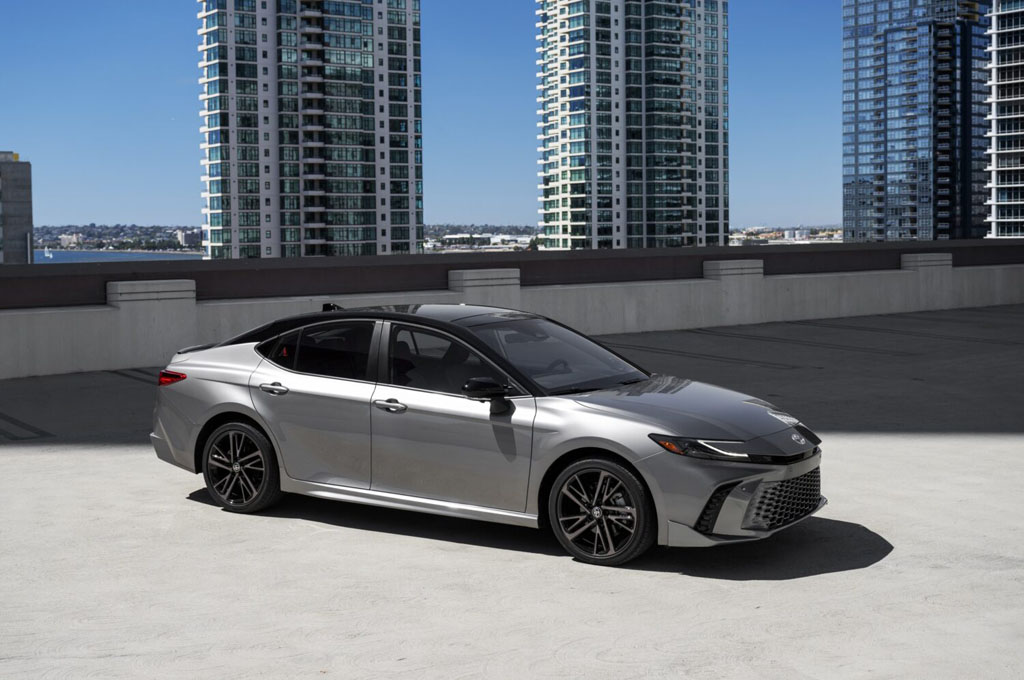
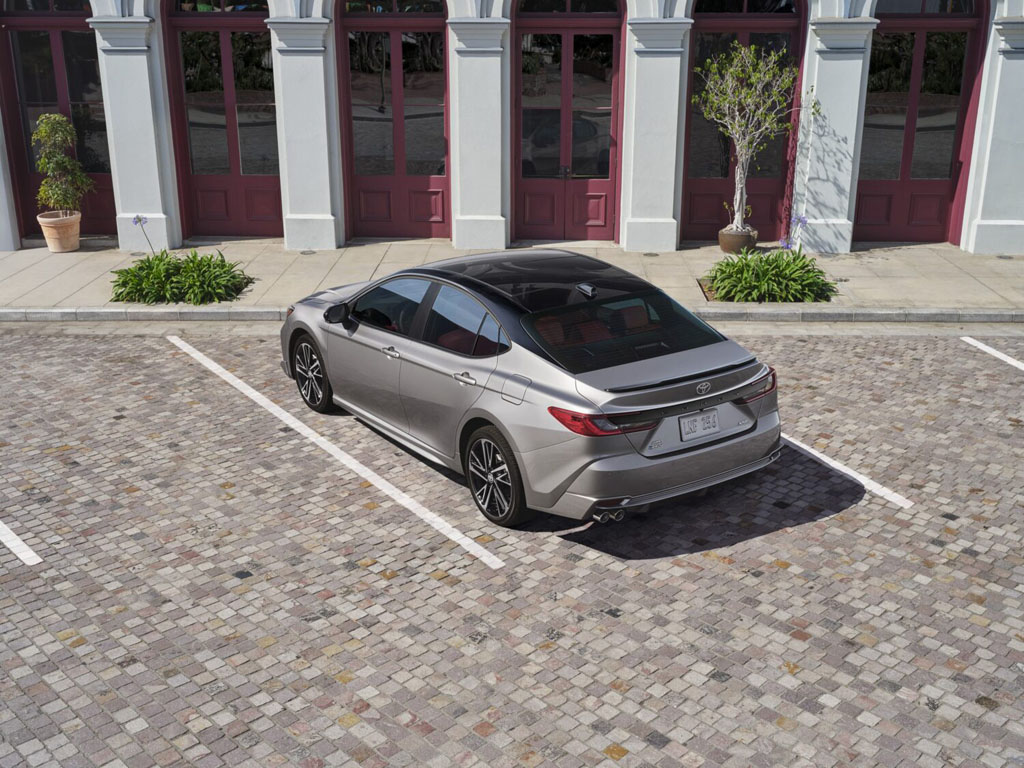
Marking another year into the ninth-generation redesign from the 2025 model year, the 2026 Toyota Camry XSE FWD continues to prove that the mainstream midsize sedan is far from dead. If anything, Toyota has sharpened the Camry’s purpose even more by fully committing it to hybrid power while keeping its familiar formula intact. After spending time with the 2025 Camry XSE AWD last year, stepping into a 2026 front-wheel-drive XSE felt immediately familiar, which is a good thing. Toyota did not need to reinvent the wheel here. Instead, it simply kept building on a package that already works exceptionally well in the real world.
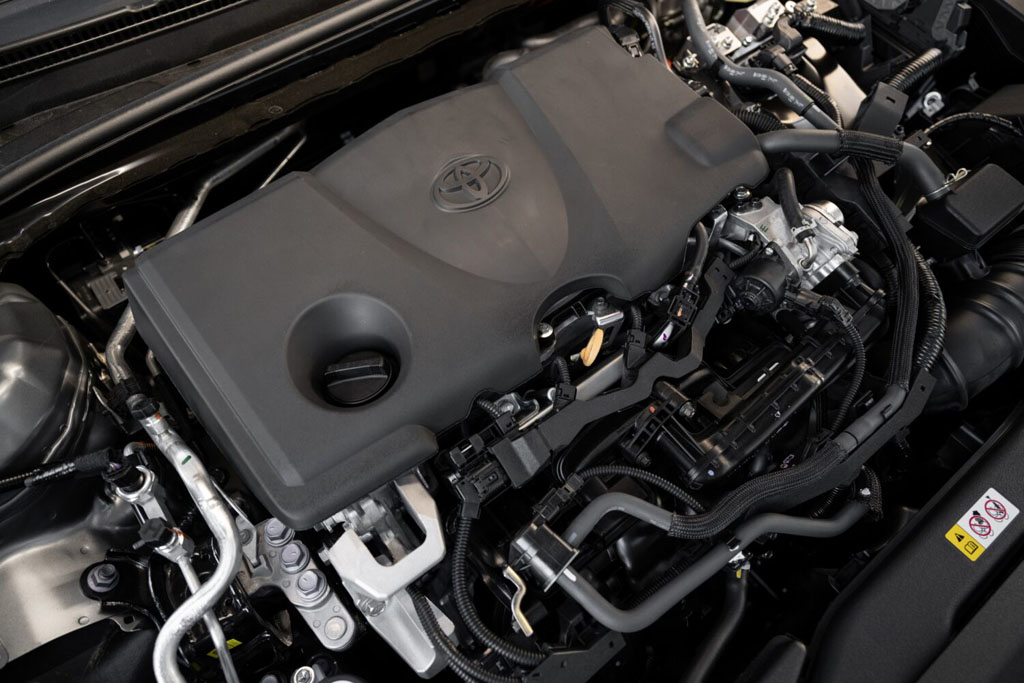
The biggest distinction this time around is the drivetrain. In front-wheel-drive form, the Camry XSE uses the same 2.5-liter 4-cylinder hybrid setup, but total system output comes in at 225 horsepower instead of the 232 horsepower found in the all-wheel-drive version. Toyota still does not quote a torque figure, but out on the road, that missing number hardly matters. The Camry XSE FWD has enough punch to feel responsive from a stop, and the hybrid system delivers its power in a smooth, confident manner that never feels strained. From my testing, the 0 to 60 mph run comes in at right around 7 seconds, which is more than respectable for a fuel-conscious midsize sedan. I want to say that I don’t miss the optional V6 engine once available in the previous generation Camry, but I would be telling a story. However, the hybrid powertrain does do well to combine some decent performance and add in the remarkable efficiency and ease of usability of Toyota’s refined hybrid setups.
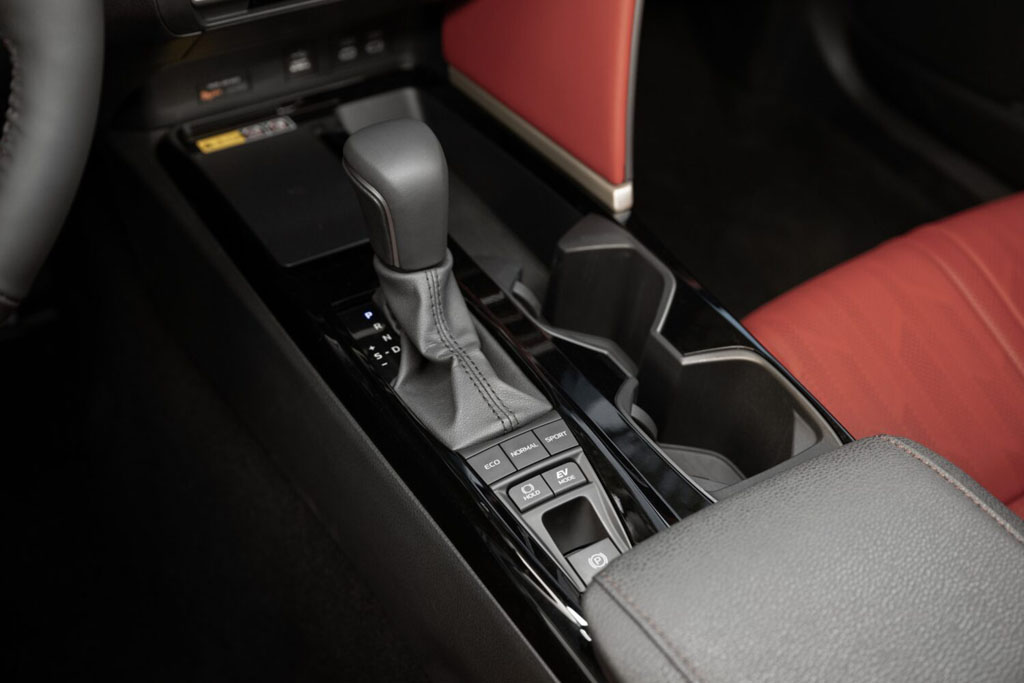
What stands out most is how seamless the whole experience remains. The transition between electric assist and the gas engine is clean, the eCVT (Continuously Variable Transmission) does well to keep things composed, and the regenerative braking blends in without the awkwardness that still shows up in some hybrid rivals. Like the all-wheel-drive version I previously reviewed, this front-wheel-drive XSE manages to feel surprisingly settled on the road. It may give up a little extra traction off the line compared to the AWD setup, but it also feels a touch lighter on its feet, and that works nicely with the XSE’s sport-tuned suspension.
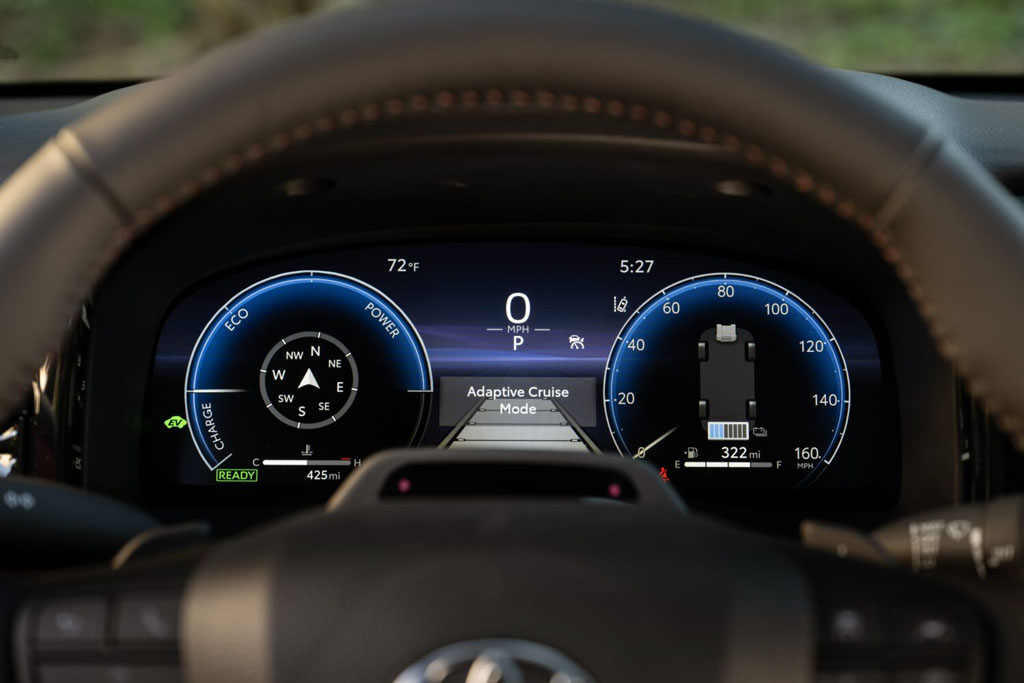
Continuing the stand out part of the new Camry is is fuel effienceny, which as a hybrid is mostly stellar. 47 mpg city, 45 mpg highway, and 46 mpg combined for the EPA estimates are easily attainable numbers and ones that you may surpass if you monitor your driving style utilizing the clever power meter that Toyota has always provided in their hybrid vehicles. Doing such you can easily obtain 50 mpg or better around town as the latest hybrid system is very sophisticated and keeps the small battery pack juiced up for those times where the vehicle is under a light load and shuts off the gas engine. Use of the smallish 13-gallon fuel tank full of regular unleaded can get you a highway cruising range nearing 600 miles in the XSE FWD trim.
Toyota still deserves a lot of credit for how well it has refined its hybrid formula. The Camry does not drive like an appliance, and that matters because buyers in this segment are no longer willing to accept a dull personality just because a car returns good fuel economy. The XSE trim, in particular, adds enough athletic flavor in its steering weight, suspension tuning, and overall road manners to make the Camry feel more buttoned down than many people may expect. At the same time, it never loses sight of its primary mission as a comfortable and easy daily driver.
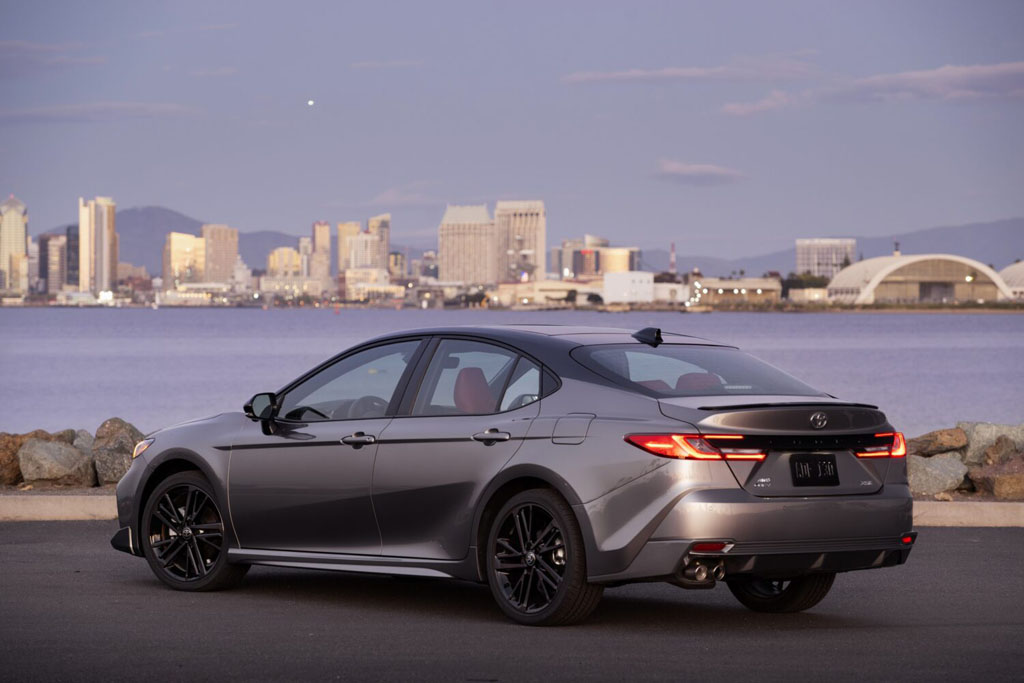
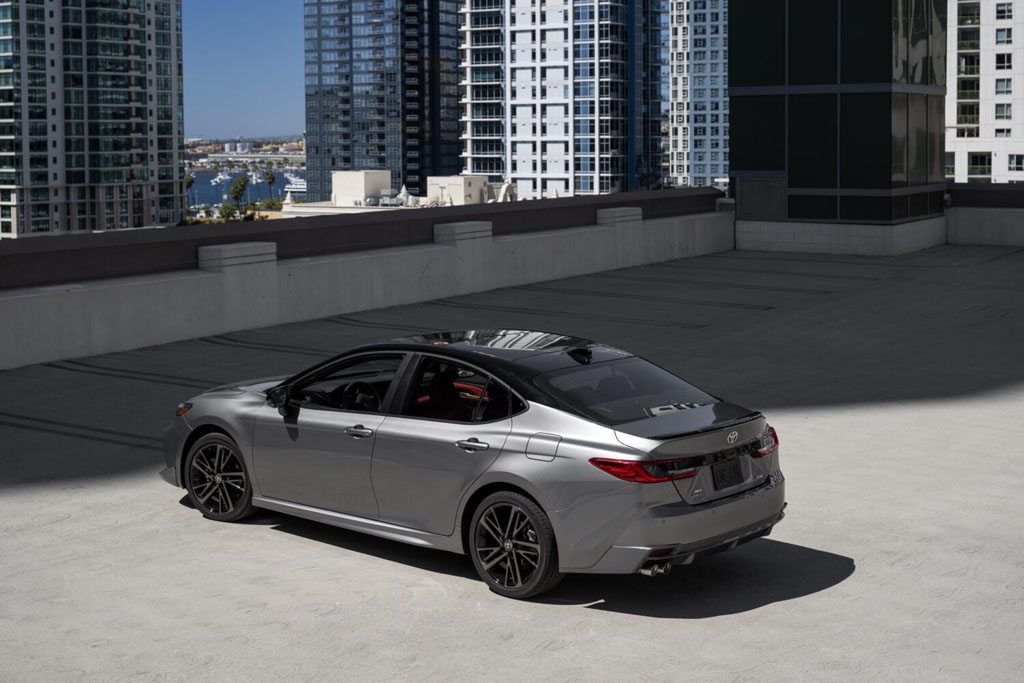
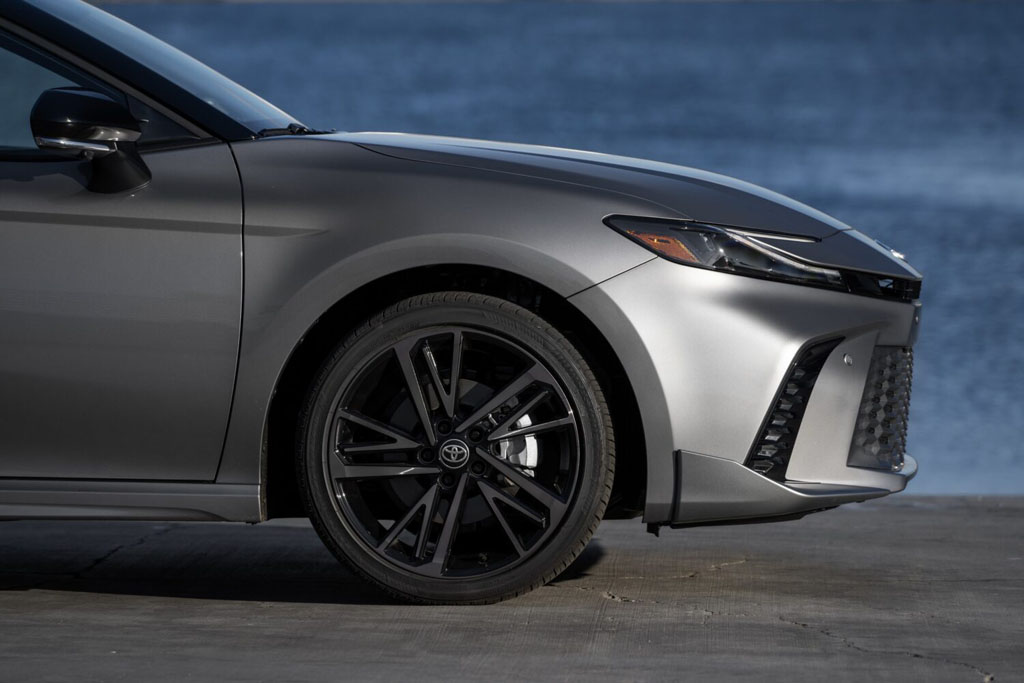
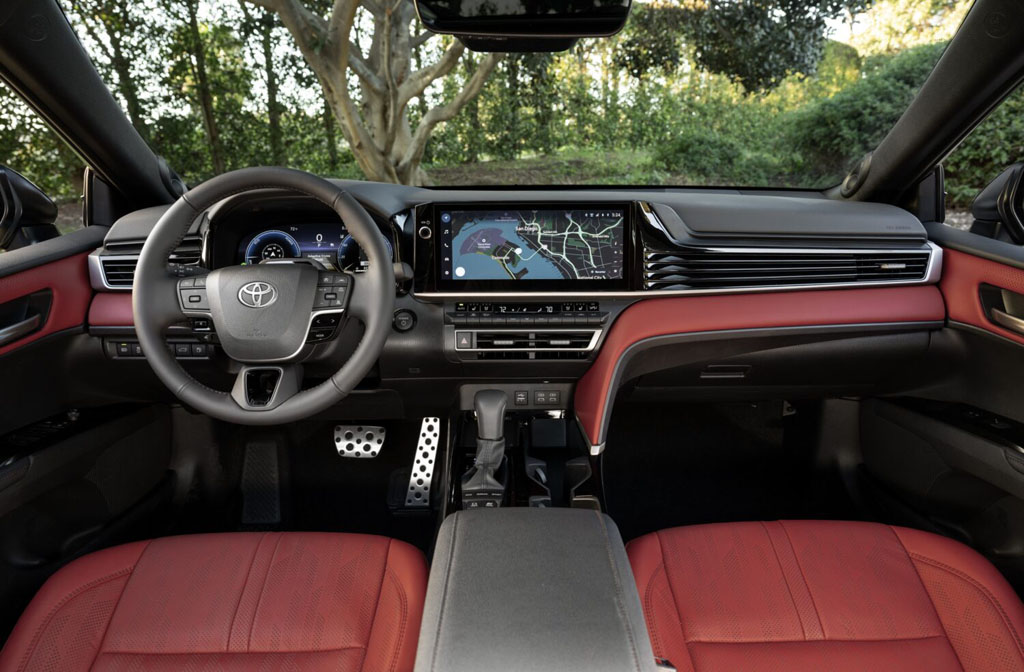
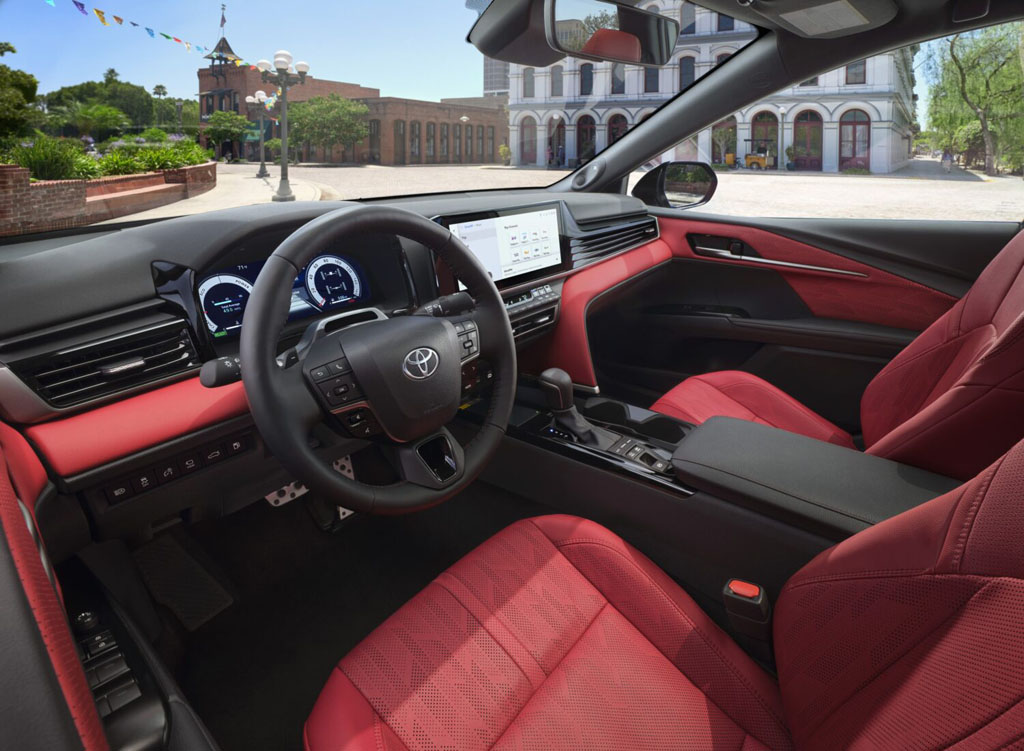
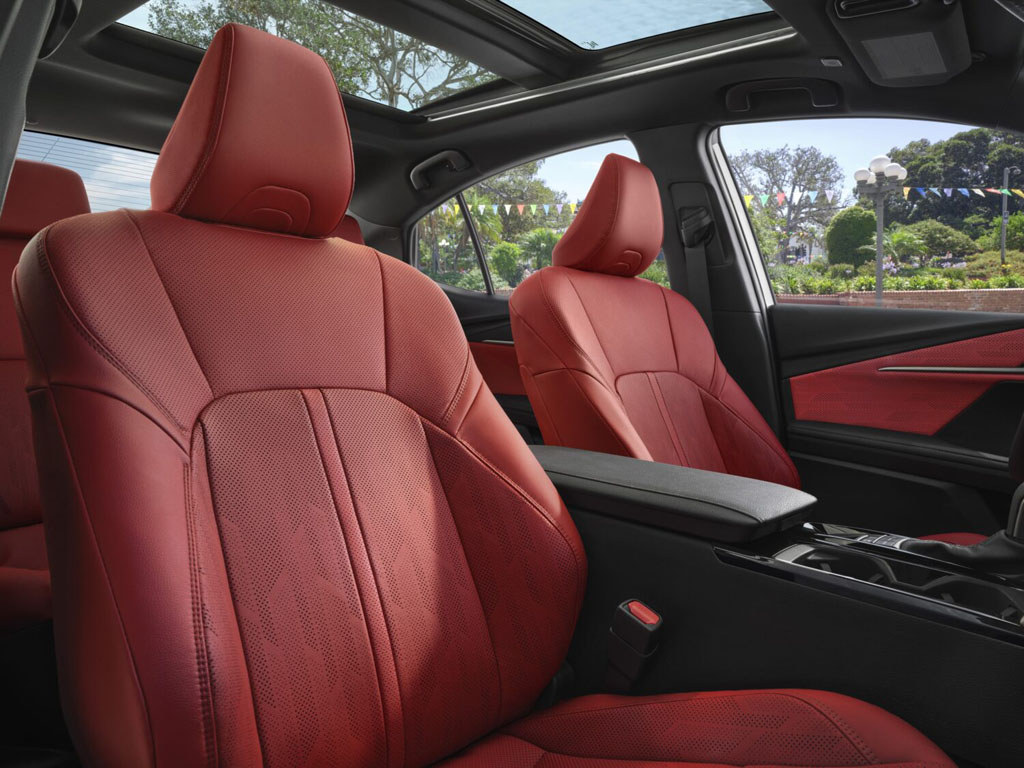
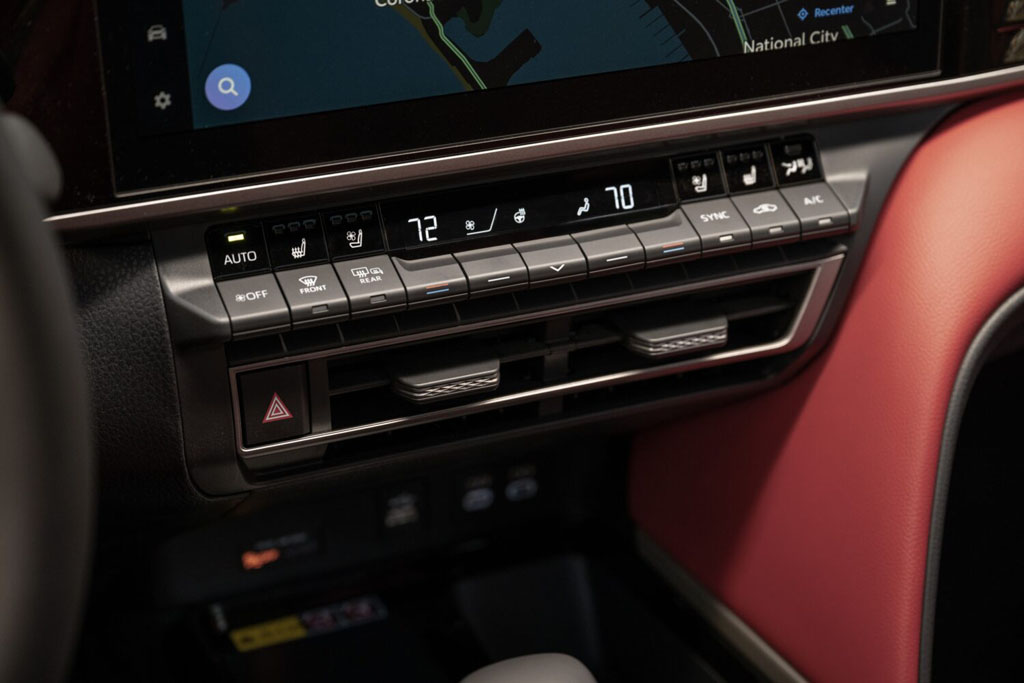
Inside, the Camry XSE remains just as agreeable as before, which means Toyota wisely avoided overcomplicating things. The layout is clean, the available 12.3-inch infotainment touchscreen is still easy to use, and there are thankfully enough physical controls where they matter most. My 2026 tester stood out a bit more than the previous one thanks to its Dark Cosmos exterior paint, a color that gives the Camry a richer and more upscale presence without trying too hard. Paired with the red leather seats, the overall look adds some much-needed flair to a sedan that already has a more expressive design than past Camrys.
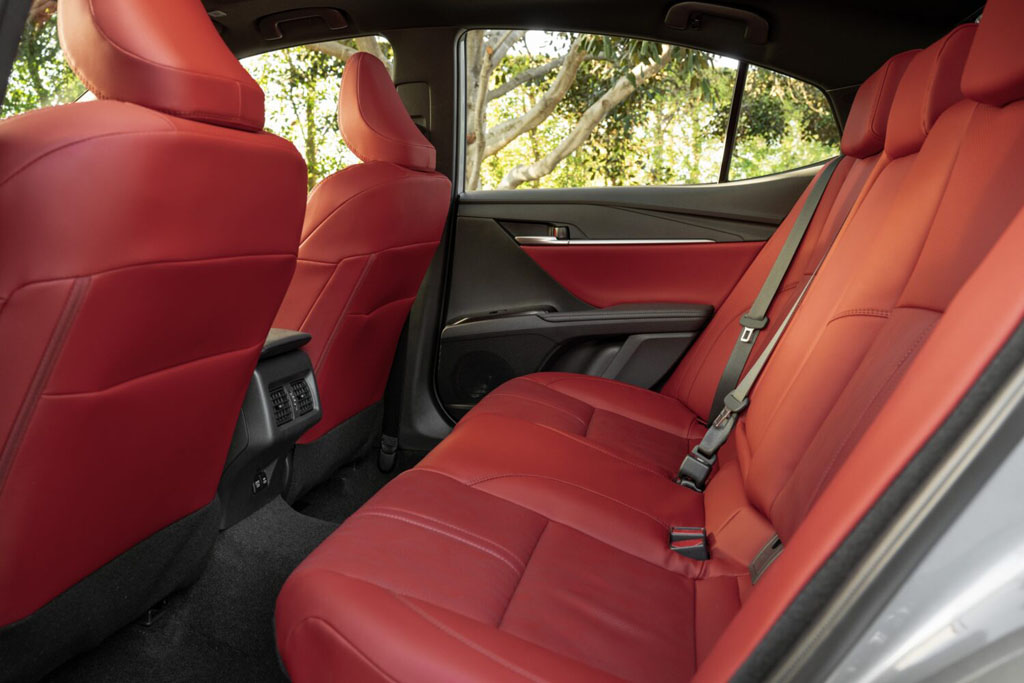
That red leather interior goes a long way in elevating the cabin experience. It gives the XSE a sporty edge without making things feel juvenile, and it works well with the rest of the trim’s premium touches. There is still a straightforward Toyota sensibility to everything, which means the Camry avoids pretending to be something it is not. It is not a luxury sedan, and it does not need to be. What it does offer is a smart balance of comfort, usable tech, solid materials, and enough style to keep things interesting for those who spend a lot of time behind the wheel.
Feature content remains one of the Camry’s strengths, especially in XSE trim. Depending on equipment, you can still get the head-up display, JBL audio system, panoramic glass roof, ventilated front seats, panoramic view monitor, and Toyota’s latest suite of active safety and driver assistance features. More importantly, none of it gets in the way of the car’s ease of use. That has always been one of Toyota’s strongest traits, and the Camry continues to benefit from that methodical approach.
Pricing for my 2026 Toyota Camry XSE FWD test vehicle starts at $35,200, with the as-tested total landing at $41,949. That is hardly inexpensive in the context of what midsize sedans used to cost, but the Camry backs it up with a polished hybrid powertrain, a genuinely well-rounded driving character, and the kind of long-term confidence Toyota has built its reputation on. In front-wheel-drive XSE form, the 2026 Camry loses a little power compared to the AWD version, but it still feels complete, refined, and surprisingly enjoyable. In many ways, it continues to set the benchmark for what a mainstream midsize sedan should be today.
More Stories
2026 Ram 1500 America250 Editions Turn Big Horn, Laramie, and Rebel Into Patriotic Special Trucks
Ram is leaning hard into Americana for the 2026 model year with a new batch of special-edition 1500 pickups created...
Wrongful Death After a Car Accident: Legal Rights of the Family
Car accidents have a devastating impact on one’s life. Even if you drive carefully, you have little control over other...
The Next Toyota Celica Rumored to Return as a Hybrid AWD Coupe
Toyota’s long-rumored Celica revival is starting to sound a lot more real, and a lot more modern, than many enthusiasts...
Hyundai Confirms New Tucson and Elantra Are Coming as More Products Fill Out the Pipeline
Hyundai has officially confirmed that all-new versions of the Tucson and Elantra will be revealed later this year, signaling that...
Serbia February 2026: Skoda monopolises Top 4, places 6 models in Top 9
The Skoda Karoq ranks #3 in Serbia in February. According to local consultancy CE Auto, new car sales in Serbia...
Albania February 2026: BYD Sealion 7 best-seller, 7 BYDs in Top 9
The BYD Sealion 7 is the best-selling car in Albania in February. Our local partner CE Auto shows the Albanian...